Installing an EV Charger at Home: What to Know
Electric vehicles have moved firmly into the mainstream, and more New Hampshire drivers are making the switch every year. With that shift comes a practical question that every new EV owner eventually faces: how and where will you charge your car? While public charging stations are becoming more common, the convenience of charging at home, in your own driveway or garage, overnight while you sleep, is hard to beat. For most EV owners, a home charger quickly becomes an essential part of daily life. But installing one isn’t quite as simple as plugging in a new appliance, and there are several important things to understand before you begin.
At Whiting Electrical Services, we help homeowners throughout Laconia and central New Hampshire add EV charging to their homes safely and correctly. The process involves more than just mounting a charger on the wall; it requires understanding your home’s electrical capacity, choosing the right equipment, following local codes, and ensuring everything is installed by a qualified professional. In this guide, we’ll walk you through what you need to know about installing an EV charger at home so you can charge with confidence.
Why Install a Home EV Charger?
The biggest reason to install a home charger is simple convenience. Rather than planning trips around public charging stations and waiting while your car charges, you can plug in at home and wake up to a full battery every morning. For the vast majority of daily driving, home charging means you rarely, if ever, need to think about finding a public station. It fits seamlessly into your routine, much like charging your phone overnight.
There are financial and practical advantages as well. Charging at home is typically less expensive per mile than using public fast chargers, and a properly installed home charging station can charge your vehicle far faster than simply plugging into a standard household outlet. A dedicated home charger also adds value and appeal to your property, an increasingly attractive feature as electric vehicles continue to grow in popularity. For anyone serious about EV ownership, home charging is less a luxury than a foundation of the experience.
Understanding EV Charging Levels
To choose the right setup, it helps to understand the different levels of EV charging. Level 1 charging uses a standard household outlet, the same 120-volt outlet you’d use for any everyday device. Every electric vehicle comes with a cord that allows Level 1 charging, and while it requires no special installation, it’s also extremely slow, often adding only a few miles of range per hour. For many drivers, Level 1 charging simply can’t keep up with daily use, though it may suffice for plug-in hybrids or very low-mileage drivers.
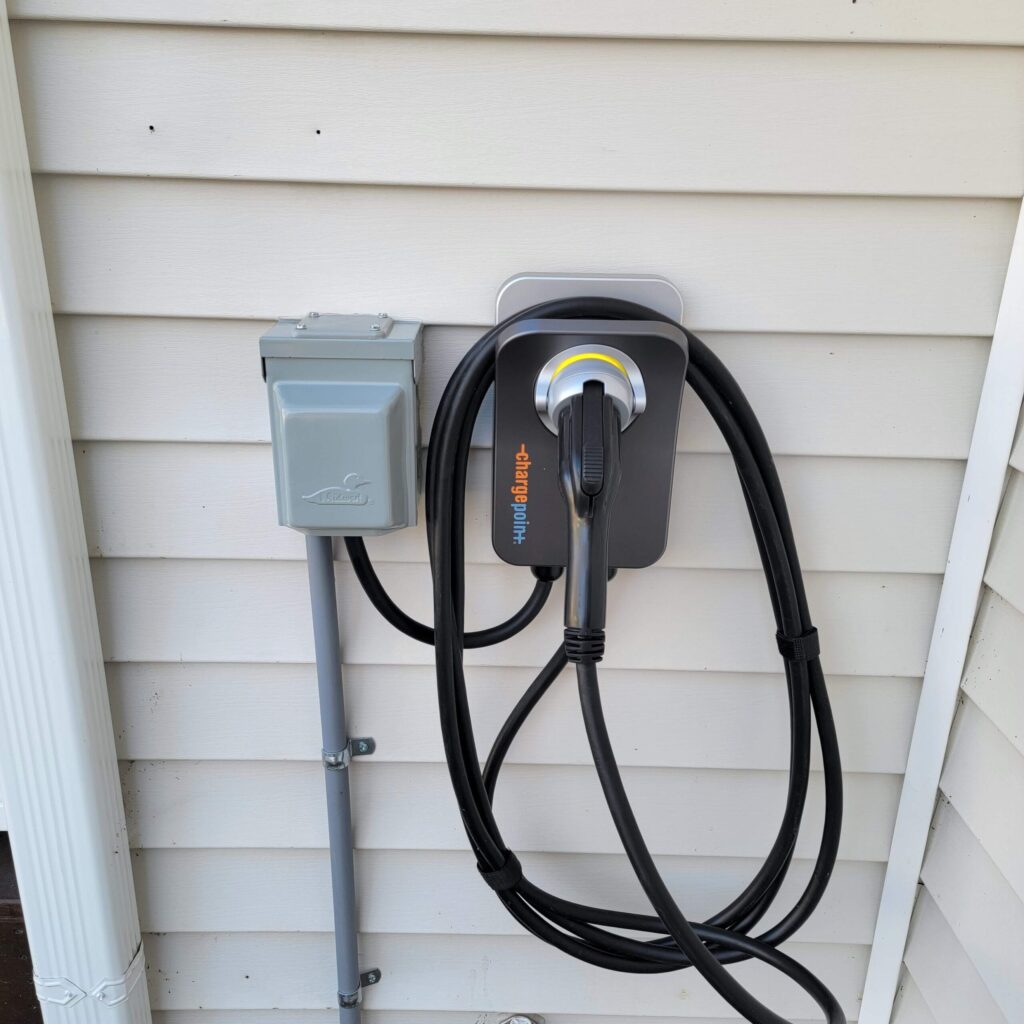
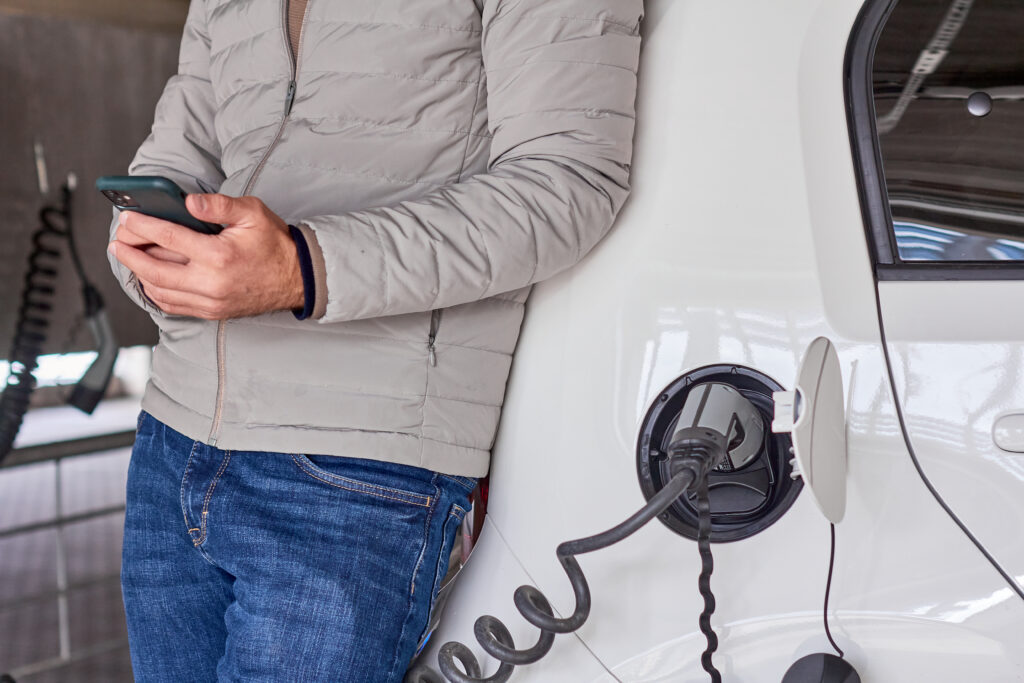
Level 2 charging is what most homeowners want and what this guide focuses on. It uses a 240-volt circuit, the same type of higher-voltage circuit that powers your electric dryer or range, and charges your vehicle many times faster than Level 1, typically replenishing a full day’s worth of driving range in just a few hours. There’s also Level 3, or DC fast charging, but that’s commercial-grade equipment found at public charging stations and is not something installed in a typical home. For residential use, the practical choice is a Level 2 charger.
Why Most Homeowners Choose a Level 2 Charger
A Level 2 charger strikes the ideal balance of speed, convenience, and practicality for home use. Because it charges so much faster than a standard outlet, you can fully recharge your vehicle overnight even after a day of heavy driving, and you’ll never feel constrained by slow charging speeds. This makes a Level 2 setup the right choice for nearly every household with an electric vehicle, particularly those who drive regularly or own a fully electric car rather than a plug-in hybrid.
Installing a Level 2 charger does require dedicated electrical work, since it needs a 240-volt circuit wired specifically for the charger. This is where professional installation and an assessment of your home’s electrical system become essential, because the charger’s power demands have to be supported safely by your existing electrical service.
Assessing Your Home’s Electrical Capacity
One of the most important steps in adding a home EV charger is determining whether your electrical system can handle the additional load. A Level 2 charger draws a significant amount of power, and not every home, especially older homes common throughout the Lakes Region, has the spare capacity to support it without modifications. Your electrical panel has a finite amount of power to distribute, and adding a high-demand circuit for an EV charger may push an older or smaller panel beyond its limits.
This is why a professional electrician will start by evaluating your existing electrical panel and service. If your home has modern, higher-amperage service with available capacity, adding a charger may be straightforward. If your panel is older, already near its limits, or lacks an open slot for a new circuit, you may need to upgrade your panel before or as part of the charger installation. While this adds to the project, it’s far better to discover and address capacity issues up front than to overload your system. An electrician can tell you exactly what your home needs after a proper assessment.
Hardwired vs. Plug-In Chargers
When choosing a Level 2 charger, you’ll encounter two main installation approaches: hardwired and plug-in. A hardwired charger is connected directly and permanently to your home’s electrical system, which can offer a clean, secure, and weather-resistant installation, often preferred for outdoor mounting or for higher-powered units. A plug-in charger, by contrast, connects to a dedicated 240-volt outlet, commonly a NEMA 14-50 outlet similar to what an electric range uses, which allows the unit to be unplugged and removed more easily if needed.
Both approaches are valid, and the right choice depends on your charger, your home, and your preferences. A plug-in setup offers flexibility and can make it easier to replace or relocate the unit, while a hardwired installation can be cleaner and is sometimes required for certain higher-output chargers. An experienced electrician can help you weigh the options and recommend the best approach for your situation, ensuring whichever you choose is installed safely and to code.
Choosing the Right Location
Where you install your charger matters more than you might expect. The most common location is inside a garage, which protects the equipment from the elements and is convenient for daily use. If you park in a driveway or don’t have a garage, an outdoor installation is entirely possible, but it requires equipment rated for outdoor use and careful attention to weatherproofing, which is especially important given New Hampshire’s harsh winters and temperature swings.
You’ll want to position the charger so the cord comfortably reaches your vehicle’s charging port without strain, taking into account where you park and which side of the car the port is on. The location also affects the installation itself, since the distance between your electrical panel and the charger influences the wiring run and the overall complexity of the job. A professional will help you select a location that’s convenient, safe, and efficient to wire.
Permits, Codes, and Inspections
Installing an EV charger is electrical work that is governed by codes and typically requires a permit. This isn’t bureaucratic red tape; it’s an important safeguard that ensures the installation is done safely and correctly. The work must comply with the National Electrical Code as well as any local requirements, and a permitted installation generally includes an inspection that verifies everything meets standards.
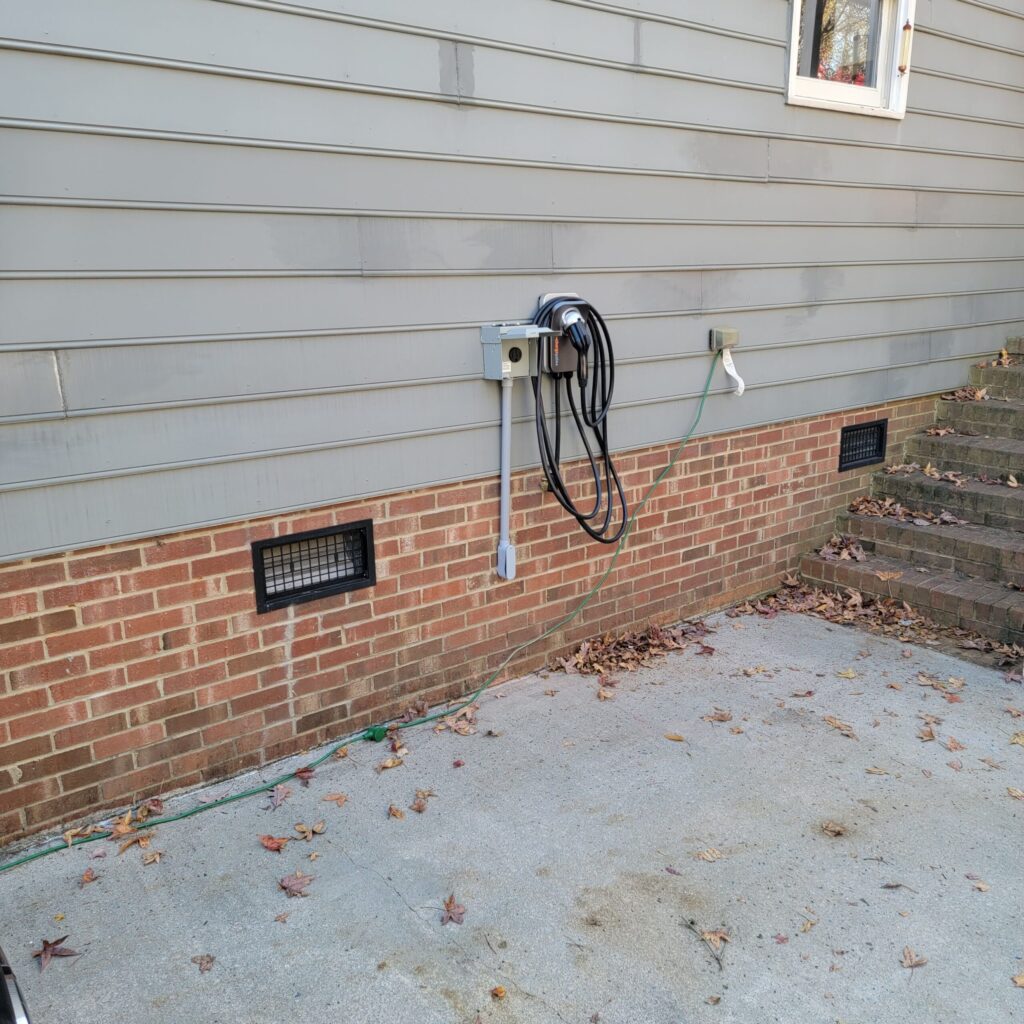
Skipping permits or attempting an unpermitted installation can create safety hazards, cause problems with your homeowners insurance, and lead to complications if you ever sell your home. A reputable electrical contractor will handle the permitting process for you, ensure the work passes inspection, and give you documentation that your charger was installed properly. This peace of mind is one of the clear advantages of professional installation.
Incentives and Rebates Worth Exploring
One pleasant aspect of going electric is that financial incentives are sometimes available to help offset the cost of a home charger and its installation. Depending on the timing and the programs in effect, these can include federal tax incentives, state programs, and utility company rebates designed to encourage EV adoption. Because these programs change over time and vary by location and provider, it’s worth researching what’s currently available in New Hampshire and through your specific electric utility before you install.
A knowledgeable local electrician can often point you toward current incentives and help you understand what documentation you may need to qualify. Taking the time to explore these options before installation can meaningfully reduce your overall cost, so it’s well worth a little research up front.
Why Professional Installation Matters
It can be tempting to treat an EV charger like a simple appliance, but installing one involves high-voltage electrical work that carries real risks if done improperly. A Level 2 charger requires a dedicated 240-volt circuit, proper wire sizing, correct connections, and integration with your electrical panel, all of which must be done in accordance with code to be safe. Mistakes can lead to overloaded circuits, fire hazards, damage to your vehicle or charger, and failed inspections.
A licensed electrician brings the training, tools, and experience to assess your home’s capacity, recommend the right equipment and location, perform any necessary panel upgrades, handle permits and inspections, and install your charger safely and correctly. This ensures your charging setup will serve you reliably for years and that your home and family remain protected. Professional installation isn’t an unnecessary expense; it’s an essential part of doing the job right.
Installing an EV charger at home is one of the best ways to enjoy the full convenience of electric vehicle ownership, but doing it right means understanding your home’s electrical capacity, choosing the appropriate charger and location, following local codes, and relying on professional installation. From assessing your panel to handling permits and ensuring everything is wired safely, each step matters in creating a charging setup you can depend on.
At Whiting Electrical Services, we help homeowners throughout Laconia and central New Hampshire add safe, reliable EV charging to their homes. Whether you’re a new EV owner ready to install your first charger or you’re planning ahead before your vehicle arrives, our experienced, licensed team will guide you through the process and handle every detail with care. Contact Whiting Electrical Services today to schedule a consultation and take the first step toward convenient, worry-free home charging.