
The Homeowners Guide to Pool Pump Wiring and Electrical Safety Codes
A pool pump keeps your water clean, circulating, and safe to swim in all summer long, and the wiring behind it carries serious electrical loads every single day. Pool pump wiring is one of the most heavily regulated parts of any backyard pool, and for very good reason. Water and electricity create a dangerous combination, and faulty wiring near a pool can lead to shock, electrocution, or expensive equipment failure. The National Electrical Code dedicates an entire article to pools, spas, and similar installations because the risks are so high. Many homeowners assume that wiring a pool pump is a simple plug and play job, yet it involves dedicated circuits, ground fault protection, equipotential bonding, and strict distance rules. Getting any one of these details wrong puts your family and your guests at genuine risk. This guide breaks down how pool pump wiring works, the electrical safety codes that govern it, and why licensed work matters so much around water. By the end, you will understand what proper pool pump wiring looks like and how to keep your pool both safe and code compliant through every swim season.
How Pool Pump Wiring Works and Why Electrical Safety Codes Matter
Pool pump wiring delivers steady power to a motor that runs for hours at a time, often in damp, wet, or fully outdoor conditions. That demanding environment is exactly why electrical safety codes treat pool equipment so seriously. A pool pump needs a dedicated circuit, correct conductor sizing, ground fault protection, and a bonding system that ties all the metal parts together. These requirements are not optional extras; they are the baseline that keeps voltage from finding a dangerous path through water or a swimmer. When the wiring follows code, the pump runs reliably and the surrounding area stays safe to touch. When it does not, even a small fault can turn the entire pool into a hazard. Understanding the basics helps you spot problems early and know when to call a professional.
The Basics of Pool Pump Wiring Every Homeowner Should Know
Most residential pool pumps run on either 120 volt or 240 volt single phase power, and the higher voltage option is common for larger pumps that move more water. The pump motor pulls a consistent current while it operates, so it needs a circuit sized specifically for that load rather than a shared household circuit. A dedicated circuit prevents the pump from tripping breakers or overheating wires that are also feeding lights, outlets, or appliances inside your home. The conductors that feed the pump must be rated for outdoor and wet locations, and they usually run through PVC conduit or another approved raceway for protection. Proper conductor size depends on the motor amperage and the distance from the panel, since longer runs require thicker wire to avoid voltage drop. A correctly wired pump starts smoothly, holds its speed, and avoids the humming or stalling that signals an electrical problem. Skipping any of these basics often leads to nuisance trips, premature motor wear, or a fire hazard at the connection points. Knowing how the circuit is built gives you a clear picture of what a quality installation should include.
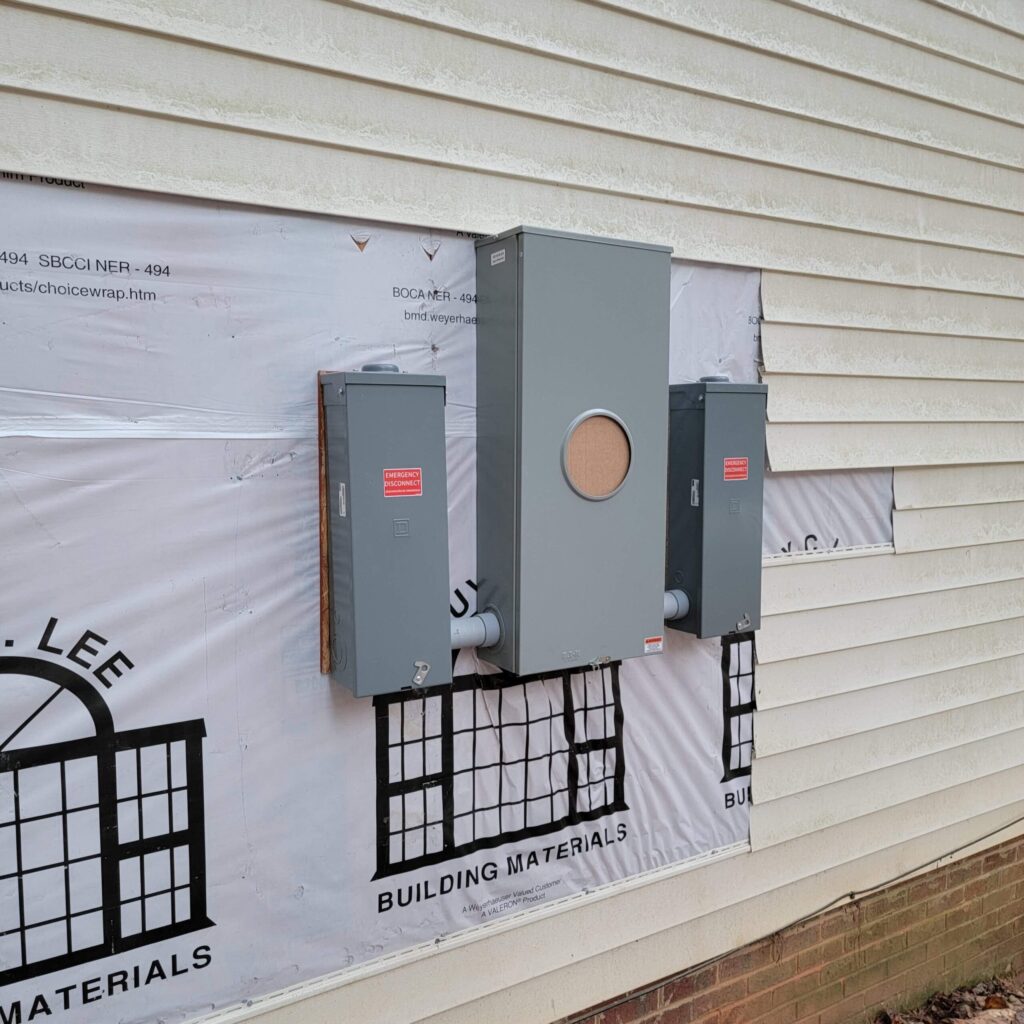
The wiring path starts at your electrical panel, where a properly sized breaker protects the circuit and serves as the first line of defense. From the panel, conductors travel to a disconnect switch placed near the equipment, then continue to the pump motor itself. Each connection point must be tight, weather sealed, and housed in an enclosure rated for outdoor exposure to keep moisture out. Loose or corroded connections create resistance, and resistance generates heat that can damage insulation and lead to failure over time. The motor terminals require careful attention because they sit closest to the water and the wettest part of the system. A licensed electrician torques these connections to specification and confirms that no bare conductor is exposed to the elements. Every component, from the breaker to the final terminal, works together as one protected system. When a single link in that chain is weak, the whole circuit becomes unreliable and unsafe.
Pool pump wiring also has to account for the constant vibration, humidity, and temperature swings that come with outdoor equipment. Vibration from the running motor can slowly loosen terminals that were not secured correctly, which is why professional installations use locking hardware and strain relief. Humidity drives corrosion at metal contacts, so weatherproof enclosures and proper gaskets are not luxuries but requirements. Temperature changes cause conductors to expand and contract, and quality wiring leaves room for that movement without stressing the connections. New Hampshire weather adds freeze and thaw cycles on top of summer heat, which makes durable materials even more important here. Homeowners who notice flickering pump operation, warm enclosure covers, or a faint burning smell should treat those signs as urgent. Those symptoms point to wiring that is failing under the daily strain of pool operation. Catching them early protects both your equipment and the people who use the pool. If you want this work handled correctly from the start, click here for our pool wiring service.
How Electrical Safety Codes Protect Your Pool Pump Wiring
Electrical safety codes exist to put a layer of protection between high voltage and the people standing in or near the water. The National Electrical Code, often shortened to the NEC, includes Article 680, which covers pools, spas, hot tubs, and fountains in detail. Article 680 sets the rules for ground fault protection, bonding, conductor placement, and how far electrical equipment must sit from the pool itself. These rules are written from decades of accident data, and each one addresses a specific way that water and electricity have hurt people in the past. When your pool pump wiring follows Article 680, you gain protection from the exact failures that the code was designed to prevent. Local jurisdictions in New Hampshire adopt and enforce these standards through permits and inspections. That oversight is your assurance that the work meets a recognized safety baseline rather than someone’s guess.
The code does far more than dictate which wire to use; it builds a complete safety system around the pool. Ground fault circuit interrupter protection shuts off power within a fraction of a second when current leaks where it should not, which is often the difference between a startle and a tragedy. Equipotential bonding ties together all the metal parts of the pool area so they share the same electrical potential and never become a shock path. Distance requirements keep switches, panels, and outlets far enough from the water that a person cannot reach them while wet and grounded. Each of these provisions works alongside the others, and removing even one weakens the entire system. The code treats the pool as a single environment where every metal surface and every powered component matters. This holistic approach is what makes professional, code compliant wiring so much safer than a quick fix.
Following electrical safety codes also protects your investment and your insurance coverage over the long run. Insurance companies frequently deny claims when an injury or fire traces back to unpermitted or noncompliant electrical work. Many home sales fall through or get delayed when an inspector finds pool wiring that does not meet current code. Permitted work creates a documented record that the installation passed inspection, which reassures future buyers and protects you legally. Beyond the paperwork, compliant wiring simply lasts longer because it uses the right materials and methods for a wet, demanding location. Repairs and upgrades also go more smoothly when the original work followed a recognized standard. Homeowners who treat code compliance as a checklist item to skip often pay far more later in repairs, fines, or liability. Doing it right the first time is always the cheaper path in the end.
Common Pool Pump Wiring Mistakes That Break Electrical Safety Codes
One of the most frequent mistakes is feeding a pool pump from an existing household circuit instead of a dedicated one. Sharing a circuit overloads the wiring, causes nuisance breaker trips, and removes the focused protection that the pump motor needs. Another common error is skipping ground fault protection entirely, often because an older installation predates the current requirement. Pumps without that protection leave swimmers exposed to leaking current that a working device would catch instantly. Some installers also use indoor rated wire, connectors, or enclosures in an outdoor wet location, which corrode and fail quickly. These shortcuts may pass a casual glance, yet they fall apart under the daily reality of a working pool. Each one represents a code violation that an inspector will flag and that a swimmer could pay for. Avoiding these mistakes starts with hiring someone who knows Article 680 inside and out.
Bonding errors rank among the most dangerous and most overlooked problems in pool pump wiring. Equipotential bonding requires a solid copper conductor, typically 8 gauge, that connects the pump motor, metal pool walls, ladders, and other conductive parts into one bonded grid. When an installer leaves out a bonding connection or uses the wrong wire, voltage differences can develop between metal surfaces that people touch. A swimmer reaching for a metal ladder while standing in the water can become the bridge that completes a circuit. This is not a rare theoretical risk; missing bonding has caused serious injuries at pools across the country. Bonding also gets damaged over time when connections corrode or get cut during landscaping and repairs. A thorough inspection checks the entire bonding grid for continuity rather than assuming it is intact. Bonding is invisible once buried, which is exactly why professional verification matters so much.
Distance and placement mistakes round out the list of common violations that put homeowners at risk. The code requires the pump disconnect to sit within sight of the equipment and a safe horizontal distance from the pool water, generally at least five feet. Receptacles, switches, and panels also have minimum distance rules that keep them out of a wet swimmer’s reach. Installers who place a disconnect too close to the water, or who mount an outlet at the pool edge for convenience, create a hazard that code is built to prevent. Improper burial depth for underground conductors is another frequent issue, since shallow wires get damaged by digging, frost, or equipment. Loose conduit, missing weatherproof covers, and reversed polarity at outlets show up regularly during inspections as well. Each of these errors is easy to make and easy to miss without trained eyes. A licensed electrician knows every measurement and clearance that Article 680 demands. If your outlets near the pool lack proper protection, click here for our GFCI outlet installation service.
The Electrical Safety Codes That Govern Pool Pump Wiring
Several specific electrical safety codes shape how a pool pump must be wired, and each one targets a different danger. Ground fault protection guards against current leaking through water, equipotential bonding eliminates dangerous voltage differences, and distance rules keep electrical components away from wet hands. Together these requirements form the core of NEC Article 680 as it applies to your pump. Knowing what each rule does helps you understand why a professional installation looks the way it does and why shortcuts are so risky. These codes are not arbitrary; every line traces back to a real failure that hurt someone. Below, each major requirement gets a closer look so you can see how it protects your pool. Understanding the rules also makes it easier to ask the right questions when you hire an electrician.
GFCI Protection Requirements in Pool Pump Wiring Electrical Codes
Ground fault circuit interrupter protection is one of the most important safety codes for any pool pump wiring installation. A GFCI device monitors the current flowing out to the pump and the current returning, and it expects those two values to match exactly. When even a tiny amount of current escapes the circuit, often by leaking through water or a person, the device senses the imbalance and cuts power in milliseconds. That fast shutoff is fast enough to prevent a leaking fault from becoming a fatal shock. Current editions of the NEC require GFCI protection for pool pump motors on standard residential circuits, both 120 volt and 240 volt. This protection can come from a GFCI breaker at the panel or a properly rated device at the equipment. The key is that the protection actually covers the pump motor and not just nearby outlets.
Many older pool installations were wired before GFCI protection became mandatory for pump motors, which leaves a large number of homes with a serious gap. A pump that has run safely for years can still develop insulation breakdown inside the motor that lets current leak into the surrounding water. Without a ground fault device watching for that leak, nothing interrupts the flow until someone feels it. Upgrading an older pump circuit to include modern ground fault protection is one of the highest value safety improvements a pool owner can make. The upgrade is usually straightforward for a licensed electrician and dramatically reduces the risk of electric shock drowning. Homeowners with pumps installed years ago should have the circuit evaluated rather than assuming the old wiring is still adequate. Codes get stricter precisely because experience reveals new hazards. Bringing your wiring current is a direct investment in the safety of everyone who swims.
Testing and maintaining ground fault protection is just as important as installing it in the first place. A GFCI device has a test button that should trip the circuit and confirm the protection still works, and the code expects regular testing. Over time, surges, lightning, and age can wear out the internal components so the device no longer trips when it should. A device that fails to trip during testing gives a false sense of security while offering no actual protection. New Hampshire summers bring frequent thunderstorms, and nearby lightning strikes are a common cause of damaged ground fault devices. Replacing a worn device is inexpensive compared to the consequences of a fault going undetected. A professional can verify that every protective device on the pool circuit functions correctly. Routine verification keeps the protection real rather than just present on paper.
Equipotential Bonding Rules in Pool Pump Wiring Electrical Codes
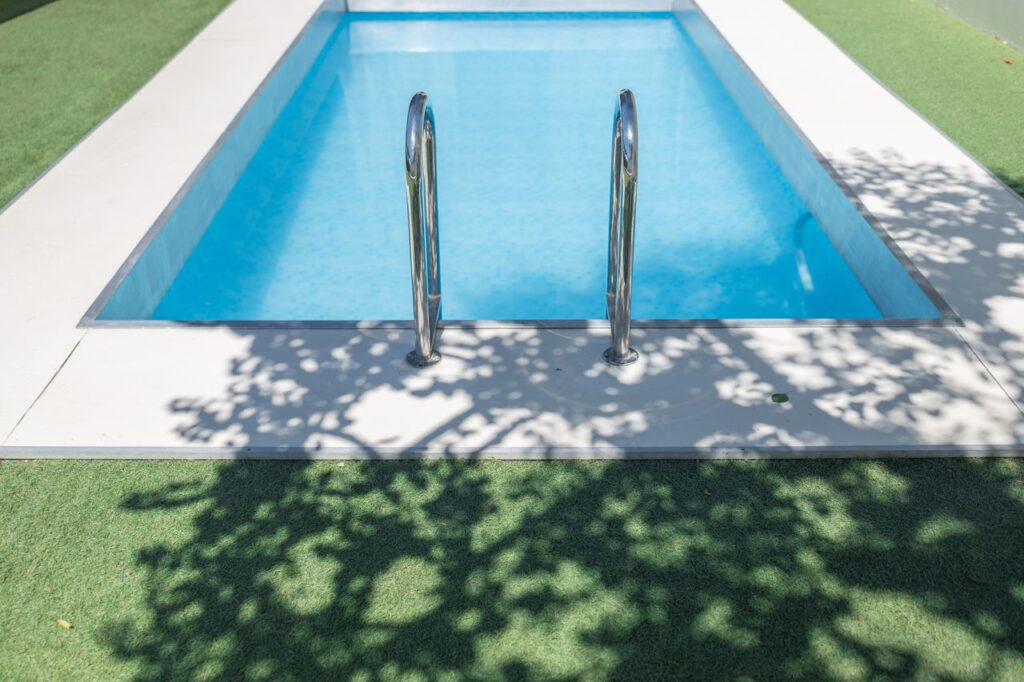
Equipotential bonding is the safety code that most homeowners have never heard of, yet it prevents some of the most frightening pool accidents. Bonding connects all the metal components in and around the pool, including the pump motor, metal walls, ladders, handrails, and reinforcing steel, into one continuous grid. The goal is to force every metal surface to sit at the same electrical potential so there is never a voltage difference between two things a swimmer might touch. When everything shares the same potential, current has no reason to flow through a person bridging two surfaces. The code typically requires a solid 8 gauge copper conductor for this bonding grid because it must carry fault current reliably. This conductor is separate from the equipment grounding wire and serves a different protective purpose. Bonding and grounding often get confused, but they solve distinct problems and both are required.
The difference between bonding and grounding trips up even some inexperienced installers, which is why pool wiring deserves a specialist. Grounding gives fault current a safe path back to the panel so a breaker can trip and clear the fault. Bonding, by contrast, equalizes potential across metal surfaces so that no shock path forms in the first place. A pool can be properly grounded and still be deadly if the bonding grid is incomplete or broken. Both systems must be present and intact for the installation to be safe and code compliant. The bonding grid also ties into the water itself in many installations through a bonded fitting, since the water can carry current too. Getting all of these connections right requires knowledge of Article 680 and careful field verification. This is detailed, exacting work that does not forgive guesswork. A pool that lacks complete bonding is a hidden hazard waiting for the wrong moment.
Bonding connections are buried, concealed, or otherwise hard to see, which makes professional installation and inspection essential. Once concrete is poured and landscaping is finished, a missing bonding connection is nearly impossible to spot from the surface. Over the years, corrosion at a bonding lug or a conductor cut during a repair can quietly break the grid without any visible sign. Homeowners have no practical way to test bonding continuity on their own, since it requires specialized equipment and training. A licensed electrician can measure the bonding grid and confirm that every metal part shares the same potential as designed. This verification is especially valuable when buying a home with an existing pool or after any nearby digging or remodeling. Because the stakes are so high, bonding is not a place to cut corners or trust unverified work. Proper bonding is the quiet system that keeps a metal ladder from ever becoming a shock hazard.
Disconnect and Distance Rules in Pool Pump Wiring Electrical Codes
Disconnect and distance requirements are the safety codes that govern where pool electrical equipment can physically sit. The NEC requires a disconnecting means for the pump that is readily accessible, within sight of the equipment, and located a safe horizontal distance from the pool water. That distance is generally at least five feet, which keeps a person from reaching the switch while standing in or dripping from the pool. The disconnect lets anyone shut off power quickly during an emergency or before service, without going back to the main panel. A disconnect placed too close to the water defeats its own purpose and creates a hazard instead of removing one. These placement rules apply to switches, panels, and other powered equipment around the pool area as well. Every measurement in the code reflects a deliberate effort to keep electricity out of arm’s reach of wet swimmers.
Receptacle placement near a pool follows its own strict set of distance and protection rules under Article 680. Outlets must sit a minimum distance from the inside wall of the pool, and any outlet within the broader pool area must have ground fault protection. The rules balance convenience with safety by allowing receptacles at a controlled distance while keeping them out of the immediate splash zone. Installers who mount an outlet right at the pool edge for a vacuum or a radio create exactly the hazard the code forbids. Lighting near the pool, including underwater fixtures, carries additional requirements for low voltage and proper bonding. Each fixture and outlet must be placed and protected according to its specific role in the pool environment. A licensed electrician knows these clearances by heart and lays out the equipment to meet every one. Thoughtful placement is a major part of what separates a safe pool from a risky one.
Underground conductor rules round out the placement requirements that protect pool pump wiring from damage. Wires running underground to the pump must be buried at the proper depth and protected in approved conduit so they survive frost, digging, and lawn equipment. In New Hampshire, the freeze and thaw cycle makes correct burial depth especially important, since shallow conductors can be heaved and damaged by frost. Conduit also shields the wiring from rodents, roots, and the simple wear of years underground. When an underground run is too shallow or unprotected, a damaged conductor can energize the soil or fail without warning. Proper depth, conduit, and warning tape are all part of a code compliant underground installation. These details are invisible once the trench is filled, so they depend entirely on the installer doing the work right. A professional follows the burial rules precisely so the buried portion of your pool wiring stays safe for decades. To confirm your existing pool wiring meets every one of these codes, click here for our electrical inspection service.
Why You Need a Licensed Electrician for Pool Pump Wiring
Pool pump wiring sits at the intersection of high voltage, constant water exposure, and a dense set of safety codes, which makes it some of the riskiest electrical work around a home. A licensed electrician brings the training, the code knowledge, and the testing tools that this work demands. Professionals pull the proper permits, install to Article 680, and verify that ground fault protection and bonding actually function. That combination protects your family, your equipment, and your legal standing as a homeowner. Doing pool wiring yourself or hiring an unlicensed handyman puts all of that at risk for a small upfront savings. The right help turns a dangerous project into a safe, lasting installation.
When to Call an Electrician for Pool Pump Wiring and Code Compliance
You should call a licensed electrician any time you install a new pool pump, replace an old one, or move existing pool equipment. New installations need a dedicated circuit, proper bonding, and ground fault protection from day one, all of which require code knowledge. Replacing a pump is a good moment to bring older wiring up to current code, since the circuit is already exposed. Any sign of trouble, such as tripping breakers, a warm enclosure, or a pump that hums and stalls, also warrants a prompt call. These symptoms often point to wiring faults that get more dangerous the longer they run. A professional can diagnose the cause and correct it before it leads to a shock or a fire.
Buying or selling a home with a pool is another moment that calls for professional pool wiring evaluation. Many existing pools were wired years ago to older standards and quietly fail current code in ways a buyer would never notice. An electrician can inspect the bonding grid, confirm ground fault protection, and check every clearance before money changes hands. That inspection protects buyers from inheriting a hidden hazard and protects sellers from liability and failed sales. Nearby remodeling, landscaping, or digging also justifies a check, since those projects often damage buried bonding and conductors. A short professional visit gives you certainty instead of guesswork about a system you cannot see.
Storm damage is a frequent and underappreciated reason to call an electrician for pool wiring in New Hampshire. Lightning and power surges damage ground fault devices, breakers, and pump motors without always leaving obvious signs. A device that no longer trips, or a breaker that has been weakened, leaves your pool unprotected even though everything looks normal. After a strong storm season, having the pool circuit tested confirms that the safety systems still work as designed. Electric shock hazards are silent until someone discovers them the hard way, so proactive testing is the safe choice. A licensed professional can restore full protection quickly and document that the work was done. If a fault leaves your pool without power, click here for our emergency electrician service.
What to Expect During a Professional Pool Pump Wiring Inspection
A professional pool pump wiring inspection starts at the electrical panel and follows the circuit all the way to the motor. The electrician confirms that the breaker is correctly sized, that ground fault protection is present, and that the circuit is dedicated to the pump. From there, the inspection moves to the disconnect, checking its placement, accessibility, and distance from the water. Each connection point along the way gets checked for tightness, corrosion, and proper weatherproofing. This methodical approach catches small problems before they become failures. By the end, you receive a clear picture of how your pool wiring stacks up against current code.
Bonding verification is a central part of any thorough pool wiring inspection. The electrician measures continuity across the bonding grid to confirm that the pump motor, ladders, rails, and other metal parts truly share the same electrical potential. Because bonding is buried and concealed, this testing is the only reliable way to know it is intact. A break or corroded connection that would otherwise stay hidden shows up clearly during proper measurement. The inspection also confirms that bonding and grounding are both present and correctly separated. This step alone often reveals the most dangerous and most overlooked problems on older pools.
The inspection finishes with testing of the protective devices and a review of every clearance around the pool. The electrician trips and resets the ground fault protection to confirm it still cuts power when it should. Receptacle placement, outlet protection, lighting, and underground conductor depth all get checked against Article 680. You then receive a straightforward report of what passes, what needs attention, and what the code requires. This gives you a clear plan rather than vague worry about a system you cannot see. With that information in hand, you can address any issues before they ever threaten a swimmer.
Why Choose Whiting Electrical Services for Pool Pump Wiring
Whiting Electrical Services brings deep electrical expertise and a serious commitment to safety to every pool wiring project in the Lakes Region and beyond. The team backs its work with a Lifetime Craftsmanship Warranty, so your pool wiring is protected long after the job is finished. The company holds an A rating with the Better Business Bureau and has earned the trust of major clients including Mr. Beast and WillScot for electrical projects. That track record reflects a consistent standard of careful, code compliant work that homeowners can rely on. The team is dedicated to providing five star service on every visit, large or small. When your family’s safety is on the line, that reputation matters.
Choosing Whiting Electrical Services also means working with professionals who understand New Hampshire conditions and codes from years of local experience. The team knows how freeze and thaw cycles, summer storms, and lake area conditions affect pool wiring and plans the work accordingly. As a Generac Certified Dealer and Service Provider, the company brings the same certified level of care to all of its electrical work. Veterans, first responders, and paramedics receive a ten percent discount as a thank you for their service to the community. Honest communication, fair pricing, and respect for your home are part of every job. You get work that meets code and people who stand behind it.
When you are ready to wire, repair, or inspect your pool pump the right way, Whiting Electrical Services is ready to help. The team handles new pool pump installations, code upgrades on older systems, bonding verification, and ground fault protection with precision and care. Every project is permitted, inspected, and completed to current NEC Article 680 standards so your pool stays safe season after season. Reach out today to schedule your pool wiring service or a full inspection and protect everyone who swims at your home. Call Whiting Electrical Services at (603) 512-3887 to speak with a licensed professional and get your pool pump wiring done right.