
The Homeowners Guide to GFCI Outlets and Why They Matter Outdoors
GFCI outlets are one of the most important safety devices in any modern home, yet most people walk past them every day without a second thought. They are built to cut power in a fraction of a second when they sense electricity straying off its intended path. Outdoors, that protection becomes even more critical, because rain, sprinklers, and damp ground create the exact conditions that lead to dangerous shocks. Homeowners across New Hampshire use their patios, decks, and yards heavily during the warm months, which puts far more strain on outdoor receptacles than any other season. A single faulty outlet near a pool, a garden bed, or a grill can turn an ordinary summer afternoon into a true emergency. Understanding how these outlets work helps you catch small problems before they become hazards. This guide explains what a GFCI outlet does, where you need one outside, and how to keep it working reliably through every season. By the time you finish reading, you will know when a simple reset fixes the issue and when it is time to call a licensed electrician.
How GFCI Outlets Protect You and Why They Matter Outdoors
A GFCI outlet, short for Ground Fault Circuit Interrupter, constantly monitors the flow of electricity moving through it. It compares the current going out to the current coming back, and those two numbers should always match. When even a tiny amount of current leaks somewhere it should not go, often through water or a person, the outlet senses the imbalance and shuts off power almost instantly. This response happens far faster than a standard breaker could ever react. Outdoors, that speed is the difference between a harmless surprise and a life threatening shock. Below, we break down exactly what these outlets do, where they belong around your property, and how the weather affects them.
What a GFCI Outlet Does and Why It Matters Outdoors
The job of a GFCI outlet sounds simple, but the engineering behind it is precise and fast. Electricity flows in a balanced loop, traveling out through one wire and returning through another in equal measure. A GFCI device watches that loop hundreds of times every second, looking for any difference between the two paths. The moment it detects a leak of roughly four to six milliamps, it trips and stops the flow of power. That tiny threshold matters because it sits well below the level of current that can stop a human heart. The whole process takes about one fortieth of a second, which is faster than you can blink.
Outdoors, the value of that protection multiplies because moisture is almost always part of the picture. Water conducts electricity easily, and your body becomes an inviting path to ground when you are standing on wet grass or a damp deck. A standard outlet has no way to recognize that danger and will keep delivering power right up until something fails. A GFCI outlet, on the other hand, reacts to the leak itself rather than waiting for a fuse to blow or a breaker to overload. This means it protects you even when the fault is small enough that nothing visibly goes wrong. That early reaction is what makes outdoor GFCI protection a code requirement rather than a suggestion.
It also helps to understand the difference between a GFCI outlet and the breaker in your panel. A regular circuit breaker guards the wiring against overloads and short circuits that could start a fire. A GFCI guards people against electrocution, which is a completely separate kind of hazard. The two work together, and one cannot replace the other. Outside your home, where appliances, tools, and bare skin all meet the elements, you need both layers working at the same time. If you are unsure your outdoor receptacles have proper ground fault protection, a quick inspection will tell you. Need a safe outdoor outlet installed the right way? Click here for our GFCI outlet installation service.
Where Outdoor GFCI Outlets Matter Most Around Your Home
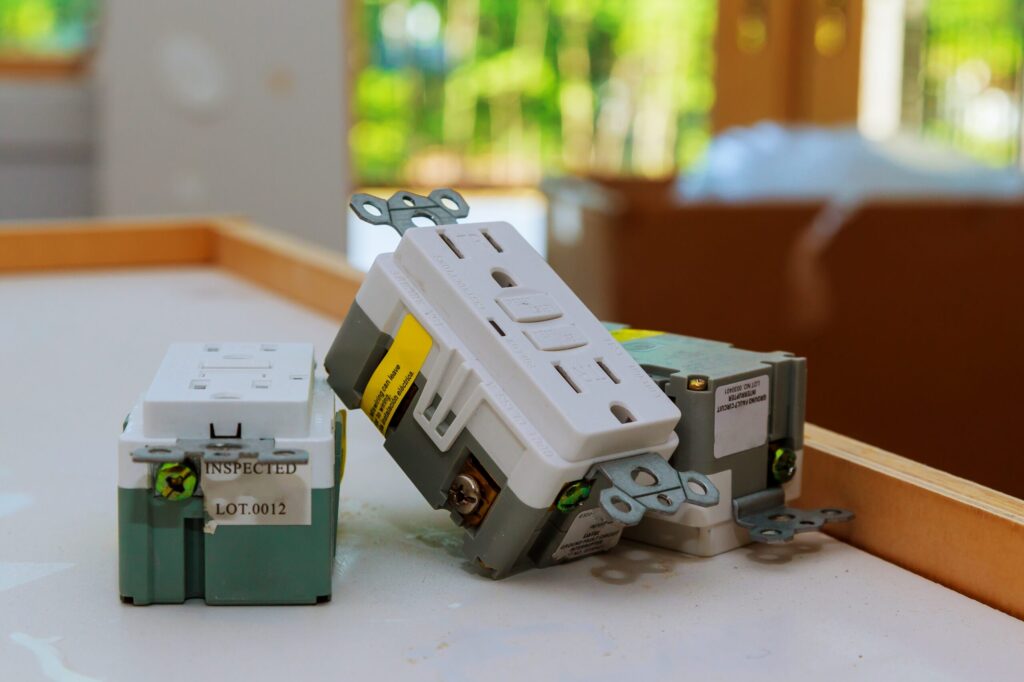
Certain spots around your property carry far more risk than others, and those are the places where GFCI protection earns its keep. Any outlet on an exterior wall counts, since it faces direct exposure to rain and snow. Receptacles on porches, decks, and patios fall into the same category, because people plug in lights, speakers, and small appliances right where moisture collects. The area around a pool or hot tub is the highest risk zone of all, since standing water and wet hands are constant. Garden sheds, detached garages, and workshops also demand this protection, especially when power tools are part of the routine. Every one of these locations sees regular human contact combined with the elements.
The National Electrical Code has expanded GFCI requirements steadily over the years, and outdoor coverage has been mandatory for decades. If your home was built or rewired recently, the exterior outlets almost certainly include this protection already. Older homes are a different story, and many properties around the Lakes Region still rely on outlets installed before these rules existed. A house from the 1970s or earlier may have ordinary outdoor receptacles that offer no shock protection whatsoever. Renovations, additions, and pool installations are common moments when these gaps come to light. Bringing older wiring up to current standards protects your family and keeps your home compliant for any future sale.
Pools and hot tubs deserve special attention because they combine water, metal, and constant foot traffic in one place. The code requires GFCI protection for the pump motor, the lighting, and any receptacle within a set distance of the water. Bonding and grounding around the pool structure also matter, since a hidden fault can energize a metal ladder or railing. This is detailed, safety critical work that goes well beyond swapping a single outlet. A licensed electrician understands the exact clearances and connections the code demands. Adding power near your pool or spa this summer? Click here for our pool wiring service.
How Weather Affects Outdoor GFCI Outlets and Why They Matter
New Hampshire weather is hard on anything mounted to the outside of a house, and outdoor outlets take a real beating. Rain, melting snow, and morning dew all push moisture toward the receptacle and the wiring behind it. Over time, that water finds its way past worn gaskets and cracked covers into spaces it was never meant to reach. Once moisture reaches the contacts inside, it creates the very leak path a GFCI is designed to catch. This is why a healthy outdoor outlet may trip during a heavy storm and reset cleanly once things dry out. That behavior is the device doing its job, not a sign of failure.
Temperature swings add another layer of stress that many homeowners overlook. The freeze and thaw cycle common to our winters expands and contracts everything, including the plastic housings and rubber seals on outdoor equipment. A cover that sealed perfectly in summer can develop tiny gaps by spring after months of ice and cold. Sunlight breaks down materials too, slowly making covers brittle and faded until they crack at a touch. Each of these small failures opens a new door for water. Inspecting your outdoor covers a couple of times a year catches this damage before it lets moisture inside.
Proper hardware makes a tremendous difference in how well an outdoor outlet survives the seasons. Modern code calls for weather resistant receptacles, marked with the letters WR, which use corrosion resistant parts built to handle the elements. Those outlets pair with bubble style covers that stay closed even while a cord is plugged in, keeping rain off the connection during use. An older flat cover that only protects an empty outlet leaves the receptacle exposed every time you run a string of lights overnight. Upgrading to the correct hardware reduces nuisance tripping and extends the life of the whole circuit. If your outdoor outlets trip constantly or look weathered, an inspection will pinpoint the cause. Want to know if your outdoor wiring is up to code? Click here for our electrical inspection service.
Common Outdoor GFCI Outlet Problems and Why They Matter
Outdoor GFCI outlets are reliable, but they do run into predictable issues that homeowners should recognize. A tripping outlet, a dead receptacle, or a button that no longer clicks are all signals worth understanding. Some of these problems have an easy fix you can handle yourself in a few minutes. Others point to wiring faults, water intrusion, or a worn device that needs a professional. Knowing the difference saves you time, money, and unnecessary risk. The sections below cover the three problems we see most often and what each one really means.
Why Your Outdoor GFCI Outlet Keeps Tripping
A GFCI that trips now and then is usually doing exactly what it should. The most common cause is moisture, especially after rain or heavy humidity, since even a thin film of water can create the leak the outlet is built to detect. When you find a tripped outdoor outlet the morning after a storm, the simplest first step is to let it dry and press reset. If it holds, the device protected you from a genuine fault and there is no further problem. This kind of occasional trip is a feature, not a defect. Frequent or repeated tripping, though, tells a different story that deserves attention.
Persistent tripping often points to a problem with whatever is plugged into the outlet. Old extension cords, worn appliance wiring, and damaged tools can all leak current and trip the GFCI every time they connect. A good test is to unplug everything, reset the outlet, and then add devices back one at a time. When the trip returns as soon as a certain item is plugged in, that item is the likely culprit. Damaged cords and tools are a real shock and fire risk and should be replaced rather than nursed along. This simple process of elimination saves a service call for something you can solve in minutes.
Sometimes the fault lies in the wiring or the outlet itself, and those cases call for a professional. Water that has worked its way into the box, corroded connections, or a deteriorating device can all cause repeated tripping that no amount of resetting will cure. A GFCI that trips the instant you reset it, with nothing plugged in, usually has an internal fault or a wiring problem upstream. Outdoor boxes that show rust, staining, or a buzzing sound need to be opened and inspected by someone qualified. Ignoring these signs allows a small hazard to grow into a dangerous one. A licensed electrician can trace the circuit, find the true source, and make the repair safely.
How to Test and Reset an Outdoor GFCI Outlet
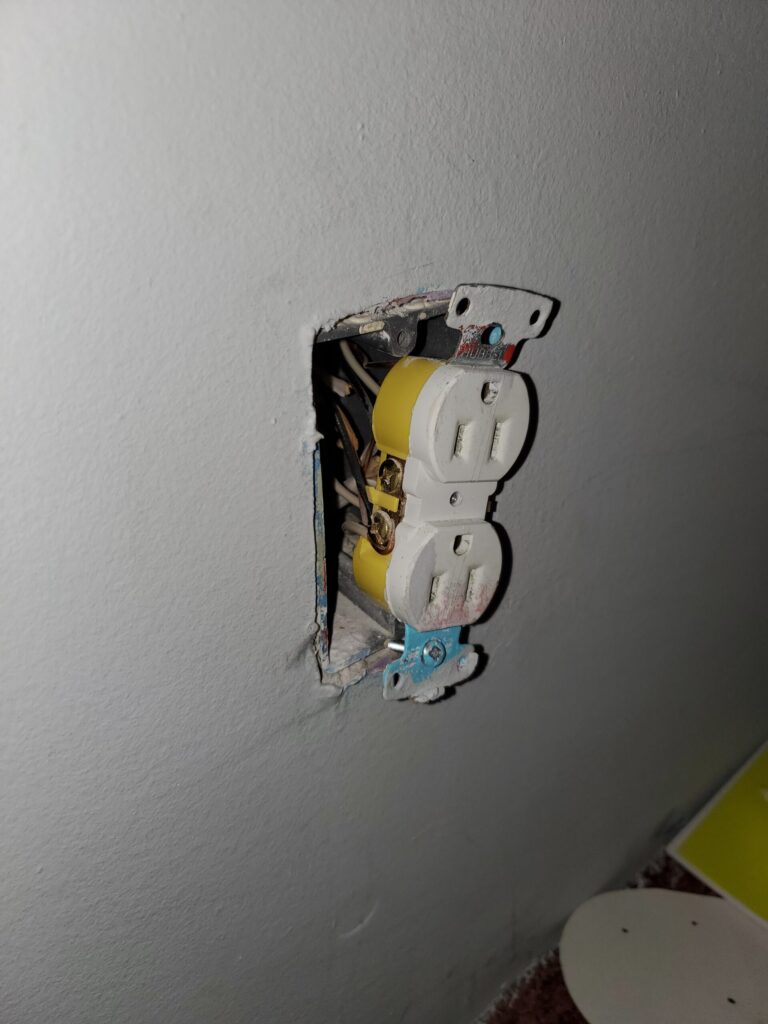
Testing a GFCI outlet is a quick habit that pays off in real safety, and every homeowner should know how to do it. Each device has two small buttons in the center, usually labeled test and reset. Pressing the test button should cause a distinct click as the outlet cuts power, which confirms the protection is working. To restore power, you press the reset button until it clicks and stays in. Manufacturers recommend running this test about once a month, and the start of the outdoor season is a perfect time to begin. A device that fails this test has lost its protective ability and needs to be replaced.
The reset process itself is simple, but a few details make it go smoothly. Always make sure your hands are dry and you are not standing in water before touching an outdoor outlet. If the reset button will not stay in, the problem is rarely the button and more often a fault somewhere on the circuit. Check that nothing faulty is still plugged in, then try the reset again with the circuit clear. Remember that one GFCI outlet often protects several others downstream of it, so a dead outlet may simply mean a tripped GFCI elsewhere. Tracing back to the first protected outlet often restores a whole string of dead receptacles at once.
There are limits to what testing and resetting can accomplish, and recognizing those limits keeps you safe. If an outlet refuses to reset even with everything unplugged and dry, the issue is no longer a simple trip. A device that is warm to the touch, discolored, or that gives off a faint burning smell should be turned off at the breaker immediately. These warning signs point to internal damage or a wiring fault that can lead to fire. Resetting a damaged outlet over and over only masks a growing danger. At that point the right move is to stop and bring in a professional rather than force the device to work.
When to Replace an Outdoor GFCI Outlet
Even a well made GFCI outlet does not last forever, and the elements outdoors shorten its life considerably. Most manufacturers suggest replacing these devices roughly every ten years, sooner if they live in a harsh location. A unit that fails the monthly test is finished and offers no protection, regardless of how it looks. Visible damage such as cracks, scorch marks, or melted plastic also calls for immediate replacement. An outlet that trips constantly with nothing plugged in has likely worn out internally. Treating the GFCI as a wear item rather than a permanent fixture keeps your protection dependable.
Age alone is a strong reason to consider an upgrade, especially on older properties. Outlets installed many years ago may predate the weather resistant standard and lack the corrosion protection that modern devices include. Many older outdoor receptacles also use flat covers that leave the outlet exposed while a cord is in use. Replacing these with current WR rated outlets and bubble covers brings real improvement in both safety and reliability. Newer GFCI devices also include a self test feature that warns you when protection has failed. Upgrading is a small investment that pays off every time the outlet meets bad weather.
Replacing an outdoor GFCI outlet is more involved than swapping an indoor one, and that is where professional help matters. The work has to account for proper sealing, correct cover selection, and the load and line wiring that determines what the device protects. A mistake in those connections can leave outlets unprotected without any obvious sign that something is wrong. Outdoor boxes also need to be checked for water damage and secure grounding while the cover is off. A licensed electrician handles all of this in one visit and confirms the protection works before leaving. Doing the job right the first time avoids repeat failures and keeps your family safe through every season.
Why You Need Professional Outdoor GFCI Outlet Installation
Outdoor electrical work sits at the crossroads of water, weather, and constant human contact, which leaves no room for shortcuts. GFCI protection only works when it is installed with the correct hardware, the right wiring, and a weatherproof finish. A small error in a damp environment can undo the very safety the device is meant to provide. Professional installation means the job is done to code, sealed against the elements, and tested before anyone calls it complete. The peace of mind that comes from knowing your outdoor outlets will protect your family is well worth the call.
Why Professional GFCI Outlet Installation Outdoors Matters
Installing an outdoor GFCI outlet correctly requires more than wiring two terminals and snapping on a cover. The circuit has to be sized properly, grounded securely, and protected with hardware rated for outdoor exposure. A licensed electrician knows the exact code requirements for clearances, cover types, and weather resistant devices. They also recognize the warning signs of older wiring that may not handle modern loads safely. This expertise prevents the nuisance tripping and premature failure that often follow a rushed installation. The result is an outlet that performs the way it should for years.
There is also a real safety gap between a job that looks finished and one that is truly correct. An outdoor outlet that appears fine can still have reversed wiring, a missing ground, or load and line connections swapped in a way that leaves outlets unprotected. These mistakes are invisible from the outside and only reveal themselves during a fault, which is the worst possible moment. A professional verifies every connection and tests the protection under realistic conditions. That verification is something a quick do it yourself swap rarely includes. Paying for it once is far cheaper than paying for the consequences of a hidden error.
Code compliance carries weight beyond the day of installation as well. Insurance claims, home inspections, and future sales all hinge on electrical work meeting current standards. An outlet installed without the proper permits or protection can become a costly problem at the worst time. A licensed electrician documents the work and stands behind it, which protects your investment in the home. This is especially important for higher risk additions like pools, hot tubs, and detached structures. Professional installation turns a safety requirement into a lasting asset.

How Outdoor GFCI Outlet Installation Protects Your Family
The whole point of outdoor GFCI protection is to keep the people you love safe in the places they gather. Backyards, decks, and pool areas are where children play and where wet hands meet plugged in devices all summer long. A properly installed GFCI watches over every one of those moments without anyone giving it a thought. It reacts to a dangerous fault faster than any person could, cutting power before harm can occur. That silent protection is the reason these outlets exist. Trusting it to a professional ensures it will be there when it counts.
Beyond shock protection, correct installation reduces the risk of electrical fires around your home. Faulty outdoor wiring exposed to moisture can arc and overheat, and damaged connections only make that worse. A professional seals the box, uses the right hardware, and confirms the wiring can handle the load safely. These steps remove the conditions that lead to slow, hidden damage over time. The protection works around the clock, in every storm and every heat wave. For a family, that reliability is priceless.
Knowing your outdoor electrical system is sound also brings genuine peace of mind. You can host gatherings, run holiday lighting, and let the kids play near the pool without a nagging worry about safety. That confidence comes from having the work done by people who understand the trade and care about the outcome. Regular inspection of your outdoor outlets keeps that protection strong as the years pass. A trusted electrician becomes a partner in keeping your home safe. Need urgent help with a failing or sparking outdoor outlet? Click here for our emergency electrician service.
Why Choose Whiting Electrical Services for Outdoor GFCI Outlets
Whiting Electrical Services brings a level of care and craftsmanship that homeowners across the Lakes Region have come to trust. Every project we complete is backed by our Lifetime Craftsmanship Warranty, which reflects the confidence we have in our work. We hold an A rating with the Better Business Bureau and are proud to be a Generac Certified Dealer and Service Provider. Major organizations such as Mr. Beast and WillScot have trusted us with their electrical projects, and we bring that same standard to your home. We are dedicated to delivering a five star service on every visit, no matter the size of the job. When you call us, you get a team that treats your safety as the priority it deserves.
We also believe in giving back to the people who serve our communities. That is why we offer a ten percent discount for veterans, first responders, and paramedics on the work we perform. Our electricians take the time to explain what your outdoor outlets need and why, so you never feel left in the dark. We use the correct weather resistant hardware and code compliant methods on every installation. From a single GFCI replacement to full pool wiring, we hold ourselves to the same exacting standard. Honesty and quality guide everything we do.
When it is time to protect your home with reliable outdoor GFCI outlets, the choice is an easy one. Reach out to Whiting Electrical Services and let our experienced team handle the work safely and correctly the first time. You can find us at 140 Court St B, Laconia, NH 03246, or email us anytime at Info@whitingelectricalservices.com. To schedule your outdoor GFCI outlet installation or inspection, call us today at (603) 512-3887. We look forward to keeping your family safe through every season.