
What You Need to Know Before Wiring a Backyard Hot Tub
A backyard hot tub turns an ordinary yard into a year round retreat, and it gives you a warm place to relax long after the New Hampshire summer fades. Behind that relaxing soak sits a serious electrical system that demands careful planning. A hot tub is one of the most power hungry appliances a homeowner can add, and it sits outdoors in a wet location where safety rules are strict. Most modern spas run on 240 volts and need a dedicated circuit, proper bonding, and reliable ground fault protection. Skipping any of these steps creates a real risk of shock, equipment damage, or a failed inspection. The good news is that a well planned installation protects your family and keeps your spa running for years. Knowing the requirements ahead of time helps you budget correctly and avoid costly surprises. This guide walks through the key electrical facts you should understand before you wire a backyard hot tub.
Hot Tub Wiring Basics Every New Hampshire Homeowner Should Understand
Wiring a hot tub is not the same as plugging in a lamp or adding a new outlet. The spa draws a heavy and steady load, so it needs its own circuit running directly from your electrical panel. That circuit must be sized for the heater, the pump, and the control system working at the same time. National Electrical Code Article 680 sets the rules for spas and hot tubs, and those rules cover circuit size, disconnects, bonding, and ground fault protection. New Hampshire follows the national code, so every legal installation in the Lakes Region must meet these standards. Understanding the basics helps you see why this job belongs in the hands of a licensed electrician. The sections below break down the three pieces that matter most for safe hot tub wiring. Ready to add a spa to your yard the right way? Click here for our hot tub wiring service.
The Right Circuit Size for Hot Tub Wiring
The first step in any hot tub wiring project is matching the circuit to the spa you own. Most portable hot tubs in the 240 volt range need a dedicated 50 amp circuit, though some smaller models use 40 amps and large luxury spas can require 60 amps. The manufacturer lists the exact amperage on the data plate and in the owner manual, and that number drives every other choice. A 50 amp circuit usually calls for 6 gauge copper wire, while a 60 amp circuit steps up to 4 gauge copper. Running undersized wire is a fire hazard because the conductors overheat under the steady load of the heater. The wire must also be rated for outdoor and wet conditions, often run inside conduit for protection. Getting this part right from the start saves you from rewiring later.
Your existing electrical panel also needs enough spare capacity to handle the new load. A hot tub can add forty to sixty amps of demand to a home that may already be near its limit. An older 100 amp panel running a furnace, range, dryer, and air conditioner may not have room for a large spa. A licensed electrician performs a load calculation to confirm your panel can carry the addition safely. When the panel is full or undersized, a service upgrade or a subpanel becomes part of the project. This step protects the whole house, not just the hot tub circuit. Planning for capacity early keeps the timeline and budget under control.
Voltage matters just as much as amperage when you wire a backyard hot tub. Most full size spas run on 240 volts and use a four wire connection with two hot legs, a neutral, and a ground. Some smaller plug and play models run on a standard 120 volt outlet, but they heat slowly and struggle in cold New Hampshire winters. A true 240 volt setup heats faster and holds temperature better through the long cold season. The control pack inside the spa is wired for one specific voltage, so the circuit must match it exactly. Connecting the wrong voltage can destroy the control board and void the warranty. A professional confirms the voltage and the connection type before any wire is pulled.
GFCI Protection and Hot Tub Wiring Safety
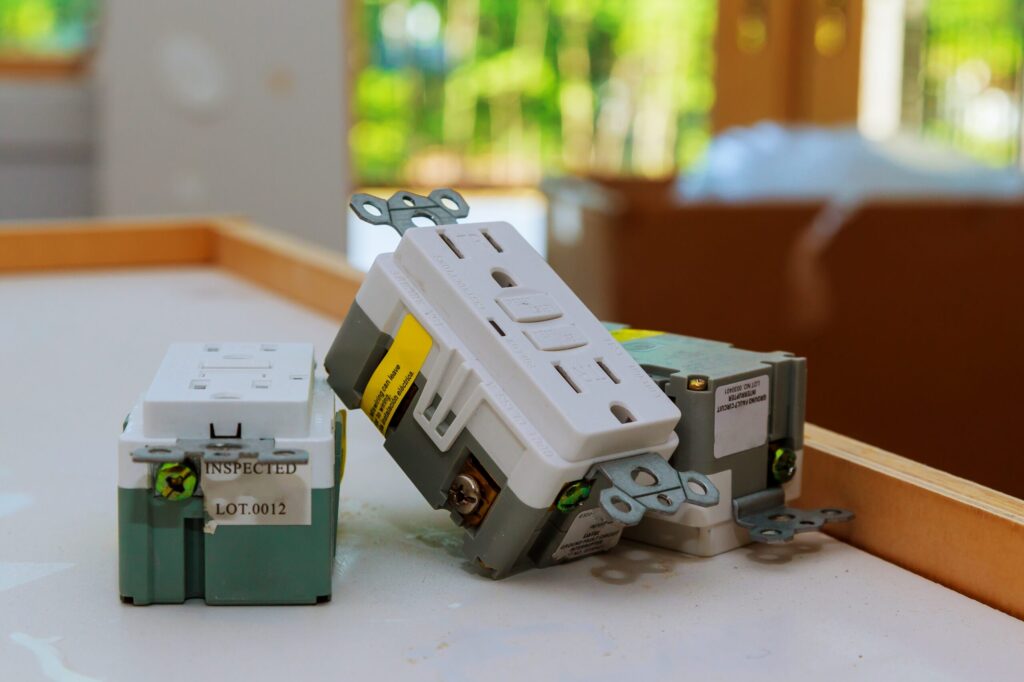
Ground fault protection is the single most important safety feature in any hot tub wiring system. Water and electricity together create a real danger, so the code requires a ground fault circuit interrupter on the hot tub circuit. A GFCI device watches the flow of current and trips in a fraction of a second if it senses electricity leaking to ground. That fast shutoff can stop a fatal shock before it ever reaches a person in the water. For a 240 volt spa, the protection usually comes from a GFCI breaker inside a dedicated spa panel. This protection is not optional, and no inspector will pass an installation without it. The safety of everyone who uses the tub depends on this device working correctly.
The code also requires a manual disconnect within sight of the hot tub. This disconnect lets anyone shut off power quickly in an emergency or during service work. It must sit at least 5 feet from the water so no one can reach it from inside the tub, and it cannot sit too far away to be useful. The disconnect is usually built into the same outdoor spa panel that holds the GFCI breaker. Mounting it in a clear, reachable spot is a code requirement, not a suggestion. During repairs, this switch protects the technician working on the equipment. A licensed electrician knows the exact placement rules and installs the disconnect correctly.
Outdoor conditions put extra stress on every part of a hot tub circuit. Rain, snow, and ice are constant threats in New Hampshire, so all components must be weather rated. The spa panel needs a weatherproof enclosure, and outdoor receptacles need in use covers that keep water out while a cord is plugged in. Any receptacle serving the area must also carry GFCI protection of its own. A nearby 120 volt outlet for convenience must sit at least 6 feet from the inside wall of the tub under current code. These details protect against shocks during the wet seasons that the Lakes Region knows well. Proper outdoor rated materials are the difference between a safe install and a hazard. Skipping weatherproofing leads to corrosion, nuisance trips, and dangerous faults over time.
Bonding and Grounding in Hot Tub Wiring
Bonding is one of the least understood but most important parts of hot tub wiring. Grounding gives stray electricity a safe path back to the panel, while bonding ties all the metal parts together so they share the same electrical level. When everything is bonded, there is no voltage difference between metal surfaces that a person could touch. Without bonding, a small fault could put a dangerous charge on a railing, a pump housing, or the water itself. Code requires a solid 8 gauge copper bonding conductor connecting the metal parts around the spa. This includes the pump, the metal frame, and any metal within 5 feet of the tub. Proper bonding is invisible when it works, and deadly serious when it is missing.
Grounding and bonding work together but are not the same thing, and both are required. The equipment grounding conductor runs with the circuit wires from the panel to the spa. The bonding grid surrounds the tub and links the metal components into one connected system. Many hot tubs also include a bonding lug on the equipment pack for this exact purpose. An electrician connects the bonding wire to that lug and to every required metal part. Inspectors look closely at bonding because it is a frequent point of failure in do it yourself jobs. A missed bonding connection can pass unnoticed for months until someone feels a tingle in the water.
This is the area where untrained installation causes the most danger. A homeowner may connect the power and get the spa running, yet leave the bonding incomplete without realizing it. The tub works fine and feels normal, so the hidden risk goes unnoticed. Then a fault develops, and the lack of bonding turns a minor problem into a shock hazard. Professional electricians follow Article 680 step by step and verify every connection before energizing the system. They test the work and document it for the inspection. That careful process is exactly why bonding belongs in trained hands.
Planning the Installation Before You Wire a Backyard Hot Tub
A smooth hot tub project starts long before the first wire is pulled. Good planning covers the location, the path for the wiring, the permit, and the inspection. Each of these steps affects the cost, the timeline, and the safety of the finished system. Choosing the wrong spot can force a longer and more expensive wire run, or even break a code rule. Skipping a permit can create problems when you sell the home or file an insurance claim. Thinking through these details early prevents delays and keeps the budget realistic. The sections below cover the planning steps that make a backyard hot tub installation go smoothly. Not sure your panel can handle the extra load? Click here for our electrical inspection service.
Choosing the Location When You Wire a Backyard Hot Tub
Location is the first decision that shapes the entire wiring plan. The distance from your electrical panel to the spa controls how much wire and conduit the job needs. A longer run costs more and may require a larger wire size to handle voltage drop. The terrain matters too, since wire often must travel under decks, across yards, or through finished walls. A spot close to the panel usually keeps the install simpler and more affordable. Drainage and a level, solid base also factor into where the tub should sit. A short walk through the yard with your electrician usually reveals the best path.
Code rules also limit where a hot tub can sit in relation to other features. Overhead power lines must keep a safe clearance from the water, and the spa cannot sit directly under most of them. The tub needs to stay a set distance from the panel disconnect and from any windows or doors that could create a hazard. You also want the spa away from low spots where rain and snowmelt collect. Privacy, sun, and wind all play a role in comfort once the tub is in use. Balancing comfort with code keeps the project both enjoyable and legal. An experienced electrician spots these clearance issues before they become problems.
Future plans should shape the location choice as well. A spot near a planned patio, pergola, or outdoor kitchen can let you wire several projects at once and save money. Running a slightly larger feeder now can leave room for added outdoor circuits later. Think about lighting around the tub, since soft outdoor lighting adds both safety and ambiance at night. Speaker wiring, heaters, and other features may share the same trench when planned together. A little forward thinking turns a single hot tub circuit into a complete backyard plan. Mapping it out early avoids tearing up the yard a second time. Good planning today protects your investment for many seasons.
Permits and Inspections for Wiring a Backyard Hot Tub
Almost every town in New Hampshire requires a permit to wire a hot tub. The permit process exists to confirm that the work meets code and keeps your family safe. A licensed electrician pulls the permit and takes responsibility for meeting every requirement. After the wiring is complete, a local inspector reviews the circuit, the bonding, the disconnect, and the GFCI protection. Passing that inspection proves the work is safe and properly documented. Unpermitted work can come back to haunt you during a home sale or an insurance claim. The permit is a small step that protects a large investment.
Inspectors check specific items on every hot tub installation. They confirm the circuit size, the wire gauge, and the breaker rating all match the spa. They verify the disconnect placement and the presence of working GFCI protection. The bonding grid gets close attention because it is a common failure point. The inspector also checks that outdoor components are weather rated and properly sealed. A professional electrician knows this checklist by heart and builds the job to pass on the first visit. That experience saves you the cost and delay of a failed inspection.
Trying to handle the permit and inspection alone often backfires for homeowners. The code language is dense, and the requirements change between code cycles. A failed inspection means tearing into completed work and scheduling a return visit. Each delay pushes back the day you finally get to use your spa. A licensed electrician handles the paperwork, the schedule, and the corrections if any arise. They communicate with the inspector and keep the project moving forward. Letting a professional manage this process removes stress and protects your timeline. The result is a legal, safe, and fully documented installation.
Common Mistakes to Avoid When Wiring a Backyard Hot Tub
The most common mistake is treating a hot tub like an ordinary appliance. Homeowners sometimes try to run the spa off an existing circuit that is already loaded. That shortcut overloads the wiring and trips breakers, or worse, overheats the conductors. Another frequent error is using wire that is too small for the amperage the spa draws. Undersized wire is a hidden fire risk that may not show symptoms for months. A dedicated, correctly sized circuit is the only safe way to power a hot tub. Cutting corners on the circuit is one of the costliest mistakes a homeowner can make.
Skipping or shortcutting the bonding and grounding is another dangerous error. Some installers connect the power and forget the bonding grid entirely. Others reverse connections or leave the disconnect in the wrong location. These mistakes may not stop the tub from running, which makes them easy to overlook. The danger only appears when a fault occurs and there is no safe path for the current. A trained electrician follows the code sequence so nothing gets missed. Careful work today prevents a dangerous surprise down the road.
Weatherproofing mistakes round out the list of common problems. Using indoor rated parts outdoors leads to corrosion, water intrusion, and nuisance trips. A spa panel without a proper cover fills with moisture and fails early. Loose connections that are fine indoors become serious faults when exposed to rain and snow. New Hampshire winters are hard on outdoor equipment, so every part must be rated for the conditions. Buried conduit must sit at the correct depth to avoid damage and frost issues. Avoiding these mistakes keeps the spa safe and reliable through every season. A professional install accounts for the weather from the very first step.
Why You Need a Licensed Electrician to Wire Your Backyard Hot Tub
Wiring a backyard hot tub combines high voltage, heavy current, water, and strict code rules all in one project. That mix leaves no room for guesswork or shortcuts. A licensed electrician brings the training, the tools, and the code knowledge to do the work safely. The result is a spa that runs reliably and passes inspection without drama. Hiring a professional is the smartest way to protect both your family and your investment.
The Safety Benefits of Professional Hot Tub Wiring
Safety is the clearest reason to hire a professional for hot tub wiring. A licensed electrician understands Article 680 and applies every rule for spas and wet locations. They size the circuit, install the GFCI protection, and build the bonding grid correctly. Each of these steps directly protects the people who use the tub. A professional install removes the hidden hazards that often hide in amateur work. That level of safety is hard to match without proper training and the right tools.
Professionals also test their work before anyone steps into the water. They confirm the GFCI trips as designed and verify every bonding connection. They check the disconnect, the breaker, and the wire terminations under load. This testing catches small problems before they become real dangers. A finished install you can trust is worth far more than a risky shortcut. Knowing the work was verified gives you confidence every time you use the spa.
A safe install protects your home as much as your family. Correct wiring prevents the overheating that can start a fire inside a wall. Proper bonding stops stray voltage from energizing metal surfaces around the yard. Weather rated parts hold up against the rain, snow, and ice common in New Hampshire. That complete approach keeps everyone safe for many years of use. Peace of mind like that is the real payoff of professional work.

Long Term Value of Professional Hot Tub Wiring
Professional hot tub wiring saves money over the life of the spa. A correctly sized circuit runs efficiently and avoids wasted energy from poor connections. Quality components last longer and resist the wear that outdoor exposure brings. You avoid repeat service calls caused by undersized wire or failing parts. The upfront investment pays off through years of reliable operation. Doing it right once is always cheaper than fixing it twice.
Proper wiring also protects the warranty on your hot tub. Most manufacturers require a code compliant install performed to their voltage and amperage specs. A bad connection or the wrong voltage can void that warranty in an instant. A documented professional install keeps your coverage intact. That paperwork also helps at resale, since buyers and inspectors look for permitted work. Protecting the warranty alone can justify the cost of hiring a pro.
A professional install adds real value to your property. A safe, permitted hot tub circuit is an asset that a future buyer can trust. Documentation from a licensed electrician answers questions before they slow down a sale. Reliable wiring means fewer headaches and lower repair costs over time. Smart electrical work today turns into long term peace of mind. The value of a job done correctly grows with every passing season.
Why Choose Whiting Electrical Services for Hot Tub Wiring
Whiting Electrical Services brings proven experience to every hot tub wiring project across the Lakes Region. We back our work with a Lifetime Craftsmanship Warranty, so you can trust the quality for years. Our team holds an A rating with the Better Business Bureau and a record of five star service. We have earned the trust of clients like Mr. Beast and WillScot for electrical projects. That same care goes into every backyard spa circuit we install. Your safety and satisfaction guide every decision we make on the job.
We handle the entire process from start to finish. Our electricians perform the load calculation, size the circuit, and pull the permit for you. We install the spa panel, the GFCI protection, the bonding, and the disconnect to full code. We coordinate the inspection and make sure the job passes the first time. We also offer a 10 percent discount for veterans, first responders, and paramedics. As a Generac Certified Dealer, we bring that same standard to every electrical service we provide.
When you are ready to enjoy a backyard spa, our team is ready to wire it safely. We serve Laconia, Gilford, Meredith, Concord, and the surrounding New Hampshire communities with reliable electrical work. We treat every home with respect and leave the job site clean. Need a hot tub wired the right way? Click here for our hot tub wiring service. Call Whiting Electrical Services today at (603) 512-3887 to schedule your backyard hot tub installation.