
Wiring Your Garage for a Workshop, Fridge, or Extra Storage
A garage holds some of the most useful square footage in your home, yet most garages still run on a single circuit that was never meant to power a real workspace. Once you add a workbench full of power tools, a second fridge, and shelving with task lighting, the electrical demand climbs fast. Summer is one of the smartest times to take on a garage project here in New Hampshire, since you can work with the bay door open and skip the deep cold. A solid wiring plan keeps your tools running, your food cold, and your storage areas bright. It also protects your home from overloaded circuits, repeated breaker trips, and overheated conductors hidden inside the walls. Many older Laconia garages were built with two outlets and no dedicated circuits, so even a modest upgrade pays off quickly. This guide walks through what it takes to wire a garage for a workshop, a fridge, and extra storage the safe way. By the end, you will know what to plan for, what the code requires, and why a licensed electrician should handle the heavy lifting.
Planning the Electrical Wiring for a Garage Workshop, Fridge, or Storage Space
Good garage wiring starts with an honest list of everything you intend to plug in. A workshop pulls hard from saws, compressors, dust collectors, and battery chargers, and those loads rarely run alone. A garage fridge or freezer runs around the clock, so it needs steady power that other equipment cannot interrupt. Storage areas seem simple, yet they still need reliable outlets and bright lighting so you are not digging through boxes in the dark. Mapping these needs early tells you how many circuits the space requires and how much capacity your main panel can spare. It also reveals quickly when a dedicated subpanel makes more sense than stretching the existing wiring. A little planning now prevents the frustration of a breaker that trips every time the table saw and the air compressor start together.
Mapping Out Garage Wiring for a Workshop Power Layout
A workshop layout drives almost every decision in your garage wiring plan, so start by walking the space and marking where each tool will live. Heavy machines like a table saw, a band saw, or a dust collector belong near dedicated 20 amp circuits, since they draw a strong surge of current the moment they start. Lighter gear such as battery chargers, a shop vacuum, and a radio can share general purpose outlets without much risk. Spacing outlets every four feet along the workbench wall means you rarely reach for an extension cord, and extension cords are a leading cause of garage fires. Mounting receptacles at counter height, roughly forty two inches off the floor, keeps cords off the ground and away from sawdust. Thinking through the layout this way turns a cluttered garage into a workspace that flows.
Larger stationary tools often run on 240 volt power, and that changes the wiring plan in a meaningful way. A welder, a large air compressor, or a serious table saw may need its own 240 volt circuit run with the correct wire gauge for the load. Undersized wire on a high draw tool overheats, and that heat builds slowly until insulation fails. A licensed electrician sizes each circuit to the tool’s nameplate rating, then adds a safety margin so the conductors never run hot. This is also the stage where you decide how many tools might run at the same time, since simultaneous loads decide your total amperage. Getting the 240 volt circuits right from the start saves you from tearing out drywall later. Power tools reward careful wiring with smooth starts and a panel that never strains.
Lighting belongs on its own circuit, separate from the outlets that feed your power tools. When a tool overloads a shared circuit and trips the breaker, you do not want the lights to die at the same moment, especially with a spinning blade in front of you. LED shop fixtures give bright, even light, draw very little power, and run cool through long summer afternoons in the garage. Placing fixtures over the workbench and along the center of the ceiling removes the shadows that hide measurements and small parts. A few switches near the entry door let you flood the whole space with light before you ever step inside. If you want this done to code with the right circuit separation, our team can map the entire layout for you. Ready to wire your workshop the right way? Click here for our garage wiring service.
Garage Wiring for a Fridge or Freezer on a Dedicated Circuit
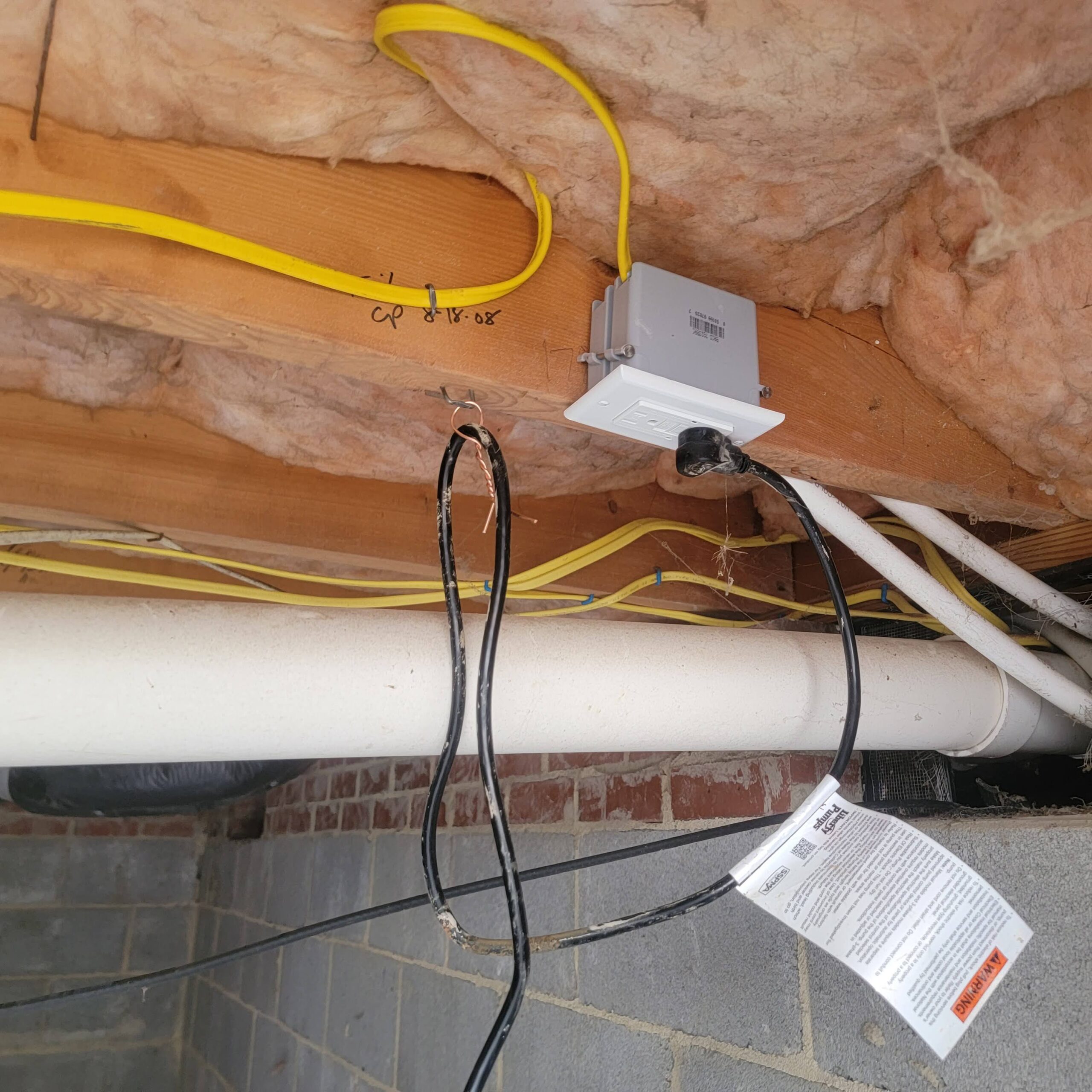
A garage fridge or freezer deserves a dedicated circuit, because shared circuits invite trouble you will not notice until food spoils. When a fridge shares a circuit with power tools, a single tripped breaker can shut down cooling for hours while you are away from the house. A dedicated 20 amp circuit keeps the appliance running on its own line, isolated from the surges that tools create. This matters even more in summer, when a hot garage forces the compressor to work harder and cycle more often. A standalone freezer holding a season of meat or garden harvest is exactly the kind of investment you do not want to lose to a nuisance trip. The cost of one dedicated circuit is small next to the value of what sits inside that appliance.
Garage receptacles carry a code requirement that surprises many homeowners with older fridges. Current electrical code requires garage outlets to be protected by ground fault circuit interrupter devices, since concrete floors and damp conditions raise the shock risk. Older refrigerators sometimes triggered nuisance trips on GFCI protection, which led people to skip it entirely on a fridge circuit. Modern GFCI breakers and newer appliances work together far better, so the old workaround is no longer the right answer. A licensed electrician installs the correct protection while keeping the circuit stable enough for steady appliance use. Skipping required GFCI protection is not only against code; it leaves a genuine shock hazard in a room where you stand on bare concrete. Doing it right protects both your food and the people who walk through the garage.
Placement and wiring quality decide how long that appliance lasts in a tough environment. A fridge needs a few inches of clearance for airflow, and the outlet should sit where the plug is not crushed against the wall. Running the circuit with proper 12 gauge wire on a 20 amp breaker gives the compressor the steady current it needs without voltage drop. Voltage drop on a long, undersized run makes a compressor run hot, and heat is the enemy of any motor. In a detached garage, the circuit may travel a long distance from the main panel, which makes correct wire sizing even more important. Our electricians calculate the run length and choose the right conductors so your fridge keeps humming for years. A few smart choices at the planning stage protect an appliance that runs every hour of every day.
Garage Wiring for Extra Storage Lighting and Outlets
Storage areas are easy to overlook, yet they benefit just as much from thoughtful garage wiring. Overhead racks, deep shelving, and seasonal bins all need light reaching into the back corners where shadows usually win. A single bulb in the center of the ceiling leaves most of your storage in the dark, so plan for several fixtures spread across the space. LED panels or linear shop lights provide clean, bright coverage and sip very little electricity over the years. Motion activated fixtures work well in storage zones, switching on the moment you walk in with your hands full of boxes. Bright, even light turns a cluttered storage area into a space where you actually find what you stored.
Outlets in storage zones serve more purposes than people expect, so spread a few around the perimeter. A charging station for cordless tool batteries, a spot for a seasonal dehumidifier, and an outlet for holiday lighting all draw from these receptacles. A dehumidifier earns its keep in a New Hampshire garage, where humid summer air and stored items can lead to mildew and rust. Placing outlets at a convenient height keeps cords off the floor and away from anything you might roll a bin across. General purpose 15 or 20 amp circuits handle these light loads easily, as long as they stay separate from your heavy workshop lines. Smart planning here keeps the storage zone flexible for the projects you have not even thought of yet.
Ceiling outlets unlock storage options that many homeowners never consider. A receptacle mounted in the ceiling can power an automatic garage door opener, an overhead heater for winter work, or even a retractable storage lift. Running power overhead also lets you mount lighting and outlets without trenching wire down through finished walls. This kind of work calls for careful routing through joists and proper securing of the cable so nothing sags or chafes over time. A licensed electrician knows exactly how to support and protect wiring in these locations to meet code. Adding capacity overhead now means your garage can grow with you, from extra storage today to a full workspace later. Thinking ahead at the wiring stage keeps every future upgrade simple.
Upgrading Your Electrical Panel and Circuits for Garage Wiring
Once you total up the workshop, the fridge, the storage lighting, and a few spare circuits, the demand often outgrows what your main panel can offer. Older homes around Laconia frequently run a 100 amp service that is already close to full with the house loads. Adding several new garage circuits to a packed panel is a recipe for tripped breakers and frustration. This is the point where a dedicated garage subpanel becomes the cleaner, safer solution. A subpanel acts as a local hub, feeding all your garage circuits from a single heavy feeder run from the main panel. It keeps the wiring organized, simplifies future additions, and gives you room to grow without touching the main service again.
Garage Wiring With a Dedicated Subpanel for More Power
A dedicated subpanel is the backbone of a well wired garage, and it solves the capacity problem in one move. Instead of running five or six individual circuits all the way back to the main panel, you run a single feeder to a subpanel mounted in the garage. From there, every workshop circuit, the fridge line, and the lighting all branch out neatly with their own breakers. This keeps the long, expensive wire runs to a minimum and leaves your main panel cleaner and easier to read. A subpanel also makes troubleshooting simple, since all your garage circuits live in one labeled box. For a workspace that might add tools and equipment over the years, that headroom is worth every penny.
Sizing the subpanel correctly is where professional judgment really matters. A 60 amp subpanel suits a modest workshop, while a serious shop with 240 volt machines and an EV charger may call for 100 amps or more. The feeder wire, the breaker in the main panel, and the subpanel rating all have to match the calculated load. Get any one of those wrong and you either starve the garage for power or create a dangerous mismatch. A licensed electrician runs the load calculation, checks your existing service capacity, and recommends a size that fits your real needs. This is not a place for guesswork, since an undersized feeder overheats and an oversized one wastes money. Need more circuits in your garage without crowding the main panel? Click here for our electrical subpanel installation service.
Installing a subpanel involves several code requirements that protect your home and family. The feeder must use the correct wire gauge, the grounding and neutral conductors must be separated properly in the subpanel, and a grounding electrode is required for a detached garage. These details exist for real safety reasons, and missing one can leave a fault current with nowhere safe to go. Permits and inspections also come into play, since a subpanel changes your home’s electrical system in a significant way. Our team handles the permitting, the load calculation, and the inspection so the work is documented and code compliant. A correctly installed subpanel is one of the best upgrades a garage can receive. It turns a power starved space into one ready for almost anything.
GFCI Protection and Code Requirements for Garage Wiring
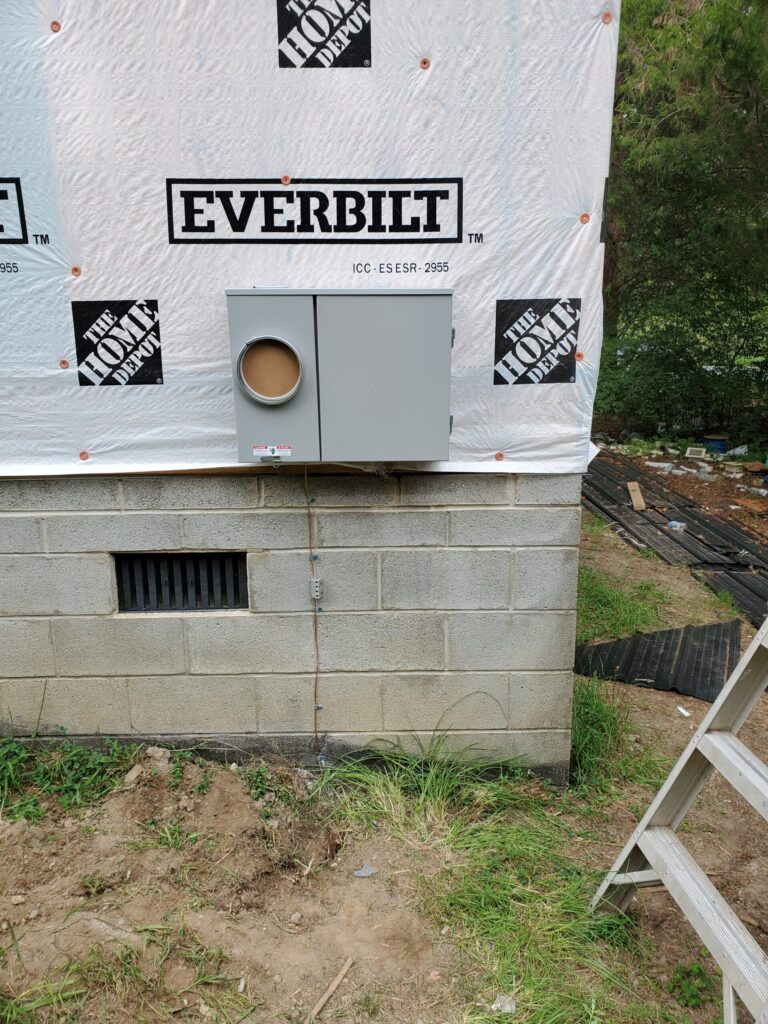
Garage wiring carries some of the strictest receptacle rules in the entire electrical code, and for good reason. You are often standing on a concrete floor, near water, near metal, and near tools that can fail, which raises the shock risk well above a typical living room. Current code requires ground fault protection on garage receptacles so the circuit cuts power in a fraction of a second when it senses a fault. This single device has prevented countless serious injuries in workshops and basements. A fault that would once have delivered a dangerous shock now simply trips the device and shuts off. Following this rule is not optional, and skipping it puts everyone who uses the garage at risk.
The way GFCI protection gets installed affects how reliable your garage feels day to day. Protection can come from a GFCI breaker in the panel or from GFCI receptacles at the point of use, and each approach has its place. A breaker protects the whole circuit at once, which is clean and simple for a run of outlets. Point of use devices let you isolate protection so one tripped outlet does not knock out an entire wall of receptacles. A licensed electrician chooses the right method based on your layout and the appliances on each circuit. Want safer garage outlets that meet current code? Click here for our GFCI outlet installation service.
Code requirements reach beyond GFCI protection into wiring methods, outlet placement, and circuit count. Exposed wiring in a garage often needs protection inside conduit, since a stray ladder or stored item can easily damage an unguarded cable. Outlets must sit at proper heights and spacing, and certain areas call for dedicated circuits by rule. These standards reflect decades of lessons learned from real fires and real injuries, so they are worth respecting fully. An electrician who works in New Hampshire daily knows both the national code and the local requirements that inspectors check. Following the code from the start means your project passes inspection and protects your family for the long run. Cutting corners only invites failed inspections and hidden hazards.
Choosing the Right Circuit Breakers for Garage Wiring
Circuit breakers are the guardians of every garage circuit, so choosing the right ones matters as much as the wiring itself. A breaker has one job, which is to cut power before a wire overheats or a fault turns dangerous. Matching the breaker to the wire gauge is the core rule, since a 20 amp breaker belongs with 12 gauge wire and a 15 amp breaker with 14 gauge. Putting an oversized breaker on undersized wire is one of the most dangerous mistakes in any electrical system. That mismatch lets the wire overheat long before the breaker ever notices a problem. A licensed electrician matches every breaker, wire, and load so each circuit protects itself the way it should.
Different garage circuits call for different types of breakers. Standard breakers handle general lighting and outlet loads, while 240 volt tools need double pole breakers sized to their draw. Some circuits benefit from combination devices that guard against both ground faults and arc faults, depending on what the code requires for the location. An arc fault device senses the dangerous sparking that frays cords and loose connections can cause before it grows into a fire. Selecting the right mix takes knowledge of both the code and the equipment you plan to run. The goal is steady protection without the constant nuisance trips that come from poor choices. Get the breaker selection right and the panel does its job quietly in the background.
A clean, well labeled panel makes your garage safer and easier to live with for years. Every breaker should be clearly marked so you know exactly which one controls the fridge, the lights, or the table saw. Loose connections inside a panel are a common cause of overheating, so torque and craftsmanship matter at every terminal. Leaving a few spare slots for future circuits is smart, since garages always seem to gain new equipment over time. Our electricians install, label, and test each breaker so your panel is both safe and simple to use. If your existing panel is full or outdated, we can also upgrade it as part of the project. A well built panel is the quiet hero of a properly wired garage.
Why You Need a Licensed Electrician for Garage Wiring
Garage wiring blends high loads, damp conditions, and strict code into one project, which is exactly why it belongs in professional hands. The mistakes that cause fires and shocks are often invisible, hidden inside walls and panels where a homeowner cannot see them. A licensed electrician brings the training, the tools, and the code knowledge to do the work right the first time. Permits and inspections protect your investment and your home’s value when you sell. Whiting Electrical Services has wired garages, workshops, and storage spaces across the Lakes Region for homeowners who want the job done correctly. The peace of mind that comes with safe, code compliant wiring is worth far more than the risk of cutting corners.
Schedule Professional Garage Wiring Before Your Next Project
Timing your garage wiring before the busy seasons gives you the smoothest experience. Summer projects move quickly when the weather cooperates and the space stays open and comfortable to work in. Booking early means your workshop, fridge circuit, and lighting are ready before fall projects and holiday storage arrive. A professional walks the space with you, listens to your plans, and designs a system that fits both today and tomorrow. That conversation often reveals smart additions you had not considered, like a future EV charger or overhead heat. Planning ahead turns a stressful scramble into a simple, scheduled upgrade.
A professional assessment also catches problems you might never spot on your own. Old aluminum wiring, an overloaded panel, or missing grounding can all hide in an older garage. Finding these issues during planning is far cheaper than discovering them after a failure. Our electricians inspect the existing system, test the panel capacity, and flag anything that needs attention. From there, you receive a clear plan with the circuits, the subpanel, and the protection your project needs. Starting from a solid assessment keeps the whole job on track and on budget.
Every garage is different, so a one size plan never serves you well. A woodworking shop has very different needs from a space built around a second fridge and seasonal storage. We tailor each design to your tools, your habits, and the way you actually use the room. That custom approach prevents both wasted spending and frustrating shortfalls in power. You end up with exactly the circuits you need and room to grow into the ones you might add later. A plan built around your real life is the foundation of a garage that works.
Garage Wiring Done Safely the First Time
Safe garage wiring protects the people and the property you care about most. Electrical fires often start from overloaded circuits, loose connections, and the extension cords that fill an underwired garage. Doing the work right removes those hazards instead of hiding them behind a wall. Proper GFCI protection, correctly sized circuits, and a clean panel work together to keep your family safe. These are the details that separate a quick patch job from a system you can trust for decades. Safety is never the place to gamble, especially in a room full of tools and stored goods.
Quality workmanship shows up in the parts you never see. Tight terminals, properly secured cable, and correct wire sizing all add up to a system that runs cool and reliable. Our electricians treat every connection with care, because a single loose lug can become a hot spot over time. We test each circuit before we leave, confirming that every outlet, light, and breaker performs the way it should. That attention to detail is what keeps a garage running smoothly long after the work is finished. Craftsmanship you cannot see is exactly what protects you the most.
Permits and inspections are part of doing the job right, not obstacles to avoid. A permitted, inspected project gives you documented proof that the work meets code, which matters at resale and for insurance. We handle the paperwork and coordinate the inspection so the process stays simple for you. An inspector’s sign off is one more layer of confidence that your garage is truly safe. This is the kind of accountability that protects homeowners for the long run. Skipping permits may seem faster, yet it leaves you exposed in ways that surface at the worst times.
Why Choose Whiting Electrical Services for Garage Wiring
Whiting Electrical Services brings a reputation built on trust, skill, and a true commitment to quality. We back our work with a Lifetime Craftsmanship Warranty, so you can count on the wiring we install for years to come. As a company trusted by names like Mr. Beast and WillScot for electrical projects, we hold ourselves to a high standard on every job, large or small. We are A Rated on the Better Business Bureau, which reflects our focus on honest, dependable service. From a single garage circuit to a full subpanel and workshop, we treat your project with the same care we would give our own home.
Our team knows the Lakes Region and the New Hampshire code requirements that keep your home safe and your project on track. We are also a Generac Certified Dealer and Service Provider, which helps when your garage plans grow toward backup power down the road. We proudly offer a 10% discount for veterans, first responders, and paramedics as a thank you for their service. Every customer receives clear communication, a tidy worksite, and wiring that meets code from start to finish. We are dedicated to providing a five star service every time, and our reviews reflect that promise.
Reach out today and let us help you turn your garage into a safe, powerful, and well lit space. You can call our team at (603) 512-3887 or email Info@whitingelectricalservices.com to schedule your garage wiring assessment. We will walk the space, plan the circuits, and deliver work you can trust for the long haul. From the first conversation to the final inspection, we make the process simple and stress free. Let Whiting Electrical Services wire your garage the right way, the first time.