
Generator Maintenance Steps to Take Before the First Storm Hits
New Hampshire summers bring fast moving thunderstorms, high winds, and the kind of power outages that can leave your home dark for hours or even days. Your standby generator is the one piece of equipment that keeps your lights on, your refrigerator cold, and your sump pump running when the grid goes down. The problem is that a generator only protects you when it has been maintained, tested, and checked ahead of time. Too many homeowners assume the unit will start on demand, only to find a dead battery or stale fuel during the first big storm of the season. Generator maintenance is the work you do now so the machine performs flawlessly later, and the best time to handle it is before storm season peaks. This guide walks through the exact steps that keep your standby unit reliable, covering fluids, batteries, fuel, transfer switches, and load testing. Each step builds on the last, and skipping any one of them can leave you stranded at the worst possible moment. Read on to learn how to prepare your generator the right way before the next outage rolls through the Lakes Region.
Generator Maintenance Tasks That Prepare Your Home Before the First Storm
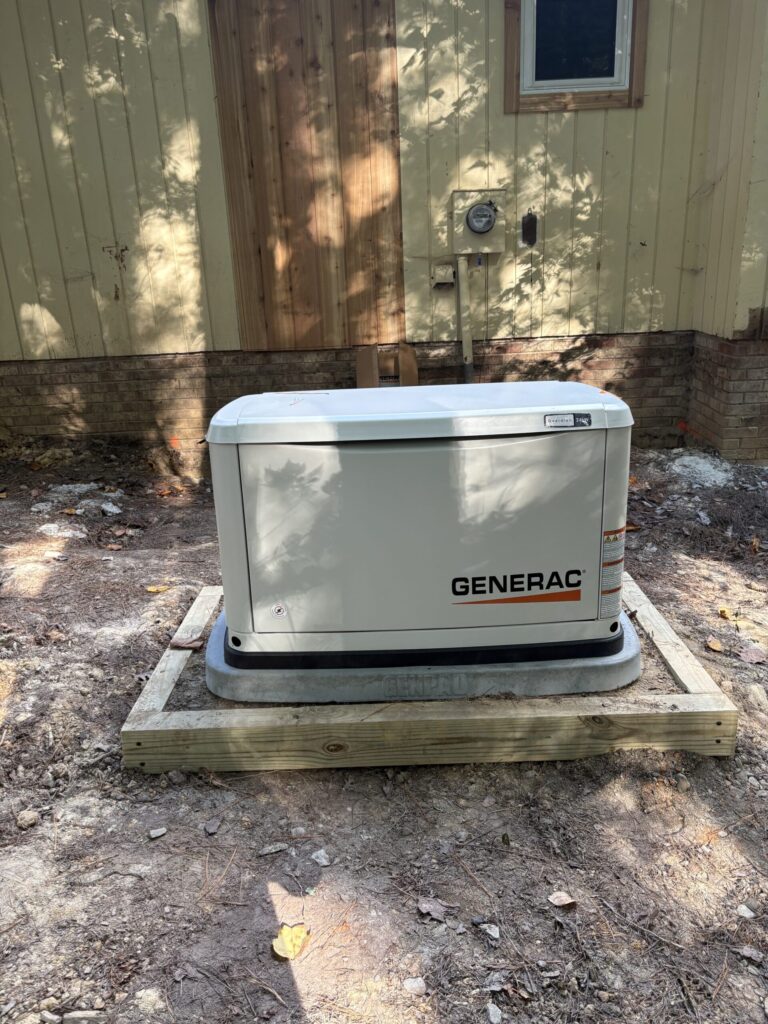
Getting your generator ready for storm season starts with a clear checklist of mechanical tasks that protect the engine and the electrical system. A standby generator is essentially a small power plant sitting outside your home, and like any engine it depends on clean oil, a charged battery, and fresh fuel to run when called. Many of these tasks mirror what you would do for a car, but the stakes are higher because your generator sits idle for weeks at a time and then must start instantly during an emergency. Skipping routine service is the leading reason generators fail to start during outages, and most of those failures trace back to simple, preventable issues. The good news is that a thorough inspection now catches small problems before they grow into expensive repairs or dangerous backfeed situations. Below we break down the three core maintenance categories every homeowner should address before the first storm. If you would rather have a certified technician handle the entire process, click here for our generator maintenance service and we will take care of it from start to finish.
Generator Maintenance Fluid and Oil Checks Before the First Storm
Oil is the lifeblood of your generator engine, and checking it should be the very first task on your pre storm list. Over time, engine oil breaks down, collects contaminants, and loses the ability to lubricate moving parts the way it did when fresh. A generator that runs on dirty or low oil will overheat, wear out internal components, and eventually seize, which turns a routine service into a major repair bill. Pull the dipstick, wipe it clean, reinsert it, and read the level against the full mark to confirm you have enough oil in the crankcase. While you are at it, look closely at the color and consistency of the oil; dark, gritty, or milky oil signals that a change is overdue. Most standby generators need an oil change after the first 25 hours of operation and then every 100 to 200 hours or once a year, so check the run hour meter on your unit. If you are unsure when the last change happened, replace both the oil and the oil filter to start the season with a clean baseline.
Coolant levels deserve the same attention on liquid cooled generators, which are common in larger whole home installations. The coolant keeps the engine from overheating during the long runtimes that follow an extended outage, and a low or contaminated mixture can lead to engine damage within hours. Inspect the coolant reservoir, confirm the level sits between the minimum and maximum lines, and look for any signs of rust or sludge in the mixture. Cracked or swollen coolant hoses are another red flag, since a burst hose during operation will dump fluid fast and force the engine to shut down. Air cooled generators do not use coolant, but they rely heavily on clean airflow, which we cover later in this guide. Either way, topping off and inspecting fluids now prevents the kind of overheating failures that strike at the worst moment. A few minutes with a flashlight and a rag can save you from a cold, dark night.
Fuel related fluids matter just as much, especially the way condensation can sneak into your system over a humid New Hampshire summer. Moisture in the fuel line or tank promotes corrosion and can cause rough running or hard starts when you need reliable power most. For diesel units, draining any water from the fuel water separator is a simple but critical step that many owners overlook. Check for oil leaks around the engine block, gaskets, and drain plugs, since even a slow drip points to a seal that needs attention before heavy use. Wipe down the unit so you can spot fresh leaks during your next inspection, because a clean engine makes new problems obvious. Keep a log of every fluid check and change with dates and run hours so you have a clear service history. That record helps your technician diagnose issues quickly and keeps your warranty coverage intact.
Generator Maintenance Battery and Starting System Checks Before the First Storm
A dead battery is the single most common reason standby generators fail to start during a storm, which makes the starting system your next priority. Your generator relies on a battery to crank the engine the instant the grid drops, and a weak or corroded battery simply cannot deliver that burst of power. Batteries lose capacity as they age, and most generator batteries need replacement every three to five years even with good care. Start by inspecting the terminals for white or greenish corrosion, which builds up over time and chokes the flow of current. Clean any buildup with a wire brush and a baking soda solution, then tighten the connections so they are snug and secure. Loose or dirty terminals create resistance that can prevent the engine from cranking at all, so this small step pays off big.
Testing the battery voltage gives you a clear picture of its health before you stake an outage on it. A fully charged 12 volt generator battery should read around 12.6 to 12.8 volts at rest, and anything below 12.4 volts signals a battery that is losing its charge. Many standby units include a trickle charger or battery maintainer that keeps the battery topped off between runs, so confirm that charger is working and plugged in. If your generator has run its weekly self test cycles, those brief runs also help keep the battery active and ready. Still, a maintainer cannot revive a battery that has reached the end of its service life, so replace aging batteries proactively rather than waiting for a failure. The cost of a new battery is small compared to the cost of a spoiled refrigerator full of food or a flooded basement from a stalled sump pump.
Beyond the battery itself, the broader starting system includes the cables, the solenoid, and the charging circuit, all of which deserve a quick inspection. Look at the battery cables for cracks, fraying, or brittleness, since damaged cables can interrupt the high current draw needed to start the engine. Confirm that the charging alternator on the generator is keeping the battery charged during operation, because a faulty charging circuit will slowly drain the battery between outages. If your unit logs error codes or warning lights related to the battery, address those before storm season rather than dismissing them. A generator that struggles to start or cranks slowly is telling you something is wrong, and ignoring those signs almost guarantees a failure when you need power. When in doubt, have a professional run a full diagnostic on the starting system. Catching a weak component now keeps your generator dependable through the entire storm season.
Generator Maintenance Fuel System Checks Before the First Storm
Fuel quality determines whether your generator runs smoothly or sputters out during an outage, so the fuel system earns a careful inspection before the first storm. Standby generators typically run on natural gas or propane, while portable units use gasoline, and each fuel type comes with its own maintenance needs. Natural gas units draw from your home supply line, so confirm the gas line is open, free of leaks, and delivering steady pressure to the unit. Propane powered generators rely on a tank, so check that your propane level is high enough to power your home through a multi day outage. A storm is the wrong time to discover an empty tank, and refill deliveries often slow to a crawl during widespread outages. Topping off your propane now gives you a comfortable buffer when the weather turns.
Gasoline poses the biggest fuel challenge because it degrades quickly and can ruin a generator that sits unused for months. Stale gasoline forms gum and varnish deposits that clog carburetors, fuel lines, and injectors, leading to hard starts and rough running. If you own a portable generator, drain old fuel from the tank and carburetor or treat fresh fuel with a quality stabilizer to extend its shelf life. Inspect the fuel lines for cracks, soft spots, or leaks, since aging rubber lines can fail and create a fire hazard near a hot engine. Replace any fuel filter that looks dirty or has been in service longer than the manufacturer recommends. Clean fuel and clean filters keep the engine breathing properly and starting on the first try.
Leak detection is the safety side of fuel system maintenance, and it protects both your home and your family. The smell of gas or propane around your generator is a serious warning sign that demands immediate attention, so shut the unit down and call a professional right away. Use a soapy water solution on gas fittings and watch for bubbles, which reveal even tiny leaks that your nose might miss. Confirm that all fuel connections are tight and that no rodents have chewed through lines over the off season, a surprisingly common problem in rural New Hampshire. A properly sealed fuel system runs cleaner, lasts longer, and keeps dangerous fumes away from your home. If you suspect any fuel problem you cannot resolve yourself, click here for our generator repair service and we will inspect and fix the issue safely. Handling fuel correctly is not just about performance; it is about protecting everyone under your roof.
Generator Maintenance Testing and Safety Steps Before Storm Season
Once the mechanical checks are complete, the next phase of generator maintenance focuses on testing the system as a whole and confirming it will perform under real load. A generator can have fresh oil, a strong battery, and full fuel and still fail to power your home if the transfer switch malfunctions or the unit cannot handle the electrical demand. Testing matters because it simulates the conditions of an actual outage in a controlled setting where you can catch and fix problems calmly. Many homeowners never run a full test until a storm forces the issue, which is exactly when hidden faults surface. The steps below confirm that your generator, transfer switch, and cooling system all work together as designed. These tests also give you the peace of mind that comes from knowing your backup power is truly ready. A unit that passes these checks is one you can trust through the worst weather the season throws at you.
Generator Maintenance Transfer Switch Testing Before Storm Season
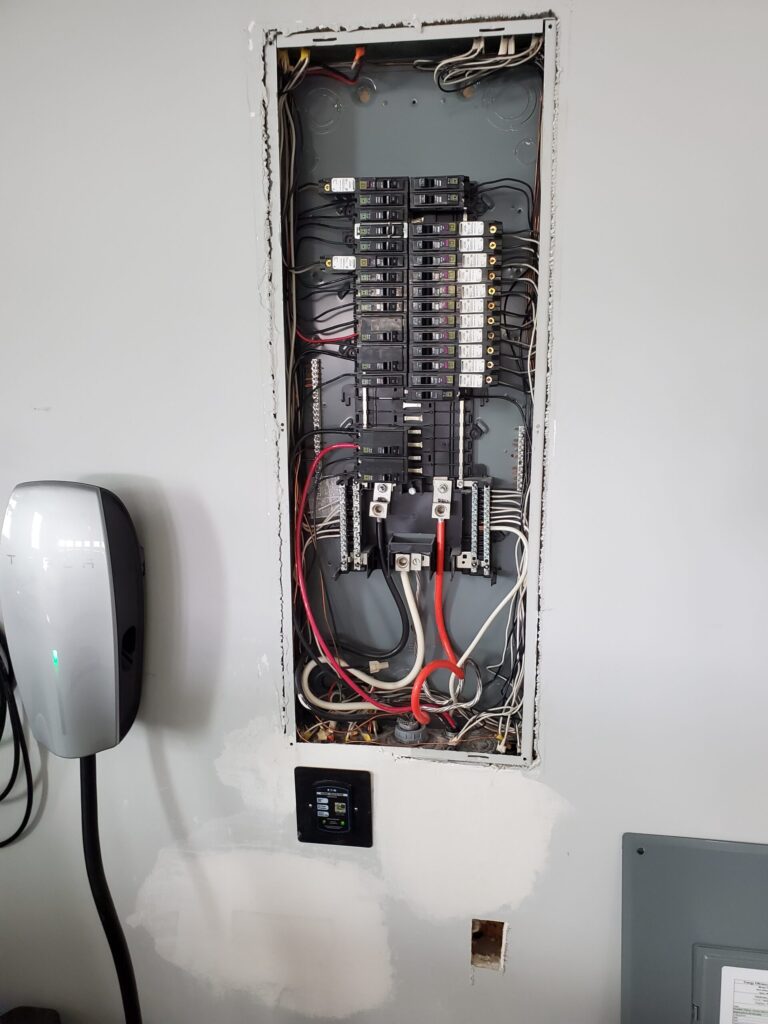
The transfer switch is the brain of your standby generator system, and testing it is one of the most important steps before storm season. This device senses when utility power drops, signals the generator to start, and safely switches your home over to generator power without any action from you. It also performs the critical job of isolating your home from the grid, which prevents dangerous backfeed that could injure utility workers repairing nearby lines. A faulty transfer switch can leave your generator running while your home stays dark, defeating the entire purpose of the system. Testing the switch confirms that the handoff between grid power and generator power happens smoothly and automatically. This is one area where a small fault has big consequences, so it deserves close attention.
Running a transfer switch test usually involves simulating a power outage to watch the full sequence play out from start to finish. Most modern Generac units include an automatic test mode or weekly exercise cycle that runs the generator briefly and confirms the switch responds correctly. During a manual test, you cut utility power at the main, time how long the generator takes to start, and confirm that power transfers to your home within the expected window. A healthy system typically transfers power within ten to thirty seconds of an outage, so a longer delay points to a problem. Watch for unusual noises, error codes, or hesitation during the switch, and note anything that seems off. Restoring utility power should also transfer your home back to the grid smoothly and shut the generator down after a cooldown period.
Transfer switch maintenance also includes a physical inspection of the wiring, connections, and the enclosure itself. Loose terminals, scorched contacts, or signs of arcing inside the switch indicate a serious safety issue that needs professional attention immediately. Moisture, insects, and rodents can all infiltrate a transfer switch enclosure over time, so confirm the seals are intact and the interior stays dry. Because the transfer switch handles your home full electrical load, this is not a component to experiment with if you lack electrical training. An incorrectly wired or damaged transfer switch can cause fires, equipment damage, or electrocution, which is why licensed electricians handle these repairs. If your transfer switch shows any warning signs, have a certified technician inspect it before you rely on it during a storm. Proper transfer switch testing is the difference between a generator that protects your home and one that sits useless while the lights stay off.
Generator Maintenance Load Test Steps Before Storm Season
A load test confirms that your generator can actually carry the electrical demand of your home, not just idle quietly in the driveway. Running a generator with no load attached tells you very little, because the real test is how the unit performs when your refrigerator, well pump, furnace blower, and lights all draw power at once. Load testing pushes the generator to a realistic percentage of its rated capacity and reveals weaknesses that idle runs never expose. A unit that runs fine unloaded but stumbles under load may have fuel delivery problems, a weak engine, or a failing alternator. This test matters most for homeowners who have added appliances or circuits since the generator was installed, since the load may now exceed what the unit was sized for. Confirming adequate capacity now prevents the frustration of a generator that trips offline mid storm.
The exercise cycle that most standby generators run weekly provides a basic level of testing, but it does not always apply a meaningful load. A true load test simulates real demand, sometimes using a load bank or simply by running your home on generator power for an extended period. During the test, watch the generator hold a steady voltage and frequency rather than surging or dipping as appliances cycle on and off. Listen for the engine bogging down, and watch for any warning lights or shutdowns that signal the unit is struggling. A healthy generator maintains clean, stable power output even as the load shifts, which is exactly what your sensitive electronics need. Unstable power can damage computers, televisions, and appliance control boards, so stable output protects your investments.
Load testing also exposes problems with how your circuits are prioritized during an outage, which matters for homes with managed load systems. Some generators are sized to power only essential circuits, and a load management system sheds non essential loads to keep the generator from overloading. Testing confirms that this prioritization works correctly and that critical systems like your sump pump and refrigerator stay powered. If your generator trips or overloads during the test, you may need a larger unit, a load management upgrade, or a review of your circuit priorities. Pairing your generator with whole house surge protection adds another layer of defense, since storms bring voltage spikes that can damage electronics even when your generator runs perfectly. A professional load test gives you a clear answer about your generator true capacity and readiness. Knowing your unit can handle the load means you never have to guess during an actual emergency.
Generator Maintenance Air Filter and Cooling Checks Before Storm Season
Air filters and cooling systems keep your generator from overheating during the long runtimes that follow a major storm, so they earn a spot on your pre season checklist. The engine needs a steady supply of clean air to burn fuel efficiently, and a clogged air filter chokes that airflow and forces the engine to work harder. A restricted filter reduces power output, increases fuel consumption, and can cause the engine to run hot and shut down. Remove the air filter, inspect it for dirt, debris, and insect nests, and replace it if it looks dirty or has been in service too long. New Hampshire pollen, dust, and seed fluff accumulate fast over a summer, so air filters often need attention more frequently than owners expect. A clean filter is one of the cheapest and most effective ways to keep your generator running strong.
Cooling fins and air intakes on air cooled generators need to stay clear so the engine can shed heat properly. Grass clippings, leaves, mud dauber nests, and cobwebs all block airflow around the engine and trap heat where it does the most damage. Clear away any vegetation growing near the unit, since plants and shrubs can choke the intake and exhaust over a single growing season. Confirm there is adequate clearance on all sides of the generator, typically several feet, so air circulates freely and exhaust vents away from your home. Overheating is a common cause of mid outage shutdowns, and most cases trace back to blocked airflow that a simple cleaning would have prevented. Keep the area around your generator tidy throughout the season, not just before storms.
Liquid cooled generators add a radiator and coolant system to the cooling equation, and both need inspection before heavy use. Check the radiator for blockages, bent fins, and debris that could restrict airflow across the cooling core. Confirm the coolant is at the proper level and mixed correctly, and look for leaks at the hoses, clamps, and water pump. The cooling fan and its belt should be in good condition, since a broken belt or seized fan leads to rapid overheating. A generator that overheats during a multi day outage can suffer serious engine damage that ends its service life early. Keeping the cooling system clean and the coolant fresh protects your investment and keeps the power flowing when you need it most. These small checks add up to a generator that runs cool, steady, and reliable through the longest outages.
Why You Need Professional Generator Maintenance Before the First Storm
Doing your own generator checks is a smart habit, but professional generator maintenance brings a level of thoroughness and expertise that protects your home and your investment. A certified technician inspects components you might overlook, diagnoses early warning signs, and confirms that every system meets manufacturer and code requirements. Generators are complex machines that combine an engine, an electrical system, and fuel handling, and a small mistake during service can create real safety risks. Professional service also keeps your manufacturer warranty valid, since most warranties require documented maintenance by qualified technicians. When a storm rolls through New Hampshire and the grid goes down, you want absolute confidence that your generator will start and carry your home. That confidence comes from professional maintenance performed before the first storm of the season. Investing in expert service now saves you from costly failures and dangerous situations later.
Professional Generator Maintenance Protects Your Home During Storm Season
Professional generator maintenance protects your home by catching problems that a quick homeowner inspection often misses. Trained technicians use diagnostic tools to read error codes, measure electrical output, and test components under realistic conditions. They know the common failure points for each generator brand and model, including the Generac units we service as a certified dealer. By identifying a weak battery, a failing transfer switch, or a fuel issue early, professionals prevent the kind of failure that leaves your home dark during an emergency. They also confirm that your generator meets local electrical codes and safety standards, which protects your family and your property.
A professional service visit covers the full system rather than just the parts that are easy to reach. Technicians inspect the engine, the alternator, the transfer switch, the fuel system, and the cooling system in one comprehensive appointment. They perform load testing the right way, with proper equipment, to confirm your generator handles your home demand. This complete approach gives you a clear, accurate picture of your generator health going into storm season. When every component checks out, you can ride out an outage knowing your backup power is genuinely ready.
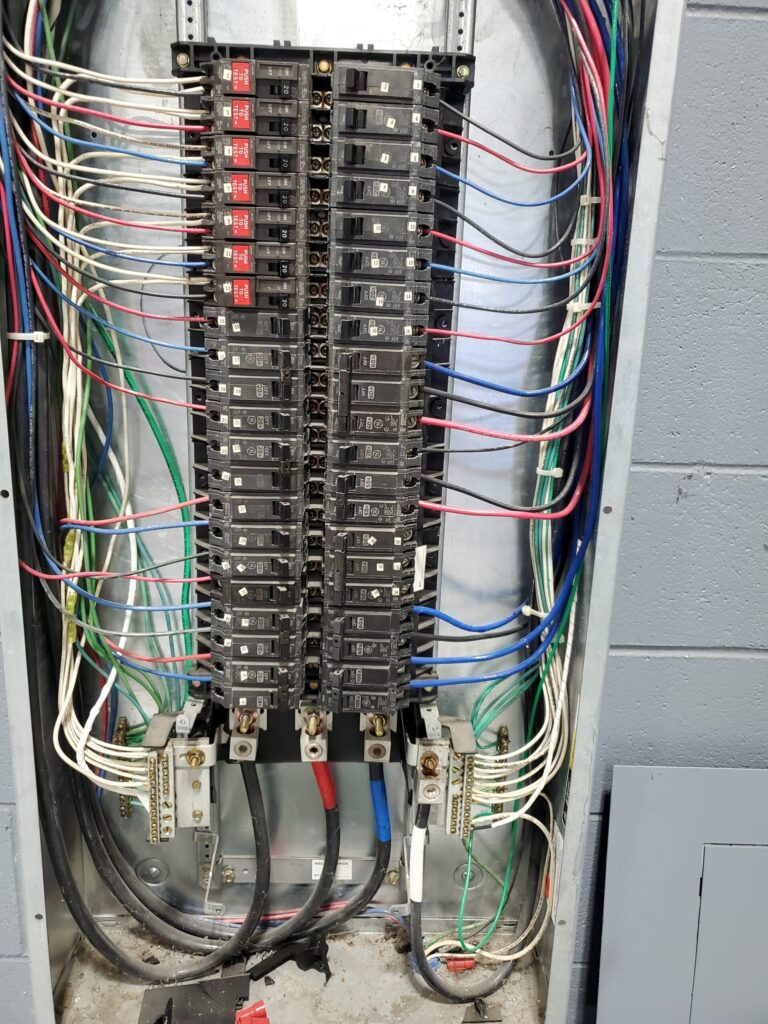
Safety is the strongest reason to bring in a professional for generator maintenance before storm season. Working with fuel, high voltage electricity, and a transfer switch that ties into your main panel carries real risks for an untrained homeowner. A licensed electrician handles these systems safely and corrects any hazards before they cause harm. Improper generator work can lead to backfeed, fires, carbon monoxide risks, or electrocution, which is why expertise matters here. Trusting a professional with your generator maintenance keeps your home protected and your family safe through every storm.
Professional Generator Maintenance Saves Money and Time During Storm Season
Professional generator maintenance saves money by preventing the major repairs that come from neglected equipment. A small problem caught during routine service, such as a worn belt or a degrading battery, costs a fraction of the repair bill for a failed engine or a damaged transfer switch. Regular maintenance also extends the overall lifespan of your generator, protecting the substantial investment you made when you installed it. Generators that receive consistent professional care run more efficiently, use less fuel, and deliver more reliable power over the years. Skipping maintenance to save a little now almost always leads to bigger expenses down the road.
Professional service also saves you time and stress, especially during the chaos of a widespread outage. When you maintain your generator ahead of the season, you avoid the scramble of emergency repair calls when every electrician in the region is booked solid. A scheduled maintenance visit fits neatly into your calendar, while a storm failure forces you to wait in line behind everyone else. Documented service history also speeds up any warranty claims and helps technicians diagnose future issues faster. Planning ahead simply makes your life easier when the weather turns severe.
The value of reliable backup power becomes obvious the moment the grid goes down and your neighbors sit in the dark. A well maintained generator keeps your food cold, your home comfortable, and your sump pump running, which prevents spoiled groceries and flooded basements. Those avoided losses often exceed the cost of regular maintenance many times over. For homes with medical equipment or remote work needs, dependable power is not a luxury but a necessity. Professional generator maintenance turns your investment into the reliable safety net it was meant to be.
Why Choose Whiting Electrical Services for Generator Maintenance
Whiting Electrical Services brings the experience, certifications, and dedication that New Hampshire homeowners need for dependable generator maintenance. As a Generac Certified Dealer and Service Provider, our technicians are trained and authorized to service the leading standby generators on the market. We back our work with a Lifetime Craftsmanship Warranty, and our A rating from the Better Business Bureau reflects our commitment to quality and honesty. Trusted by major clients like Mr. Beast and WillScot for electrical projects, we bring that same professionalism to every home in the Lakes Region. Our team is dedicated to providing a 5 star service every time you call.
We serve homeowners across Laconia, Gilford, Meredith, Concord, Belmont, and the surrounding communities with reliable, prompt electrical service. We also proudly offer a 10% discount for veterans, first responders, and paramedics as a thank you for their service. Our technicians treat your home with respect, explain every step of the work, and stand behind everything we do. When you want a generator that performs flawlessly during the next storm, our team delivers the thorough maintenance that makes that possible. We believe in honest work, clear communication, and results you can count on when the power goes out.
Do not wait for the first storm to find out your generator is not ready. Schedule your professional service today and click here for our generator maintenance service to get on our calendar before storm season peaks. If your unit needs a fix, our generator repair service gets you back to full readiness fast. Whiting Electrical Services is here to keep your home powered, protected, and prepared all season long. Call us today at (603) 512-3887 to book your generator maintenance and ride out the next New Hampshire storm with complete confidence.