Why Your Circuit Breaker Keeps Tripping and When to Worry
A circuit breaker that keeps tripping is one of the most common electrical problems homeowners face during a New Hampshire summer. The breaker is doing its job when it shuts off power; it senses a problem on the circuit and cuts the flow of electricity to keep your wiring safe. Summer heat puts real stress on your electrical system because air conditioners, dehumidifiers, and pool pumps all pull heavy current at the same time. When too much demand lands on a single circuit, the breaker trips and the lights go out. Sometimes the fix is simple, like moving a few devices to another outlet. Other times a tripping breaker points to a hidden fault in the wiring, the panel, or a large appliance. Knowing the difference protects your home and your family. This guide explains the main reasons a circuit breaker keeps tripping and shows you the warning signs that mean it is time to call a licensed electrician.
What Causes a Circuit Breaker to Keep Tripping
Before you can stop a circuit breaker from tripping, you need to understand what the breaker is reacting to. Every breaker carries an amperage rating, usually 15 or 20 amps for common household circuits. When the current on that circuit rises above the safe limit, the internal mechanism heats up or senses a fault and snaps the switch to the off position. There are three primary causes behind a breaker that keeps tripping: an overloaded circuit, a short circuit, and a ground fault. Each one has its own cause and its own level of risk. A quick reset works when the trip was a one time overload. Repeated tripping tells you the problem has not been solved. The sections below break down each cause so you can spot which one is happening in your home.
The Overloaded Circuit Behind a Tripping Circuit Breaker
An overloaded circuit is the number one reason a circuit breaker keeps tripping in a typical home. Overload happens when the devices plugged into one circuit demand more current than the breaker is rated to carry. Picture a 15 amp bedroom circuit running a window air conditioner, a television, a phone charger, and a fan at once. The combined draw pushes past 15 amps, the breaker heats up, and it trips to stop the wires from overheating. This is the system working exactly as designed, since overheated wiring is a leading cause of house fires. During summer, overloads spike because cooling equipment runs for hours and pulls steady, heavy current. You may notice the same breaker tripping every afternoon when the heat peaks and the air conditioner works hardest.
Finding the overloaded circuit takes a little detective work, but the pattern usually points the way. Start by noting which lights and outlets lose power when the breaker trips, because they all share the same circuit. Add up the large loads on that circuit and compare them to the breaker rating printed on the switch. Big draws like air conditioners, microwaves, hair dryers, and vacuums are the usual suspects. Moving one or two of those devices to an outlet on a different circuit often stops the tripping right away. Kitchens and bathrooms cause frequent overloads because so many high wattage appliances live in small spaces. Simple habit changes, such as running the microwave and the toaster at separate times, can make a real difference in how often the breaker trips.
A repeated overload is more than an annoyance; it is a sign your home may not have enough circuits for the way you live today. Older houses in the Lakes Region were wired long before central air, home offices, and modern kitchens existed. When you keep overloading the same circuit, adding a dedicated circuit is often the correct fix. A licensed electrician can run a new circuit from the panel to serve the heavy load on its own, which removes the strain. In some cases the whole panel is undersized, and an electrical service upgrade delivers more capacity to the entire house. If you keep resetting the same breaker every day, that is your signal to have the load evaluated by a professional. Ignoring a chronic overload keeps your wiring under stress and shortens its usable life.
The Short Circuit That Makes a Circuit Breaker Keep Tripping
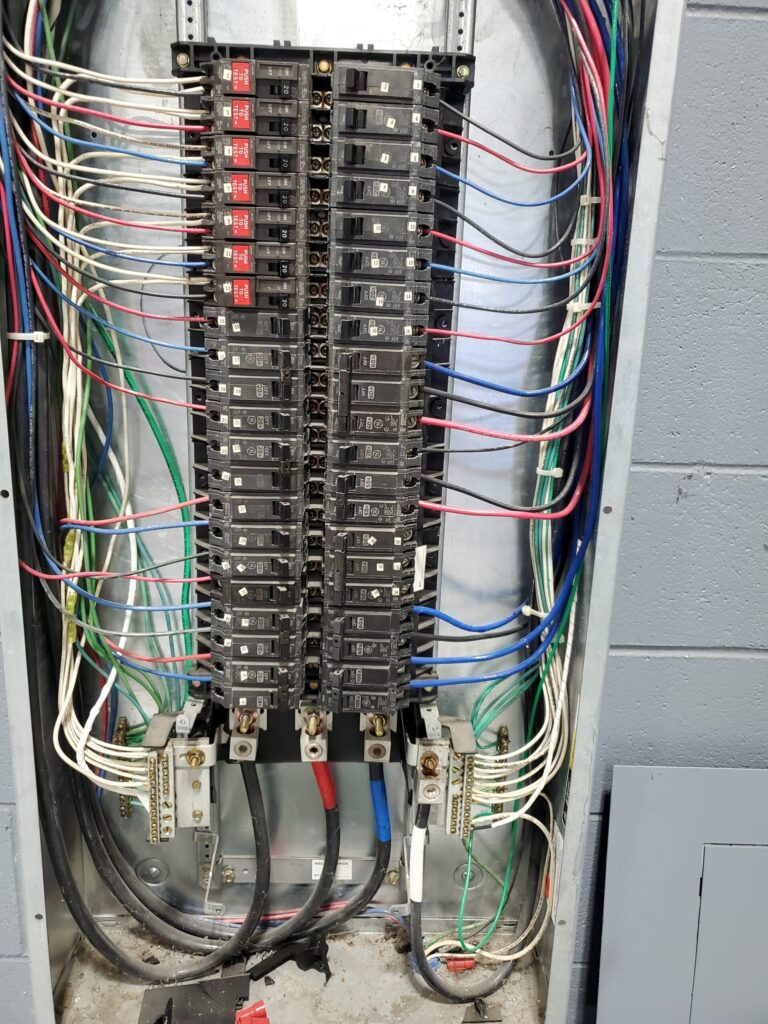
A short circuit is a more serious reason a circuit breaker keeps tripping, and it deserves quick attention. A short happens when a hot wire touches a neutral wire or another hot wire directly, with almost no resistance between them. That contact lets a massive surge of current flow in a fraction of a second. The breaker senses the spike and trips instantly to prevent a fire. Unlike a gentle overload, a short circuit often trips the breaker the very moment you reset it. You may hear a pop, smell burning plastic, or see a black scorch mark near an outlet or switch. These signs mean the fault is real and the circuit is not safe to use.
Short circuits come from damaged wiring, failed appliances, loose connections, and rodent chewed cables. A frayed cord on a lamp or power tool can create a short the instant it is plugged in. Inside walls, a nail or screw driven into a cable during a remodel can nick the insulation and cause an intermittent short that trips the breaker at random times. Loose wire connections inside outlets and junction boxes heat up, arc, and eventually short out. In older Laconia homes, decades of heat and vibration slowly loosen terminals that were once tight. Tracking a short to its exact source requires testing tools and training, so this is not a repair to attempt with the power on. Our team uses meters and careful isolation to find the fault without guessing.
A short circuit should never be reset over and over in the hope it clears, because each attempt sends dangerous current through compromised wiring. Repeated resets can melt insulation, damage the panel, and raise the fire risk with every try. If you have unplugged the obvious devices and the breaker still trips immediately, the fault is inside the wiring or the panel itself. That situation calls for a licensed electrician who can safely open the circuit, test each section, and replace the damaged part. Whiting Electrical Services offers fast, reliable help for exactly this kind of hidden fault. Need a breaker that trips the instant you reset it fixed correctly? Click here for our circuit breaker repair service. Getting a short repaired the right way protects your home and restores power safely.
The Ground Fault Reason a Circuit Breaker Keeps Tripping
A ground fault is the third major reason a circuit breaker keeps tripping, and it is closely tied to safety around water. A ground fault happens when a hot wire touches a grounded surface, such as a metal box, a pipe, or the ground wire itself. The stray current looks for the fastest path to earth, and that path can run through a person who touches the appliance. To stop that danger, code requires ground fault protection in kitchens, bathrooms, garages, basements, and outdoor areas. A GFCI outlet or a GFCI breaker senses the tiny imbalance a ground fault creates and cuts power in milliseconds. That response is fast enough to prevent a deadly shock. Summer raises the odds of ground faults because outdoor outlets, pool equipment, and damp basements all invite moisture into the system.
Moisture is the most common trigger for a ground fault in the warm months. Rain, sprinklers, and pool splash all find their way into outdoor receptacles and light fixtures. When water bridges the gap between the hot conductor and ground, the GFCI trips to keep everyone safe. A tripping outdoor breaker after a storm often points to water sitting inside a box or a fixture. Damaged appliance cords and worn insulation create ground faults too, especially on tools stored in damp garages and sheds. Pool pumps, hot tub heaters, and landscape lighting live in wet conditions and fail this way over time. Drying out the box and replacing a bad seal frequently solves the problem, but the true source needs to be confirmed by testing.
A ground fault that keeps tripping should not be bypassed or ignored, because that protection is guarding against shock. Some homeowners are tempted to swap a GFCI device for a standard one to stop the nuisance trips, and that choice is both unsafe and against code. The correct response is to find the source of the leak and repair it properly. An electrician can test the circuit, inspect the wet locations, and confirm the ground fault protection still works as intended. If your pool wiring or hot tub circuit keeps tripping, the equipment bonding and grounding need a professional inspection. Proper grounding keeps stray current from reaching you, your family, and your pets. This is safety work that is worth doing correctly the first time.
When to Worry About a Circuit Breaker That Keeps Tripping
Not every tripped breaker is an emergency, but some situations demand immediate action. A single trip after you started too many appliances is usually harmless once you reduce the load. The concern rises when the same breaker trips again and again, trips with nothing unusual plugged in, or refuses to stay on at all. Your senses give you the best early warning here, since a burning smell, warmth at the panel, or a buzzing sound all signal real danger. Aging breakers and outdated panels add another layer of risk that many homeowners never think about. The goal is to know which signs mean call now and which signs mean a simple adjustment. The following sections show you exactly when a tripping circuit breaker is telling you to worry.
Warning Signs a Tripping Circuit Breaker Is Dangerous
Certain warning signs turn an ordinary tripping circuit breaker into a genuine hazard you should not ignore. The clearest red flag is any smell of burning plastic or hot metal coming from the outlets, switches, or the panel. That odor means insulation or a connection is overheating, and heat inside a wall is the first step toward a fire. A panel or breaker that feels warm or hot to the touch is another serious signal. You should also worry about scorch marks, discoloration, or melted spots around outlets and on breaker faces. A buzzing, crackling, or sizzling sound near the panel points to arcing, which produces intense heat in a tiny space. Any of these signs means you should stop using the circuit and call a licensed electrician right away.
Repeated tripping without a clear cause is another warning sign worth taking seriously. If a breaker trips when very little is plugged in, the fault is likely inside the wiring or the breaker itself rather than an overload. A breaker that will not reset at all, or that trips again within seconds every time, is protecting you from a live fault. Frequent trips that happen at random hours suggest an intermittent short or a failing connection hidden in the walls. Flickering lights, warm outlet covers, and a mild tingle when you touch an appliance belong on this list too. These symptoms rarely fix themselves and usually get worse as time passes. When the pattern does not add up, professional testing finds what a simple reset never can.
Water and burning smells together create the most urgent scenario of all. If a breaker trips right after water has entered the panel or an outlet, keep away from the equipment and shut off the main power if you can reach it safely. Standing water near electrical gear turns the whole area into a shock hazard. In that case, an emergency electrician is the right call, and you can reach our team through our emergency electrician service. Do not try to reset a breaker while standing on a wet floor or touching a damp surface. Your safety comes before restoring power, every single time. When the warning signs stack up, trust them and get help fast.
When a Tripping Circuit Breaker Means an Aging Panel
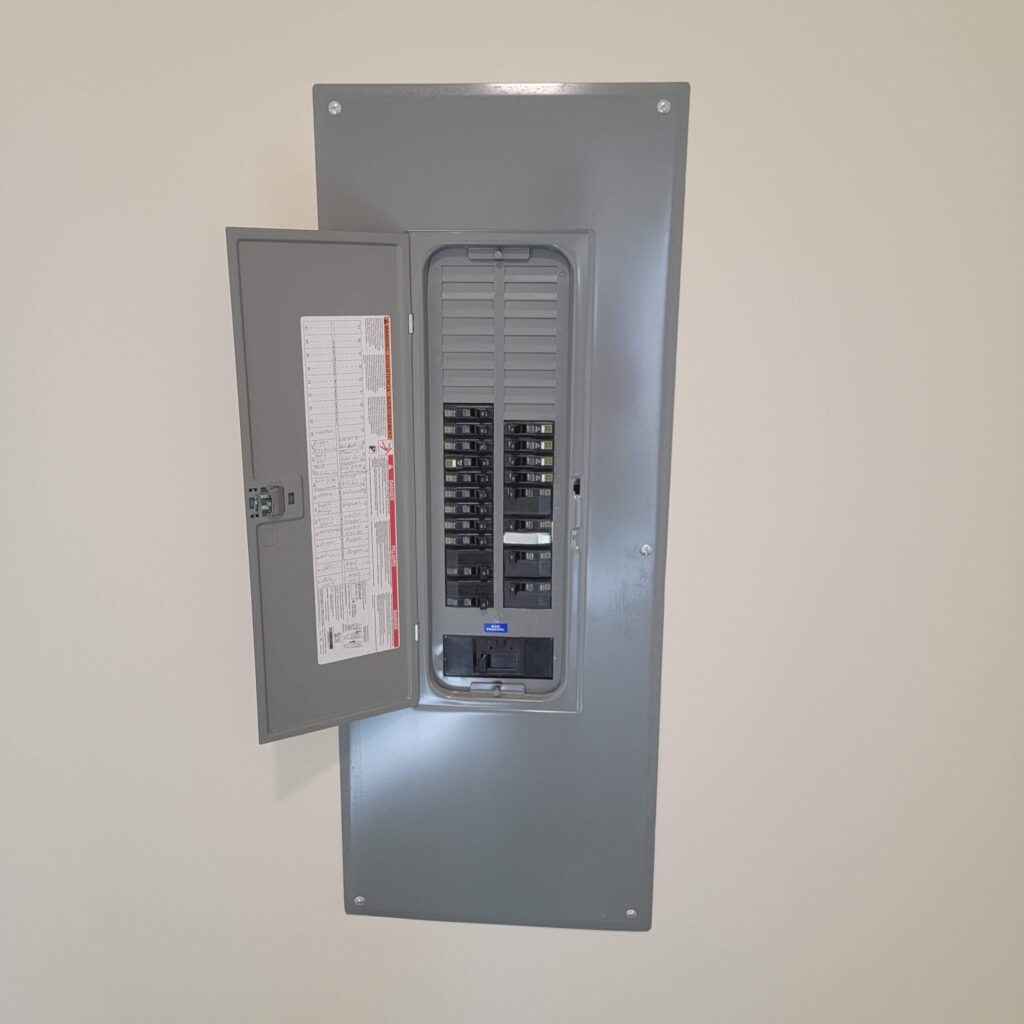
Sometimes a circuit breaker keeps tripping because the panel behind it has simply grown old and tired. Breakers are mechanical devices, and the springs and contacts inside them wear out after years of heating and cooling. A worn breaker can start tripping at loads it once handled with ease, or it can fail to trip when it should. Panels installed decades ago may also be too small for the electrical demand of a modern household. In the Lakes Region, plenty of homes still run on panels sized for a much lighter lifestyle. When the panel is maxed out, adding one more appliance tips circuits into constant tripping. An electrician can measure the real load and tell you if the panel has reached its limit.
Some older panels carry a safety record that makes them a priority for replacement. Certain brands installed in past decades have a history of breakers that fail to trip during a fault, which defeats the entire purpose of the panel. Homes with these panels can experience overheating and fire risk that a homeowner never sees coming. If your panel dates back many years and you do not know its condition, an inspection is a smart move. An electrician can identify the brand, check for signs of overheating, and recommend a safe path forward. Replacing an unsafe panel is one of the best investments you can make in your home. It protects everything and everyone the wiring serves.
Upgrading an aging panel does more than stop nuisance tripping; it prepares your home for the way you live today. A modern panel offers more circuits, higher capacity, and room for future additions like an EV charger or a hot tub. New breakers respond correctly to overloads, shorts, and ground faults, which restores the protection an old panel may have lost. The upgrade also brings the panel up to current code, which matters at resale time. If your breaker trips often and your panel has some age on it, a professional evaluation is the smart first step. Our electricians handle panel repair and full service upgrades throughout the Laconia area. A healthy panel is the foundation of a safe electrical system.
When a Tripping Circuit Breaker Needs an Emergency Electrician
Some tripping circuit breaker situations cross the line into an emergency that cannot wait for a scheduled appointment. A breaker that trips with sparks, smoke, or flame is one of them, and it calls for immediate professional help. A total loss of power to part of the home on a hot summer day threatens your cooling and your comfort, and it can signal a larger fault. When a breaker will not reset and you smell something burning, the safe move is to leave it off and call for help. Trying to force a faulty breaker back on can turn a contained problem into a dangerous one. An emergency electrician has the training and tools to diagnose the fault safely. A fast response keeps a small problem from becoming a disaster.
Knowing when to make the emergency call saves both property and lives. If you ever see flames or heavy smoke, leave the house and call the fire department first, then call an electrician once everyone is safe. For sparks at an outlet, a hot panel, or a persistent burning smell without visible fire, shut off the main breaker if you can do so safely and call for emergency service. Do not run high draw appliances on a circuit that has been tripping with warning signs. Keep flammable items away from the panel while you wait for help to arrive. A trained electrician shows up ready to test, isolate, and repair the fault the right way. That professional response is what stands between a scare and a tragedy.
Whiting Electrical Services provides prompt emergency electrical help across Laconia and the surrounding Lakes Region towns. Our licensed electricians are equipped to track down the cause of a tripping breaker quickly and repair it safely. We understand that a dead circuit in the middle of summer is more than an inconvenience, so we move fast. When you call, we listen to the symptoms, prioritize your safety, and get a qualified electrician on the way. You never have to guess about a burning smell or a breaker that will not reset. Our team takes the worry off your shoulders and restores power the correct way. Reliable emergency service is only a phone call away.
Why You Need a Professional for a Circuit Breaker That Keeps Tripping
A circuit breaker that keeps tripping is your home asking for a closer look, and a licensed electrician is the person to give it. Guesswork and repeated resets do not solve the underlying fault; they only delay the fix and raise the risk. A professional finds the true cause, repairs it to code, and confirms your protection is working as it should. That approach protects your family, your appliances, and the value of your home. The sections below explain how our team handles a tripping breaker and why so many Lakes Region homeowners trust us. When you are ready, dependable help is close by.
How Our Team Fixes a Circuit Breaker That Keeps Tripping
When you call us about a circuit breaker that keeps tripping, our process starts with careful diagnosis rather than guesswork. A licensed electrician inspects the panel, tests the circuit, and measures the real load to pinpoint the cause. We check for overloads, shorts, ground faults, and worn breakers using proper meters and safe procedures. Once we know the source, we explain what we found in plain language you can understand. You get a clear picture of the problem and a straight answer on the repair. No mystery, no upselling, just an honest fix.
After diagnosis, our team completes the repair to code and confirms the circuit is safe to use. That work might mean tightening or replacing a failed connection, swapping a worn breaker, or adding a dedicated circuit for a heavy load. If a short or ground fault caused the trouble, we repair the damaged wiring and restore proper protection. When the panel itself is the problem, we handle panel repair and service upgrades with the same care. Every repair gets tested before we consider the job done. You end up with power that stays on and a system you can trust.
Preventing the next tripping breaker is part of the service, not an afterthought. We point out habits and load patterns that stress your circuits so you can avoid them going forward. When your home needs more capacity, we recommend the right upgrade instead of a quick patch. You can also schedule a full electrical inspection to catch small problems before they grow into big ones. Regular attention keeps your wiring healthy through every New Hampshire season. A little prevention saves money and stress down the road.
How to Schedule Circuit Breaker Repair in Laconia NH
Scheduling circuit breaker repair with our team is simple and stress free from the very first call. You reach out, describe what your breaker is doing, and we help you gauge how urgent the situation is. If the signs point to danger, we treat it as a priority and get an electrician out quickly. For routine tripping without warning signs, we set a convenient time that works around your day. We serve Laconia and the nearby towns, so a local electrician is never far away. Getting help started takes only a few minutes.
We believe in clear communication before, during, and after the work. When our electrician arrives, you get an explanation of the diagnosis and an upfront understanding of the repair. There are no surprise charges hiding at the end of the job. We answer your questions and make sure you feel confident about the plan. Our goal is a smooth experience that leaves your electrical system safe and sound. You always know what is happening in your own home.
Our service area covers Laconia, Gilford, Meredith, Belmont, Franklin, Concord, and many more Lakes Region communities. Wherever you are in the region, a qualified Whiting electrician can reach you for circuit breaker repair. We keep our trucks stocked so common repairs can often be finished in a single visit. Same day help is frequently available for urgent tripping problems. You can book by phone or through our website at your convenience. Reliable local service is one of the reasons neighbors keep calling us back.
Why Choose Whiting Electrical Services for Circuit Breaker Repair
Homeowners across the Lakes Region choose Whiting Electrical Services because we back every job with a Lifetime Craftsmanship Warranty. Our work has earned an A rating with the Better Business Bureau, which reflects our commitment to doing things right. Major clients like Mr. Beast and WillScot have trusted us with their electrical projects, and we bring that same standard to your home. We are a Generac Certified Dealer and Service Provider, so our expertise reaches from breakers to whole home backup power. Every visit is guided by our promise to deliver five star service each and every time. That reputation is something we protect on every call.
We know that inviting a contractor into your home takes trust, and we take that responsibility seriously. Our electricians are licensed, courteous, and focused on your safety from the moment they arrive. We treat your property with respect and clean up when the work is finished. As a thank you for service, we offer a ten percent discount for veterans, first responders, and paramedics. Fair pricing and honest recommendations are part of how we do business. You get the work you actually need, explained in terms that make sense.
If your circuit breaker keeps tripping, do not wait for the problem to grow into something dangerous. Whiting Electrical Services is ready to diagnose the cause and repair it the right way, so your power stays on and your home stays safe. Our friendly team is here to answer your questions and get a licensed electrician on the way. Need help with a breaker that keeps tripping? Click here for our circuit breaker repair service, or call us today at (603) 512-3887. We are proud to serve Laconia and the entire Lakes Region with dependable, five star electrical work.