Signs Your Electrical Panel Cannot Keep Up With Summer Demand
Summer in New Hampshire pushes home electrical systems harder than any other season of the year. Air conditioners run for hours, pool pumps cycle through the afternoon, and hot tubs draw steady power into the evening. Your electrical panel sits at the center of all that activity, and it routes every amp your home pulls from the utility. When the panel was sized years ago, it likely was not planned for today’s cooling equipment and modern appliance loads. That mismatch shows up most clearly during the hottest weeks, when several large devices run at the same time. Breakers begin to trip, lights dim when the compressor kicks on, and the panel itself may feel warm to the touch. These are not random annoyances; they are warning signs that the service feeding your home has reached its limit. Knowing how to read those signs early protects your family, your appliances, and your wallet from a much larger failure down the road.
How to Tell Your Electrical Panel Cannot Keep Up With Summer Demand
Recognizing an overloaded electrical panel starts with paying attention to small, repeating problems around the house. Most homeowners notice the symptoms long before they connect them to the panel. A breaker that trips once might be a fluke, but a breaker that trips every afternoon during a heat wave is telling you something specific. Lights that flicker, outlets that feel warm, and a faint humming sound near the panel all point in the same direction. The panel is being asked to carry more current than it was built to handle. Catching these signals in June or early July gives you time to act before the peak summer load arrives in August. The sections below break down the three clearest signs so you can match them to what is happening in your own home.
Tripping Breakers Show Your Electrical Panel Cannot Keep Up With Summer Demand
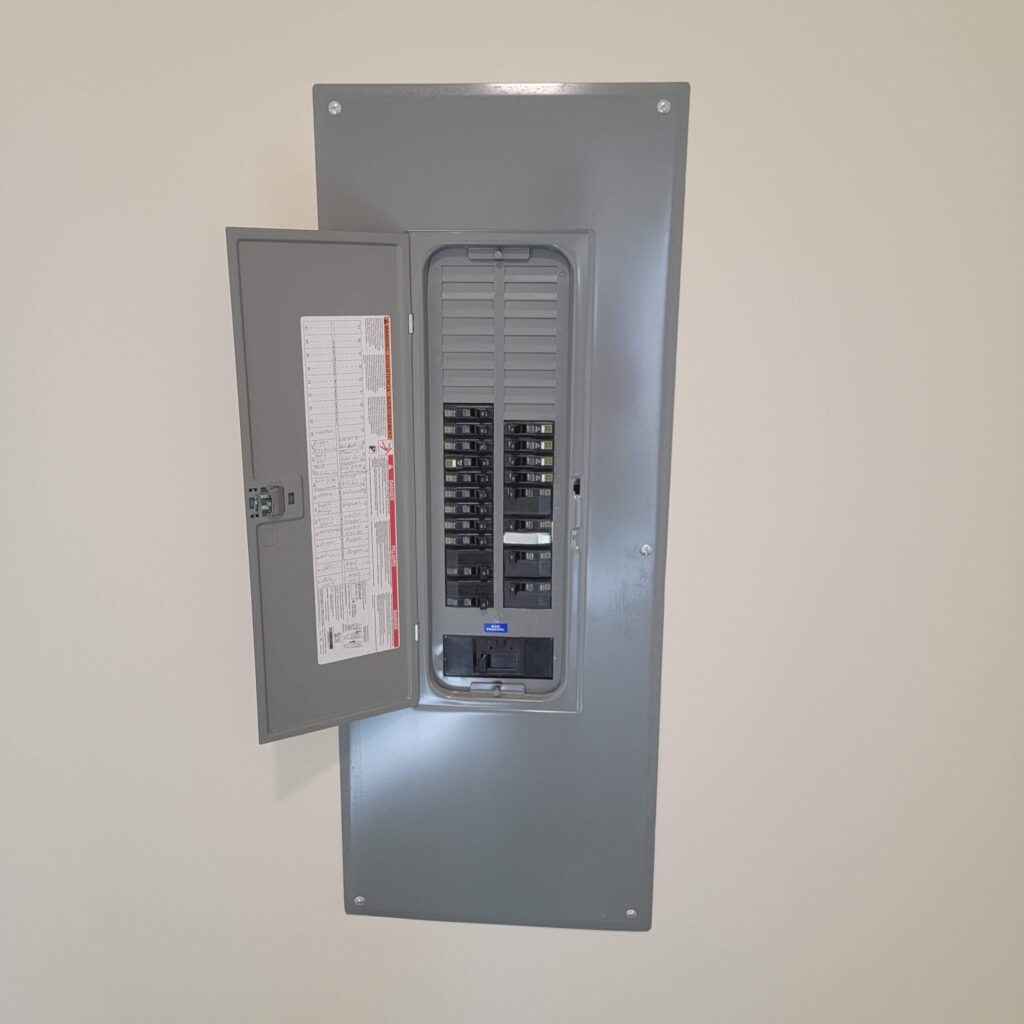
Frequent breaker trips are the most common signal that your electrical panel cannot keep up with summer demand. A circuit breaker is a safety device, and it opens the circuit when the current flowing through it climbs past its rated limit. During summer, the largest single load in most homes is the central air conditioner, which can pull a heavy surge of current the moment its compressor starts. If that surge lands on a circuit already feeding other devices, the breaker reads the combined draw as an overload and shuts the circuit off to prevent overheating. You may see this happen at the same time every afternoon, often right when the house is hottest and the air conditioner is working its hardest. A breaker doing its job once in a while is normal, but a breaker tripping daily is a clear red flag.
Many homeowners respond by resetting the breaker again and again, which is understandable but risky. Each trip and reset cycle puts stress on the breaker mechanism and the connected wiring, and repeated overloading slowly damages those components over time. Some people even replace a tripping breaker with a higher amperage model, hoping to stop the nuisance, and this is one of the most dangerous mistakes a homeowner can make. A breaker must match the wire size it protects, because the breaker exists to stop the wire from carrying more current than it can safely handle. Installing a larger breaker on undersized wire removes that protection and creates a real fire hazard inside your walls. The correct fix is to identify why the circuit is overloaded and to balance the load properly. If your breakers trip every summer afternoon, you need a professional evaluation rather than a quick swap.
The pattern of which breakers trip can tell an electrician a great deal about the underlying problem. A main breaker that trips points to the entire service being overloaded, while a single branch breaker tripping points to one overworked circuit. Tracking when the trips happen, what was running at the time, and how often they repeat gives valuable clues for diagnosis. Whiting Electrical Services can read that pattern and pinpoint the cause quickly. Need help with a panel that keeps tripping? Click here for our electrical panel repair service. Acting on this sign early often prevents a far more expensive emergency during the worst heat of the season. The longer the overloading continues, the greater the wear on the panel and the higher the risk to your home.
Flickering Lights Signal Your Electrical Panel Cannot Keep Up With Summer Demand
Lights that dim or flicker when a large appliance turns on are another strong signal that your electrical panel cannot keep up with summer demand. When a central air conditioner or a well pump starts, it pulls a brief surge of current that is several times its normal running draw. If the panel and service have enough capacity, that surge is absorbed smoothly and you never notice it. When the service is already stretched thin, the surge causes a momentary voltage drop across the whole system, and your lights dim for a second as a result. A short flicker once in a while can be normal, but lights that visibly dim every time the air conditioner cycles on point to a capacity problem. This effect becomes far more noticeable in summer because cooling equipment is the heaviest cycling load in the home.
Persistent flickering should never be ignored, because it can also point to a loose or corroded connection inside the panel. Heat from summer loads makes loose connections worse, since the metal expands and contracts with each cycle and the contact point degrades over time. A loose neutral connection in particular can cause lights to brighten and dim unpredictably, and that condition can damage sensitive electronics throughout the house. Computers, televisions, and smart home devices are especially vulnerable to unstable voltage. If you notice flickering paired with a warm panel cover or a buzzing sound, treat it as urgent rather than cosmetic. These combined symptoms often mean current is arcing across a poor connection, which generates heat and can lead to fire.
Diagnosing flickering correctly requires testing the voltage at the panel and at the affected circuits under load. An electrician measures how far the voltage sags when a large motor starts, and that reading reveals how close your service is to its limit. They also check every lug and termination for tightness and signs of overheating, since a single loose connection can cause symptoms across many rooms. The fix depends on the cause, ranging from tightening connections to upgrading an undersized service that simply cannot supply the needed current. Want to know what your flickering lights mean and how to fix them safely? Click here for more information about our electrical inspection service. Addressing flickering early protects both your safety and your electronics. A stable, properly sized service keeps your lights steady even when the air conditioner runs all day.
A Warm or Buzzing Electrical Panel Cannot Keep Up With Summer Demand
A panel that feels warm to the touch or gives off a buzzing sound is a serious sign that your electrical panel cannot keep up with summer demand. Under normal operation, a panel cover stays at room temperature and makes no audible noise. Heat at the cover means components inside are running hotter than they should, which usually traces back to sustained heavy loads or a loose connection generating resistance. Summer makes this worse, because the surrounding air is already warm and the panel has fewer chances to shed heat. A faint hum can come from the normal operation of certain breakers, but a loud or steady buzzing often signals arcing or a breaker struggling under load. You should never open the panel cover yourself to investigate, since the bus bars inside carry lethal voltage.
The danger with a hot or buzzing panel is that the problem tends to feed on itself. Heat increases electrical resistance, higher resistance generates more heat, and the cycle accelerates until a connection fails or insulation breaks down. This is exactly how an overloaded panel can move from a minor annoyance to a wall fire over the course of a single hot summer. Older panels are especially prone to this, because their breakers and bus bars have endured years of thermal cycling and may already be worn. Certain discontinued panel brands are known to have defective breakers that fail to trip when they should, and those panels become genuine hazards under heavy summer loads. If your panel is warm, buzzing, or shows any scorching or discoloration, you should stop using high draw appliances and call an electrician right away.
A qualified electrician can safely open and inspect the panel using proper tools and protective equipment. They use a thermal camera or infrared thermometer to find hot spots that are invisible to the eye, and they check each breaker and connection for damage. If the panel is undersized, aged, or built around faulty components, the safest path is a full panel replacement rather than a patch repair. A new panel with correctly rated breakers and tight connections runs cool and quiet even under heavy summer demand. Whiting Electrical Services handles these situations every summer and prioritizes them as safety calls. Catching a hot panel before it fails can be the difference between a planned upgrade and an emergency in the dark.
Why Your Electrical Panel Cannot Keep Up With Summer Demand
Understanding the root cause of an overloaded panel helps you make the right decision about repairs versus a full upgrade. In most homes, the problem is not a single defect but a mismatch between an older service and modern electrical needs. A panel installed decades ago was sized for the appliances of its era, and homes today run far more powerful equipment. Central air conditioning, electric vehicle chargers, hot tubs, and large kitchen appliances all add significant load. When those loads stack up on a service that was never designed for them, the panel reaches its ceiling during the highest demand periods of summer. The three causes below explain why so many New Hampshire homes hit this wall during the cooling season.
An Undersized Electrical Panel Falls Behind Summer Demand
The most common reason an electrical panel falls behind summer demand is that the service amperage is simply too small for the home. Older homes were frequently built with 60 amp or 100 amp service, which was plenty when households ran a few lights, a refrigerator, and a small window unit. Modern homes commonly need 200 amp service to support central cooling, electric appliances, and the growing list of devices in a typical household. When a 100 amp panel tries to feed a central air conditioner alongside everyday loads, it has very little headroom left. During a heat wave, that thin margin disappears and the main breaker begins to trip under the combined draw. The amperage rating of your service sets a hard limit on how much your home can safely use at one time.
Calculating the right service size is a precise process, not a guess based on the size of the house. Electricians follow load calculation rules in the National Electrical Code that account for the square footage, the heating and cooling equipment, and the major appliances. These calculations reveal how much capacity a home actually requires under realistic peak conditions. When an existing service falls short of that number, the home will struggle every summer no matter how the loads are arranged. Adding more circuits to a panel that is already at capacity does not solve the underlying shortage; it only spreads the same limited supply across more outlets. The real solution is increasing the service capacity to match the home’s true demand.
Upgrading from 100 amp to 200 amp service is one of the most effective improvements a homeowner can make for summer reliability. A larger service gives the air conditioner the headroom it needs to start and run without dragging down the rest of the house. It also provides room to grow, so future additions like an electric vehicle charger or a hot tub do not push the panel back over the edge. The upgrade involves a new panel, a new meter base in many cases, and coordination with the utility for the service connection. Thinking about more capacity for your home? Click here for our electrical service upgrade. A properly sized service removes the summer bottleneck for good and supports your home for decades.
Aging Wiring Leaves Your Electrical Panel Behind Summer Demand
Old or deteriorated wiring is another reason your electrical panel can fall behind summer demand even when the amperage rating seems adequate. Wiring degrades over the years as insulation dries out, connections loosen, and conductors corrode at termination points. A connection that was tight at installation can work loose after many cycles of heating and cooling, and summer loads accelerate that process. Loose or corroded connections add resistance to the circuit, and that resistance generates heat exactly where you do not want it. The panel may have the right amperage on paper, yet the actual delivery of power suffers because of weak points in the system. Heat from a struggling connection can damage the breaker, the bus bar, and the wire all at once.
Certain wiring types found in older New Hampshire homes carry their own risks under heavy load. Aluminum branch wiring, common in homes from a particular era, expands and contracts more than copper and tends to loosen at connections over time. That movement creates the same resistance and heat problems, and it requires special handling and connectors to make safe. Knob and tube wiring, found in some of the oldest homes, has no ground conductor and insulation that becomes brittle with age. Running modern summer loads through wiring like this puts far more stress on it than it was ever meant to carry. An electrician identifies these wiring types during an inspection and recommends the right corrective steps.
The interaction between aging wiring and a panel is important, because problems in one often show up as symptoms in the other. A loose connection at a breaker can mimic an overloaded circuit, tripping the breaker even when the actual load is modest. Replacing the breaker alone does nothing, because the real fault lives in the connection or the wire. A thorough inspection traces the symptom back to its true source and addresses the wiring along with the panel. When an electrician upgrades a panel, they also inspect and re tighten the connections feeding it, which restores reliable delivery of power. Pairing sound wiring with a properly sized panel is what keeps a home stable through the hottest summer days. Skipping the wiring check leaves a hidden weakness that the next heat wave will expose.
Added Appliances Push Your Electrical Panel Past Summer Demand
Adding new appliances over the years is a frequent reason an electrical panel gets pushed past summer demand. Homes accumulate electrical loads gradually, and each new device draws from the same fixed service. A family might add a central air conditioner one year, an electric vehicle charger the next, and a hot tub after that, all without changing the panel. Each addition seems small on its own, yet together they can far exceed what the original service was designed to supply. Summer is when these stacked loads collide, because the air conditioner runs constantly while everything else continues to operate. The panel that handled the home comfortably ten years ago simply cannot stretch to cover everything now.
Cooling and heating equipment tends to be the largest contributor to summer load growth. A central air conditioner draws heavily and runs for long stretches during a heat wave, leaving little room for other large devices. Pool pumps, hot tub heaters, and dehumidifiers add steady additional draw throughout the day. When a homeowner installs new air conditioning without confirming the panel can support it, the result is frequent tripping and dimming during peak hours. The cooling equipment needs a dedicated, properly sized circuit, and the panel needs enough total capacity to carry it alongside everything else. Planning the electrical supply before adding a major appliance prevents these summer headaches.
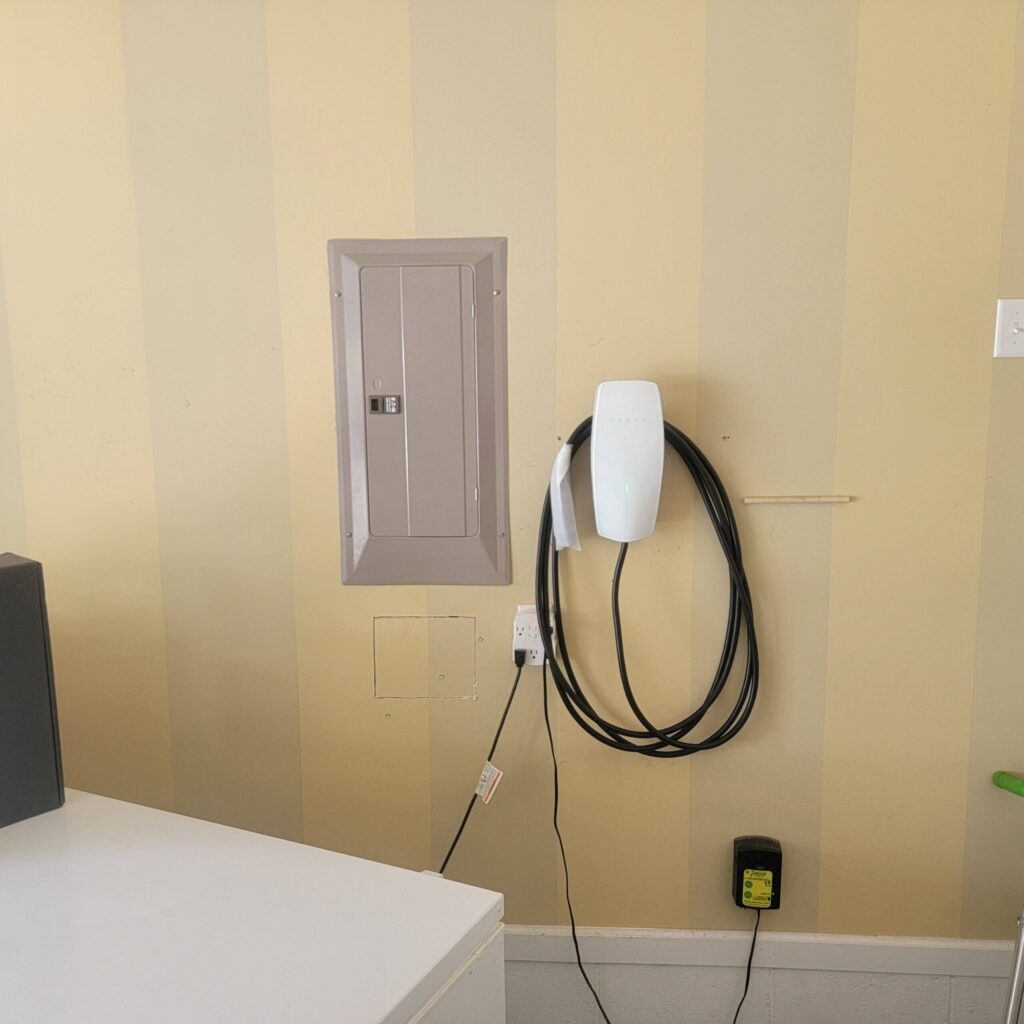
Electric vehicle chargers deserve special mention, because they represent one of the largest new loads entering homes today. A Level 2 charger draws a substantial continuous current for hours, often overnight, and it competes with summer cooling for the same limited service. Installing a charger on an already stretched panel can be the final load that tips the system over its limit. Before adding any major appliance, an electrician performs a load calculation to confirm the panel and service can handle the new draw safely. When the existing capacity falls short, the right move is a service upgrade rather than forcing the new device onto an overloaded panel. Whiting Electrical Services routinely plans these additions so that new equipment and summer cooling coexist without trouble. Getting the supply right up front saves you from repeated breaker trips later.
Why You Need a Professional Electrical Panel Upgrade Before Summer Demand Peaks
The smartest time to address a struggling electrical panel is before the worst summer heat arrives, not during it. Acting early lets you schedule the work on your own terms instead of facing an emergency when the panel fails in the middle of a heat wave. A professional upgrade restores capacity, replaces worn components, and brings your service in line with modern safety codes. It also protects the appliances and electronics that depend on steady, clean power. Most importantly, it removes the fire risk that comes with an overloaded or overheating panel. The sections below explain why professional work matters and why local homeowners trust Whiting Electrical Services for the job.
A Panel Upgrade Helps Your Electrical Panel Meet Summer Demand
A professional panel upgrade is the most direct way to help your electrical panel meet summer demand for years to come. The process replaces an undersized or aging panel with a new unit rated for your home’s actual load. A licensed electrician performs a full load calculation first, so the new service matches your real needs rather than a rough estimate. The upgrade includes correctly rated breakers, tight connections, and proper grounding, all of which keep the system running cool and reliable. Once installed, the new panel handles your air conditioner, appliances, and future additions without tripping or overheating. Need more capacity before the heat peaks? Click here for our electrical panel installation service.
A modern panel also brings important safety features that older panels lack. Current code requires arc fault and ground fault protection on many circuits, which guards against two of the leading causes of electrical fires and shock. These protective breakers monitor the circuit constantly and cut power the instant they detect a dangerous fault. Older panels were never equipped with this technology, leaving those homes without an important layer of defense. Upgrading the panel is the opportunity to bring the whole system up to today’s safety standards. The result is a home that is both more capable and far safer under heavy summer use.
The value of a professional upgrade extends well beyond the summer season. A correctly sized panel supports electric vehicle chargers, generators, and home additions that you may want in the years ahead. It raises the resale appeal of your home, since buyers and inspectors look closely at the electrical service. The work is done to code and properly permitted, which protects you legally and gives you documentation of the improvement. A panel built for your real demand simply stops being a worry, in summer and every other season. That peace of mind is one of the strongest reasons to invest in the upgrade.
Routine Inspection Keeps Your Electrical Panel Ready for Summer Demand
Regular professional inspection is what keeps your electrical panel ready for summer demand year after year. An inspection catches small problems before they grow into failures, and timing one in spring prepares the home for the cooling season ahead. The electrician checks the panel for hot spots, loose connections, corrosion, and signs of wear that you cannot see from the outside. They confirm that breakers match their wires and that the grounding system is intact and effective. This kind of preventive attention is far cheaper than an emergency repair during a heat wave. It also gives you a clear picture of how much capacity you have left for new appliances.
An inspection is especially valuable for homes with older panels or known defective brands. Some discontinued panels have a documented history of breakers that fail to trip, and an inspection identifies these hazards so they can be replaced. The electrician also looks for the warning signs of overload that a homeowner might dismiss, such as a slightly warm cover or faint discoloration. Finding these issues early turns a potential emergency into a planned, manageable repair. For homes that have added cooling equipment or chargers over the years, an inspection confirms the panel is keeping up. It is the single best habit for staying ahead of summer electrical trouble.
Inspections also create a record that supports smart long term planning for your home. With a clear assessment in hand, you can decide when to upgrade, what appliances your service can support, and how to budget for improvements. The electrician can advise on the right service size for your goals, from a generator to an electric vehicle charger. This guidance helps you avoid the trap of adding loads piecemeal until the panel finally gives out. A scheduled inspection each year keeps your system safe, documented, and prepared for whatever the summer brings. It transforms electrical maintenance from a reaction into a plan.
Why Choose Whiting Electrical Services for Summer Electrical Panel Demand
Whiting Electrical Services brings the experience and care that summer electrical panel work demands. The company is based at 140 Court St B in Laconia, New Hampshire, and serves homeowners across the Lakes Region and beyond. Every job is backed by a Lifetime Craftsmanship Warranty, which reflects the standard the team holds itself to on each project. Whiting Electrical Services holds an A rating with the Better Business Bureau and is a Generac Certified Dealer and Service Provider. The company has been trusted by major clients including Mr. Beast and WillScot for electrical projects of significant scale. That track record gives local homeowners confidence that their panel is in capable hands.
The team is dedicated to delivering a five star service on every visit, and that commitment shows in the quality of the work. Each panel upgrade and repair is performed to current code, properly permitted, and finished with tight connections and correctly rated breakers. The electricians take the time to explain what they find and what they recommend, so you understand the condition of your service. Whiting Electrical Services also offers a 10 percent discount for veterans, first responders, and paramedics as a thank you for their service. This blend of skill, honesty, and respect for the customer is what sets the company apart. Homeowners return because the work is done right the first time.
When your electrical panel is struggling with summer demand, fast and reliable help makes all the difference. Whiting Electrical Services responds promptly, diagnoses the real cause, and offers a clear plan to fix it for good. The team handles everything from a simple repair to a full service upgrade, matched to your home’s actual needs. You can reach Whiting Electrical Services by phone at (603) 512-3887 or by email at Info@whitingelectricalservices.com to schedule your panel evaluation. Do not wait for a breaker to fail during the hottest week of the year; call today and get ahead of the summer heat. A safe, properly sized panel is one call away.