
What Electrical Grounding Does and Why Your Home Depends on It
Electrical grounding is one of the most important safety systems in your home, yet most homeowners never think about it until something goes wrong. Grounding gives stray electricity a safe path to travel back to your electrical panel and into the earth, which keeps that energy away from you, your family, and your appliances. When a wire comes loose, a component fails, or a surge hits your home, grounding is the feature that quietly directs that dangerous current where it belongs. Without a proper grounding system, that same current can travel through metal surfaces, water lines, or a person, and the results can be serious. Every modern electrical code in New Hampshire and across the country requires grounding for a reason. Summer storms roll across the Lakes Region and bring lightning, power surges, and voltage spikes that test your home’s safety systems. A strong grounding system stands between those events and the wiring inside your walls. Understanding what grounding does helps you protect your property, your electronics, and the people you care about.
What Electrical Grounding Does in Your Home Electrical System
Electrical grounding works in the background of your entire home, and it does far more than most people realize. It connects your electrical system to the earth through a grounding electrode, which is usually a metal rod driven deep into the soil or a wire bonded to your metal water pipe or foundation rebar. This connection creates a reliable path for fault current, which is electricity that has left its intended route because of damage or a failure somewhere in the system. When everything is wired and bonded correctly, that fault current rushes safely to ground and trips the breaker before harm can occur. Grounding also keeps the voltage in your home steady, which protects sensitive devices like computers, televisions, and modern appliances. Many older homes in Laconia, Gilford, and Meredith were built before current grounding standards, so their protection may be incomplete. Learning how grounding functions is the first step toward knowing if your home is truly safe.
How Electrical Grounding Protects Your Family From Shock
Electrical grounding protects your family from shock by giving fault current a low resistance path that leads away from people and toward the earth. Electricity always seeks the easiest route back to its source, and without grounding, your body can become that route if you touch a faulty appliance or a live metal surface. A properly grounded system routes that dangerous energy through the equipment grounding conductor instead, which is the third wire found in modern outlets and cables. That third prong on your plugs is not decoration; it connects your devices to the grounding system and carries fault current safely away. When a hot wire touches the metal case of a washer, dryer, or power tool, grounding sends that current straight to the panel and trips the breaker in a fraction of a second. This rapid response is what turns a potentially deadly event into a minor inconvenience. Homes with only two prong outlets often lack this protection entirely, leaving residents exposed. Upgrading these outlets and confirming a solid ground is a direct investment in your family’s safety.
Shock protection becomes even more important in areas of your home where water and electricity are close together, such as kitchens, bathrooms, laundry rooms, and outdoor spaces. Water conducts electricity very well, so a small fault in a damp area can create a serious hazard for anyone standing nearby. Grounding paired with ground fault protection dramatically reduces the risk of injury in these locations. A ground fault circuit interrupter, often called a GFCI, monitors the flow of electricity and shuts the circuit off the instant it senses current leaking to an unintended path. This device works hand in hand with your grounding system to guard against shock in the most vulnerable rooms. Many older New Hampshire homes never received these protective devices during construction. Adding them where they are required brings your home up to modern safety standards. If your outlets near water do not have test and reset buttons, that is a clear sign an upgrade is overdue.
Children and pets face the highest risk from ungrounded systems because they explore, touch, and chew on things adults would avoid. A frayed cord or a damaged appliance that would trip a breaker in a grounded home can remain silently dangerous in a home without proper grounding. Every metal lamp, kitchen appliance, and power strip in an ungrounded circuit becomes a possible shock point if a fault develops. Grounding removes that danger by ensuring any fault triggers an immediate breaker response rather than a hidden electrified surface. This is why professional electricians treat grounding as a foundation of home safety rather than an optional feature. Need a grounding inspection or repair for your home? Click here for our electrical grounding service and get a professional evaluation. A quick assessment can reveal weak points you would never notice on your own. Peace of mind starts with knowing your system will react the way it should.
How Electrical Grounding Prevents Electrical Fires
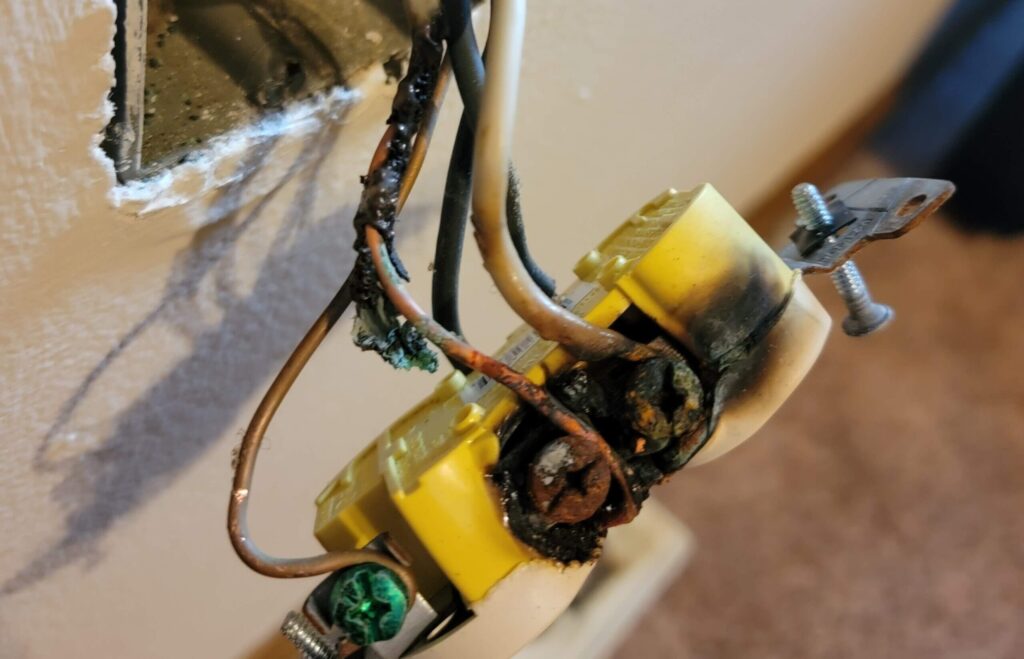
Electrical grounding prevents electrical fires by stopping fault current from building up heat inside your walls, outlets, and wiring. When electricity escapes its intended path and has nowhere safe to go, it can arc, spark, and generate intense heat at the point of the fault. That heat can ignite wood framing, insulation, drywall, and dust, and these fires often start in hidden spaces where no one notices until it is too late. A grounded system removes this danger by giving fault current an immediate route back to the panel, where the breaker cuts power before heat accumulates. This fast interruption is one of the quietest yet most powerful fire prevention tools in your entire home. Older wiring methods and outdated panels sometimes lack the bonding needed to make grounding effective. In those cases, a fault can persist and smolder without ever tripping a breaker. A professional inspection can confirm that your grounding path is complete and functioning.
Loose connections, corroded terminals, and damaged wires are common causes of electrical fires, and grounding plays a major role in limiting the damage they can do. Over time, connections inside outlets and panels can loosen from vibration, temperature changes, and normal use, which increases resistance and heat. When a grounded system is in place, a serious fault at one of these weak points sends current to ground and trips the circuit rather than allowing a slow burn to develop. This protective action is especially valuable in homes across Franklin, Belmont, and Concord where original wiring may be decades old. Aluminum wiring, outdated fuse panels, and ungrounded circuits all raise the fire risk in these properties. Grounding alone does not fix every hazard, but it is a critical layer of defense that supports every other safety device. Pairing grounding with modern breakers and surge protection creates a system that responds quickly to trouble. Regular inspections keep these layers working together as your home ages.
Appliances and electronics that fail internally are another frequent fire source, and grounding is your first line of defense when they do. A motor that shorts out, a heating element that fails, or a power supply that breaks down can send fault current into the device’s metal frame. In a grounded home, that current flows safely to the panel and trips the breaker before the appliance can overheat and catch fire. In an ungrounded home, that same fault may energize the appliance casing or slowly heat nearby materials with no breaker response at all. This difference can decide the outcome during a real emergency. Whole home surge protection adds another shield by absorbing voltage spikes that would otherwise stress and damage your wiring and devices. Want to protect your electronics from surges and voltage spikes? Click here for our whole house surge protection service. Combining grounding with surge protection gives your home the strongest defense against fire caused by electrical faults.
How Electrical Grounding Stabilizes Voltage in Your Home
Electrical grounding stabilizes voltage in your home by giving the electrical system a common reference point that keeps power flowing smoothly and predictably. Electricity needs a stable baseline to operate correctly, and grounding provides that baseline by tying your system to the earth. Without this reference, voltage can fluctuate, drift, and spike in ways that stress your appliances and shorten their lifespan. Modern electronics are especially sensitive to these fluctuations because their internal components rely on steady, clean power. A grounded system smooths out minor variations and gives excess energy a safe place to go. This is why televisions, computers, and smart home devices last longer and perform better in properly grounded homes. Stable voltage also reduces flickering lights, humming transformers, and other frustrating symptoms of an unbalanced system. Grounding quietly supports the reliability you expect every time you flip a switch.
Voltage spikes from lightning, utility switching, and large appliances cycling on and off can send damaging surges through your wiring at any moment. Grounding gives these surges a controlled path to dissipate rather than allowing them to travel through your outlets and into your devices. During a New Hampshire thunderstorm, a nearby lightning strike can push thousands of volts into a home’s electrical system in an instant. A strong grounding system, combined with surge protection, absorbs and redirects much of that energy before it reaches your electronics. Homes with weak or missing grounding face far greater risk of fried circuit boards, damaged appliances, and ruined equipment after a storm. The cost of replacing that equipment often far exceeds the cost of a proper grounding and surge setup. This is one area where prevention truly pays for itself. Protecting your investment starts with a solid ground.
A well grounded system also improves the performance of every circuit that shares your electrical panel, which matters more today than ever before. Modern homes run dozens of devices at once, from refrigerators and HVAC systems to gaming consoles, chargers, and smart thermostats. All of these compete for clean, stable power, and grounding helps keep that power consistent across the entire home. When grounding is compromised, you may notice devices resetting, dimming lights, or electronics behaving unpredictably. These symptoms are easy to dismiss but often point to a grounding problem that deserves professional attention. An electrician can test your grounding electrode, check your bonding, and confirm that your system meets code. Catching a weak ground early prevents damage that would otherwise build up over years. Reliable power depends on a foundation that starts underground.
Signs Your Home Needs an Electrical Grounding Upgrade
Many homes across the Lakes Region were built long before current grounding standards existed, and their systems may no longer provide the protection modern living requires. Recognizing the warning signs of poor or missing grounding helps you address a hazard before it becomes an emergency. Some signs are obvious, like two prong outlets or a panel that has never been updated, while others are subtle and easy to overlook. Frequent shocks, flickering lights, damaged electronics after storms, and warm outlet covers can all point to grounding problems. Ignoring these clues allows small issues to grow into serious safety risks over time. An electrical grounding upgrade brings your home in line with today’s codes and gives you the protection your family deserves. Knowing what to watch for puts you in control of your home’s safety. A professional evaluation confirms exactly what your system needs.
Two Prong Outlets and Missing Electrical Grounding
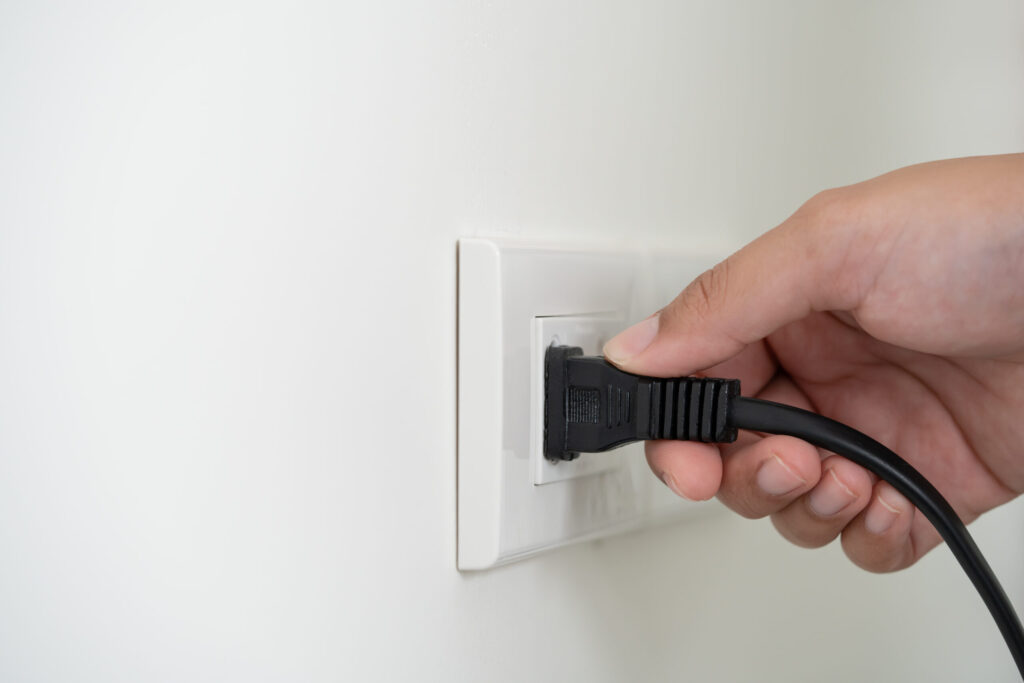
Two prong outlets are one of the clearest signs that a home lacks proper electrical grounding, and they remain common in older New Hampshire houses. These outlets have no third opening for a ground pin, which means the devices plugged into them have no safe path for fault current. When an appliance faults on a two prong circuit, there is often nothing to carry that dangerous energy to the panel and trip the breaker. This leaves the appliance casing, nearby metal, or even a person as the potential path for the current. Many homeowners try to work around this by using cheap adapters, but those adapters do not create a real ground and offer a false sense of safety. The only reliable fix is to upgrade the wiring or install proper grounding at the circuit. An electrician can determine the safest and most cost effective solution for your specific home. Removing two prong outlets is a meaningful step toward a safer property.
Some homeowners replace two prong outlets with three prong outlets themselves, but this creates a hidden danger if no ground actually exists behind the wall. A three prong outlet with no real ground looks safe and accepts grounded plugs, yet it provides none of the protection that third prong implies. This is one of the most common and most dangerous DIY mistakes electricians find in older homes. Testing an outlet with a simple plug in tester quickly reveals whether a true ground is present. When no ground is found, the circuit needs either new grounded wiring or an approved alternative that meets code. In certain situations, a GFCI can be installed to provide shock protection where running a new ground wire is difficult. Want to add shock protection where grounding is missing? Click here for our GFCI outlet installation service. A licensed electrician will confirm the right approach for each circuit in your home.
Upgrading from ungrounded to grounded wiring often reveals other issues that have gone unnoticed for years, which is why professional involvement matters so much. During the upgrade, an electrician may find brittle insulation, outdated cloth wiring, overloaded circuits, or improper connections hidden in walls and junction boxes. Addressing these problems at the same time as your grounding upgrade improves the overall safety and reliability of your entire system. It also prevents you from paying twice to open the same walls and circuits later. Homes in Plymouth, Wolfeboro, and Alton with original wiring frequently benefit from this kind of comprehensive update. A proper grounding upgrade is an investment that pays off in safety and long term reliability. Your electrician can prioritize the work so it fits your budget and needs. Bringing an older home up to modern standards protects everyone who lives there.
Frequent Shocks and Poor Electrical Grounding
Frequent shocks from outlets, switches, and appliances are a serious warning sign that your home may have poor electrical grounding. A small static shock in dry weather is normal, but a shock from touching a plugged in appliance or a metal outlet cover is not. That kind of shock means current is escaping its intended path and finding you instead of a safe route to ground. This should never be ignored, because the same fault that delivers a mild shock today can deliver a dangerous one tomorrow. Grounding problems, damaged wiring, and failing appliances can all cause these shocks. An electrician can trace the source and determine if a grounding fault is to blame. Living with recurring shocks is both uncomfortable and genuinely risky. Prompt attention keeps a minor annoyance from turning into a real emergency.
Shocks that occur near water, such as at a kitchen sink, bathroom counter, or outdoor outlet, deserve immediate professional attention because the risk in these areas is far higher. Damp conditions lower the resistance of the human body and make even small currents more dangerous. When grounding is weak or missing in these locations, the protection you expect simply is not there. Installing GFCI protection and confirming a solid ground path greatly reduces the risk of injury in wet areas. Homes in Bow, Hopkinton, and Loudon with older bathrooms and kitchens often need these upgrades. An electrician will test each circuit and identify where protection is lacking. Fixing these vulnerable spots is one of the most valuable safety improvements you can make. Water and electricity demand a system you can trust.
Tingling sensations from appliances like refrigerators, washers, and metal light fixtures are another symptom of grounding trouble that homeowners sometimes dismiss. That tingle means a small amount of current is leaking to the metal frame instead of being carried safely to ground. Over time, the underlying fault can worsen and turn a faint tingle into a strong and dangerous shock. Grounding ensures any such fault trips the breaker and cuts power before it reaches that point. An electrician can measure the leakage, locate the fault, and confirm that your grounding system is doing its job. These issues are rarely visible without proper testing equipment and training. Scheduling an inspection when you notice these signs protects your household. A professional evaluation replaces guesswork with certainty.
Surge Damage From Weak Electrical Grounding
Repeated surge damage to your electronics is a strong indicator that your home may have weak electrical grounding. When a grounding system cannot properly channel excess voltage away, surges travel through your outlets and into whatever is plugged in. Over time, this shows up as failed televisions, dead computers, damaged appliances, and electronics that stop working for no clear reason. Many homeowners replace these devices without realizing the true cause lies in their electrical system. A weak ground allows surges from lightning, utility events, and large appliances to reach sensitive equipment unchecked. Strengthening your grounding and adding whole home surge protection breaks this cycle of damage. An electrician can confirm the condition of your grounding electrode and bonding. Solving the root cause saves money and frustration over the long run.
New Hampshire summers bring frequent thunderstorms, and lightning is one of the most powerful sources of surge damage a home can face. A direct or nearby strike can send an enormous spike of energy into your electrical system in an instant. A strong grounding system gives that energy a controlled path to dissipate into the earth rather than through your wiring. Combined with a whole home surge protector at the panel, grounding forms a powerful defense against storm related damage. Homes with outdated grounding are far more likely to lose expensive equipment after a storm. The Lakes Region sees plenty of severe weather, so this protection matters here more than in many places. Investing in proper grounding and surge protection before storm season pays off when the next storm arrives. Preparation is always cheaper than replacement.
Surge damage often builds up gradually, with each small spike weakening components until they finally fail. This slow degradation makes it hard to connect the damage to a grounding problem, which is why professional testing is so valuable. An electrician can evaluate your grounding, check your bonding connections, and recommend surge protection sized for your home. Confirming that your grounding electrode is intact and properly connected is a key part of this process. If your home regularly loses electronics or you notice damage after storms, your grounding deserves a close look. Want a professional to inspect your grounding and surge protection? Click here for our electrical inspection service. Addressing the problem now prevents years of avoidable equipment loss. A properly grounded and protected home keeps your technology running safely.
Why You Need Professional Electrical Grounding Service
Electrical grounding is not a project for guesswork or trial and error, because a mistake can leave your home unsafe while appearing perfectly normal. A licensed electrician has the training, tools, and code knowledge to test your grounding, find weak points, and correct them the right way. Professional service ensures your grounding electrode, bonding, and equipment grounding conductors all work together as a complete system. This kind of thorough evaluation is something no plug in tester or online guide can fully replace. Choosing a qualified electrician protects your family, your home, and your investment in your property. Whiting Electrical Services brings experience, care, and a strong reputation to every grounding project. The right professional makes the difference between a system that looks safe and one that truly is.
When to Call an Electrician for Electrical Grounding
You should call an electrician for electrical grounding any time you notice shocks, surge damage, two prong outlets, or unexplained electronic failures. These signs point to grounding problems that require professional testing to diagnose and repair correctly. Waiting to address them allows small faults to grow into serious safety hazards over time. An electrician can quickly determine if your grounding is intact or if an upgrade is needed. Early action is always safer and usually less expensive than reacting to an emergency later. A professional evaluation gives you clear answers about the condition of your system.
Homeowners buying an older property should also schedule a grounding evaluation as part of understanding their new home. Older houses across New Hampshire often have outdated wiring, missing grounds, and panels that no longer meet current code. Knowing the true condition of the electrical system helps you plan repairs and budget for upgrades. An electrician can identify which circuits are grounded, which are not, and what work will bring the home up to standard. This information is valuable for both safety and long term planning. Starting with a clear picture protects your investment from day one.
Any major electrical project is a smart time to have your grounding checked as well, since the two often go hand in hand. Adding circuits, installing a new panel, or upgrading your electrical service all interact with your grounding system. Confirming a solid ground during these projects ensures everything works safely together. An electrician can integrate grounding improvements into the larger job efficiently. This coordinated approach saves time and avoids repeated work. A comprehensive plan keeps your entire system safe and code compliant.
What to Expect During an Electrical Grounding Inspection
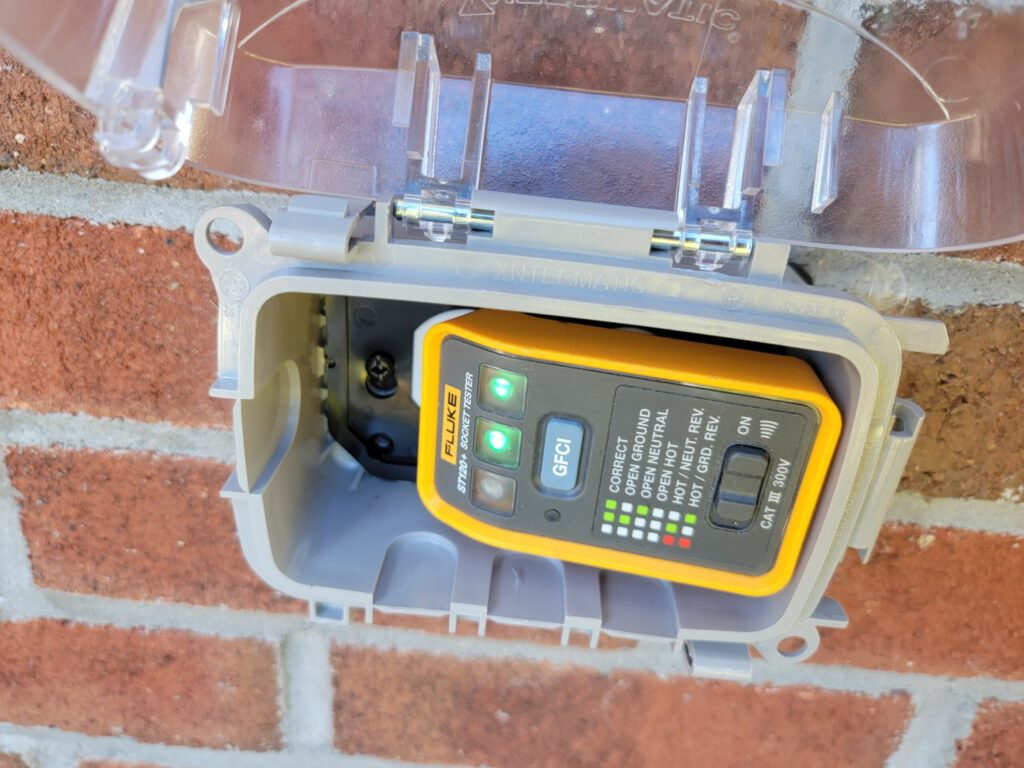
During an electrical grounding inspection, an electrician tests your entire grounding system to confirm it provides the protection your home needs. The process begins with checking your outlets to verify that each one has a true, functioning ground. The electrician then examines your grounding electrode, which may be a ground rod, water pipe connection, or foundation electrode. Bonding connections at the panel and throughout the home are inspected to make sure everything is tied together correctly. This step by step evaluation reveals any gaps, corrosion, or loose connections that weaken your protection. A thorough inspection leaves no part of the grounding system unchecked.
The electrician also evaluates your electrical panel, since the panel is where grounding, bonding, and breaker protection all come together. An outdated or overloaded panel can undermine even a well grounded system, so its condition matters a great deal. If the panel needs attention, the electrician will explain the options clearly and honestly. Want to learn more about upgrading your panel for a safer home? Click here for our electrical panel installation service. Addressing panel and grounding issues together creates a stronger, safer electrical system. Clear communication throughout the process helps you make informed decisions.
After the inspection, you receive a clear explanation of what was found and what work, if any, is recommended. The electrician outlines the safest and most practical solutions for your specific home and budget. This might include upgrading outlets, adding a ground rod, improving bonding, or installing surge protection. You leave the inspection with a complete understanding of your system’s condition and next steps. This transparency is a core part of professional service. Knowing exactly where your home stands gives you confidence and peace of mind.
Why Choose Whiting Electrical Services for Electrical Grounding
Whiting Electrical Services has earned the trust of homeowners throughout Laconia and the greater Lakes Region through honest work and lasting quality. We back our work with a Lifetime Craftsmanship Warranty, and we hold an A rating with the Better Business Bureau. Our team has handled electrical projects trusted by major clients like Mr. Beast and WillScot, which reflects the standard we bring to every home. We are a Generac Certified Dealer and Service Provider, and we are dedicated to delivering a five star experience on every visit. When it comes to something as important as grounding, experience and integrity matter. Choosing a proven local electrician gives you results you can rely on.
We treat your home with the same care we would want for our own, and that shows in every grounding inspection and repair we complete. Our electricians take the time to explain what they find and why it matters, so you always understand the work being done. We also offer a 10 percent discount for veterans, first responders, and paramedics as a thank you for their service. Straightforward pricing and clear communication are part of every job. We believe safety should never be a mystery to the homeowner paying for it. Our goal is to leave your home safer and your questions fully answered.
From two prong outlet upgrades to full grounding system repairs, we handle every grounding need with skill and attention to detail. We serve homeowners across Laconia, Gilford, Meredith, Concord, and the surrounding communities with reliable, professional service. Protecting your family starts with a grounding system you can trust, and we are ready to make sure yours is up to the task. Call Whiting Electrical Services today at (603) 512-3887 to schedule your electrical grounding inspection or repair. Our friendly team is standing by to answer your questions and get your home protected. Reach out now and give your home the safe, dependable foundation it deserves.