
Preparing Your Outdoor Outlets for Holiday Light Displays
The holiday season brings inflatable snowmen, glowing icicle strands, and rooflines that light up the whole neighborhood. Behind every one of those displays sits an outdoor outlet doing the real work, and that outlet needs to be ready before you plug in a single strand. Cold weather, moisture, and heavy seasonal load all put stress on exterior receptacles that sit unused for most of the year. In New Hampshire, snow and freezing rain make the situation harder because water finds its way into any gap it can. A little preparation now protects your home, your family, and the display you spent hours building. This guide walks through how to prepare your outdoor outlets for holiday light displays the right way, from testing to weatherproofing to load planning. You will learn what to check, what to fix, and when to bring in a licensed electrician. By the time you finish, you will know exactly how to power your lights without tripping breakers or risking a fire.
How to Prepare Your Outdoor Outlets for Holiday Light Displays Safely
Safe holiday lighting starts long before the first strand goes up, and it begins at the outlet itself. Every exterior receptacle used for holiday light displays should be a GFCI outlet, since ground fault protection shuts off power the instant it senses current leaking where it should not. Your outlets also need weather resistant covers that keep rain and snow away from live connections. Load matters too, because stringing dozens of light sets onto one circuit is one of the fastest ways to trip a breaker on a cold December night. Preparing your outdoor outlets for holiday light displays means checking all three of these areas before the season arrives. The sections below break each one down so you can move through your home outlet by outlet.
Testing GFCI Outdoor Outlets Before Your Holiday Light Displays
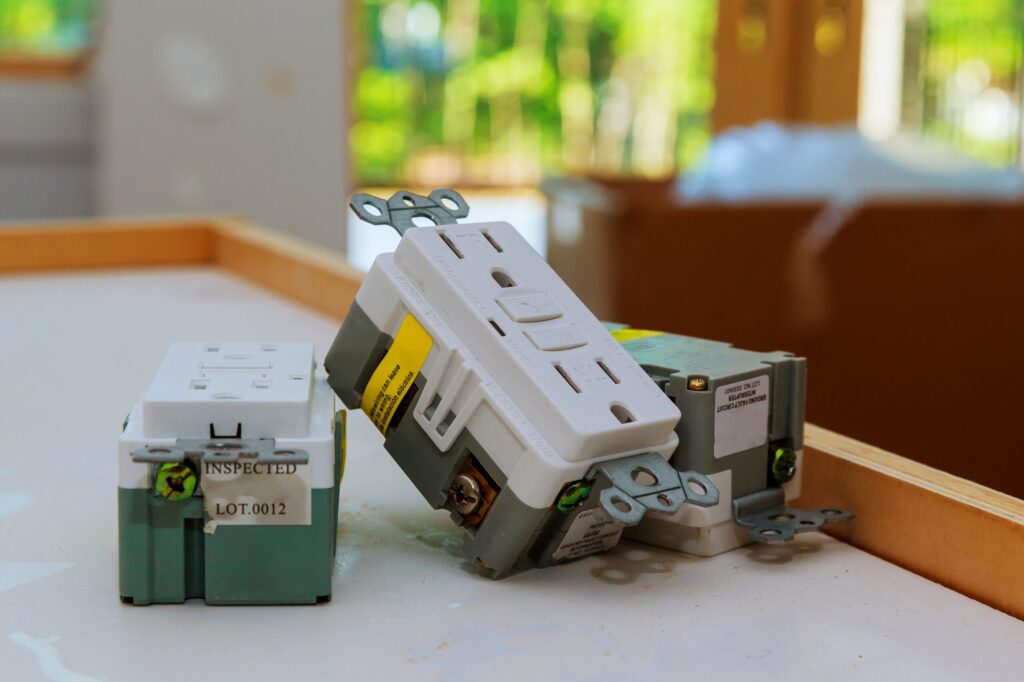
Every outdoor outlet that powers holiday light displays should have GFCI protection, and testing that protection is the first job on your list. A GFCI outlet monitors the flow of electricity and cuts power in a fraction of a second when it detects a ground fault, which is the exact situation that happens when water reaches a live wire. You can identify these outlets by the small test and reset buttons set into the face of the receptacle. Press the test button and the reset button should pop out, which tells you the internal mechanism still works. Press reset again and power should return to the outlet. If nothing happens when you test it, or if the outlet still delivers power after you press test, the protection has failed and the outlet is no longer safe to use.
Older homes across the Lakes Region sometimes have exterior outlets that were installed before GFCI protection became standard, and those outlets carry real risk during the holidays. Water and electricity meet often when strands sit in snowbanks, drape across gutters, or rest on frozen ground for weeks at a time. Without a working GFCI, a small fault can push current through anything that touches the fixture, including a person removing a bulb with wet gloves. This is not a rare event; it is one of the most common causes of holiday shock injuries every year. Replacing a failed or missing GFCI is a straightforward fix for a licensed electrician, and it dramatically lowers the danger of your entire display. Testing takes only a minute, yet it is the single most important safety step you can take.
Keep a written note of which outlets pass the test and which ones do not as you work your way around the house. Outlets on the front porch, in the backyard, near the garage, and along the driveway all need the same check, since each one may feed a different part of your holiday light displays. If you find an outlet that will not reset, stop using it entirely and label it so no one plugs into it by mistake. Do not try to force power through a failed GFCI by swapping it for a standard outlet, because that removes the protection the code requires outdoors. A professional can confirm whether the problem sits in the outlet, the wiring behind it, or the breaker at the panel. If you want new protected outlets installed before the season, our team handles that quickly through our GFCI outlet installation service.
Weatherproofing Outdoor Outlets for Holiday Light Displays
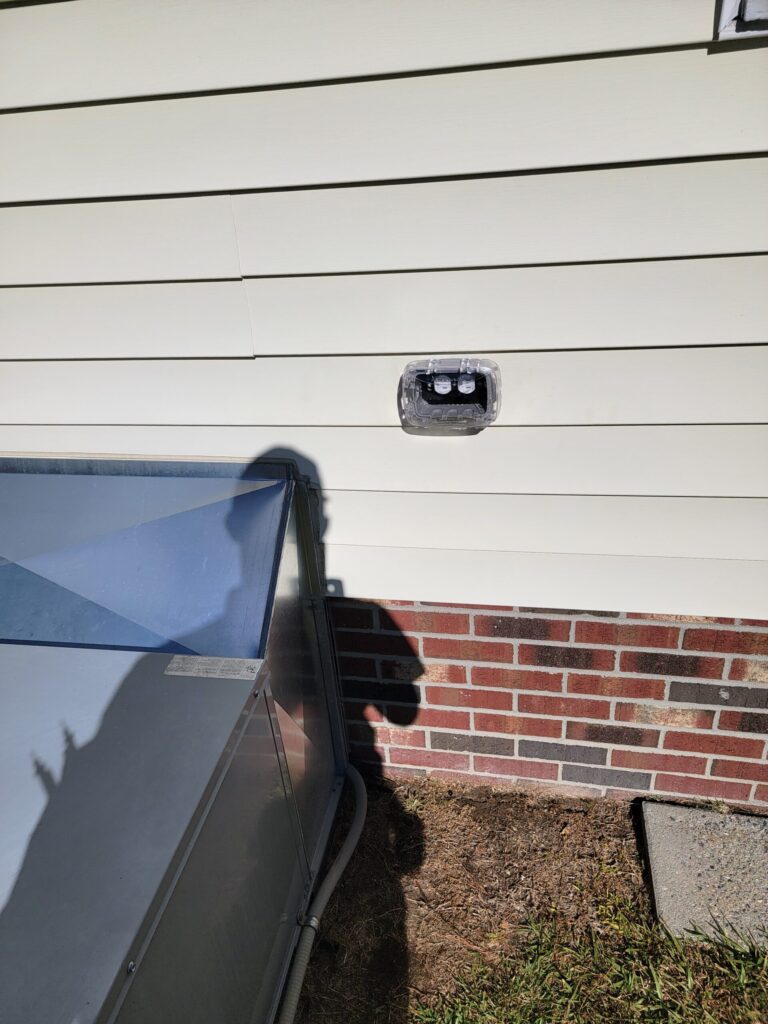
Weatherproofing is the next step in preparing outdoor outlets for holiday light displays, and it centers on keeping moisture away from every connection. New Hampshire winters throw snow, sleet, and freezing rain at exterior walls for months, and any of that water can seep into an uncovered receptacle. The gold standard for outdoor outlets is an in use cover, sometimes called a bubble cover, which is a hinged plastic box that stays closed over the plug while a cord runs out the bottom. This design shields the outlet even while a strand of lights stays plugged in through a storm. A flat flip cover that only closes over an empty outlet does not protect anything once a cord is inserted. If your outdoor outlets still have flat covers, upgrading to in use covers is one of the best moisture defenses available.
Beyond the cover itself, the connection points between your extension cords and light strands need attention too. Every plug junction that sits outside should be lifted off the ground and shielded from pooling water, snow, and ice. Wrapping the connection with weatherproof tape or tucking it inside a small covered container keeps melting snow from bridging the two plugs. Use only extension cords rated for outdoor use, since indoor cords have thinner insulation that cracks in the cold and lets water reach the conductors. Check every cord for cuts, frays, or exposed copper before you run it, and throw out any cord that shows damage. A single compromised connection can trip your GFCI over and over, or worse, create a shock hazard that the GFCI has to catch.
The wall penetration where your outlet box meets the siding deserves a look as well, because gaps there let water travel behind the outlet and into the wall. Cracked or missing gaskets behind the cover plate allow wind driven rain and snow straight into the electrical box. A licensed electrician can reseal these openings and confirm the box drains correctly so water never collects around the terminals. Squirrels, chipmunks, and other pests also chew on exterior wiring during colder months, so any bare or damaged cable near an outlet should be inspected. Taking the time to seal and shield each outlet now prevents the frustrating cycle of tripped breakers on the coldest nights. Solid weatherproofing lets your holiday light displays run all season without interruption.
Calculating the Electrical Load of Your Holiday Light Displays
Load planning is the part of preparing outdoor outlets for holiday light displays that homeowners skip most often, and it causes the majority of tripped breakers. Every circuit in your home has a limit, usually 15 or 20 amps, and continuous loads like holiday lights should stay under 80 percent of that rating. That means roughly 12 amps of safe capacity on a 15 amp circuit and about 16 amps on a 20 amp circuit. Watts are easier to work with for lights, so a 15 amp circuit at 120 volts gives you close to 1,440 watts of safe continuous capacity. Add up the wattage printed on every light set, inflatable, and projector you plan to run, then compare that total to the circuit limit. Going over that number is what forces the breaker to trip and shut everything down.
The type of lights you choose changes the math in a big way. Old incandescent strands can draw ten times the power of modern LED strands, so a display that overwhelms a circuit with incandescent bulbs may run easily on LEDs. Switching to LED holiday lights lets you connect far more strands end to end while staying well under the amp limit. Still, manufacturers set a maximum number of strands you can safely link together, and that limit protects the wiring inside the cords from overheating. Read the packaging and never exceed the stated string count, even with low draw LEDs. Spreading your display across two or more separate circuits is the safest way to run a large layout.
Inflatables, motors, and heated features add load that is easy to overlook when you focus only on the lights. A single large inflatable with a blower motor can pull as much power as several strands of LEDs combined, so those items belong in your total. If you find that your outdoor outlets simply cannot handle the display you want, the answer is often a dedicated circuit rather than a longer extension cord. Adding a new exterior circuit gives your holiday light displays room to grow without stressing the outlets that feed the rest of the house. Our electricians can size and install that circuit correctly, and you can start with our outdoor lighting installation service to plan the whole setup. Getting the load right the first time means no dark yard on Christmas Eve.
Common Outdoor Outlet Problems That Affect Holiday Light Displays
Even a well prepared outlet can develop problems once the display is running and the weather turns harsh. Tripped GFCIs, water intrusion, and overloaded circuits are the three issues homeowners report most during the holidays. Each one has a clear cause and a clear fix, and knowing the difference saves you from guessing in the cold. Some problems point to a simple correction you can make yourself, while others signal wiring trouble that needs a licensed electrician. Understanding these common outdoor outlet problems that affect holiday light displays helps you respond fast when your lights go dark. The sections below explain what is happening and what to do about it.
Tripped GFCI Outlets During Holiday Light Displays
A GFCI that keeps tripping during holiday light displays is trying to tell you something, and the message is usually about moisture reaching a connection. When the outlet senses current leaking to ground, it shuts off power to protect you, which is exactly its job. The first suspect is always water, since melting snow or freezing rain often bridges the gap between two plugs left on the ground. Lift every cord junction off the wet surface, dry it thoroughly, and shield it with a weatherproof cover before you reset the outlet. Many homeowners chase a phantom electrical fault when the real problem is a puddle around a plug. Fixing the moisture usually stops the tripping right away.
If the outlet still trips after you have dried and protected every connection, the problem may live in one of your light strands or extension cords. Damaged insulation, a cracked bulb socket, or a cut in a cord all create the small leaks a GFCI is built to catch. Unplug your display one section at a time and reset the outlet after each, since the section that trips it again is the one that needs replacing. This process isolates the faulty strand without special tools and often solves the problem in a few minutes. Throw out any cord or light set you identify as the culprit rather than taping it and hoping. A GFCI that trips is protecting you, so never bypass it or swap it for a standard outlet to make the tripping stop.
Sometimes the tripping has nothing to do with your lights and everything to do with the outlet or wiring behind it. An aging GFCI can become oversensitive and trip on its own, or moisture inside the box can create a persistent fault. Loose connections at the terminals also cause intermittent tripping that comes and goes with temperature changes. When you have ruled out water and damaged cords, the issue points to the outlet itself or the circuit feeding it. A licensed electrician can test the receptacle, inspect the wiring, and pinpoint the true source. If your outdoor outlets keep failing you when the display is running, our electrical repair service can track down the fault and fix it for good.
Water Damage in Outdoor Outlets Used for Holiday Light Displays
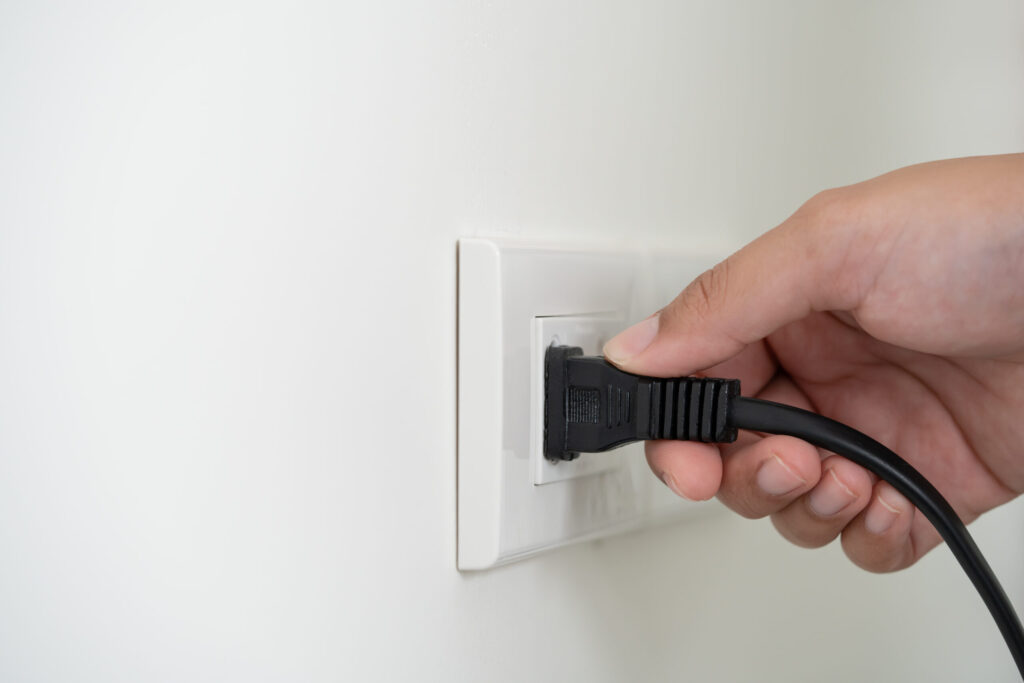
Water damage is the quiet threat inside outdoor outlets used for holiday light displays, and it often goes unnoticed until something fails. Repeated freeze and thaw cycles push moisture into the outlet box, where it corrodes the metal contacts and copper conductors. Corroded terminals build up resistance, which generates heat every time current flows through them. That heat is a fire risk, and it also causes flickering lights and intermittent power that seem to make no sense. A receptacle that looks fine on the outside can hide serious corrosion behind the cover plate. This is why sealing your outlets before the season matters so much.
Signs of water damage inside an outlet include discoloration around the slots, a faint burning smell, or a warm cover plate. Rust stains on the plate or visible moisture beading inside a clear cover are clear warnings that water has gotten in. If you notice any of these, stop using the outlet immediately and keep it dry until an electrician can inspect it. Do not plug more lights into a suspect outlet in the hope that it will still work, because a damaged receptacle can fail suddenly under load. Water and electricity together create both shock and fire hazards, and holiday displays run for weeks at a time with little supervision. The safe move is always to shut the outlet down and have it checked.
Preventing water damage in the first place comes back to good covers, proper seals, and outdoor rated cords, but repair is sometimes unavoidable. When water has already reached the wiring, an electrician will replace the corroded receptacle, inspect the cable for damage, and reseal the box against future intrusion. In some cases the moisture has traveled down the wire into the wall, which calls for a more thorough repair. Catching the problem early keeps that repair small and inexpensive. Left alone, water damage spreads and eventually forces a much larger job. A quick inspection before you hang lights spares you the headache of a mid season failure and keeps your holiday light displays glowing safely.
Overloaded Circuits From Large Holiday Light Displays
Overloaded circuits are the most predictable problem with large holiday light displays, and they follow directly from too much load on one outlet. When the combined draw of your lights and inflatables exceeds the circuit rating, the breaker trips to prevent the wiring from overheating. This is a protective response, not a malfunction, so repeatedly resetting the breaker without reducing the load only puts the wiring at risk. Overloaded circuits generate heat inside the walls where you cannot see it, and that hidden heat is a genuine fire hazard. The fix is to reduce the load on that outlet or to distribute the display across more circuits. Simply flipping the breaker back on and hoping is the wrong approach.
Daisy chaining multiple power strips and extension cords into a single outlet is a common cause of overload, and it concentrates far more current than one receptacle should handle. Each connection point in a long chain of cords also adds resistance and another spot where heat can build. Instead of stacking cords, plan your display so that heavy loads spread across separate outlets on different circuits. If your home only has one or two exterior outlets, that limitation forces everything onto too few circuits. Running indoor cords out through a window or door to reach more outlets creates its own hazards and should be avoided. The real solution is more outdoor capacity, not more cords.
A large or growing display often outpaces the electrical capacity a home was built with, especially in older Lakes Region houses. Adding dedicated outdoor circuits gives your holiday light displays the power they need without borrowing capacity from the rest of your home. This also keeps essential indoor circuits free, so your display never competes with the kitchen or living room for power. An electrician can evaluate your panel, confirm there is room for new circuits, and install outlets exactly where your display needs them. Whole house surge protection is worth considering at the same time, since it guards your electronics against spikes during winter storms. Our whole house surge protection service pairs well with a display upgrade and protects far more than just your lights.
Why You Need a Professional Electrician for Your Holiday Light Displays
Some holiday lighting prep you can handle on your own, but the wiring behind your outdoor outlets belongs to a licensed electrician. Testing a GFCI or upgrading a cover is simple homeowner work, yet adding circuits, repairing water damage, and fixing faults are jobs that require training and the right permits. A professional makes sure your holiday light displays run safely for the whole season and meet the electrical code that keeps your family protected. The cost of hiring an electrician is small next to the cost of a house fire or a serious shock. Below we cover when to make the call, how new outlets improve your display, and why local homeowners trust our team.
When to Call an Electrician for Holiday Light Displays
Call an electrician for your holiday light displays anytime an outlet trips repeatedly after you have ruled out water and damaged cords. Persistent tripping that resists every simple fix points to a wiring problem that only a professional can safely diagnose. You should also call when you notice any sign of water damage, such as discoloration, a burning smell, or a warm cover plate, since those signals mean moisture has reached live parts. A dead outlet that will not deliver power even after you check the breaker is another clear reason to reach out. These situations involve hidden wiring that is dangerous to probe without training. Getting a professional in early keeps a small issue from becoming a big one.
You should also bring in an electrician before the season if your display has grown beyond your current outlets. Planning new circuits in the fall gives you time to have the work done properly rather than scrambling once the breaker starts tripping in December. An electrician can assess your panel, confirm you have capacity, and install outlets right where you need them. This forward planning turns a stressful holiday problem into a simple one time upgrade. It also lets you expand your display in future years without worry. Early scheduling means the work is finished long before you hang the first strand.
Safety concerns beyond outlets are worth a call as well, since your whole exterior electrical system supports your display. Flickering lights across the house, a warm panel, or breakers that trip without a clear cause all deserve professional attention. These symptoms sometimes appear only under the heavy load of a holiday display, which makes the season a good time to catch them. An electrician can inspect your service, panel, and outdoor wiring together for a complete picture. Addressing these issues protects your home year round, not just during the holidays. When something feels wrong with your electrical system, trust that instinct and make the call.
How New Outdoor Outlets Improve Your Holiday Light Displays
New outdoor outlets transform how easily and safely you can run your holiday light displays each year. Adding dedicated exterior receptacles removes the need for long cords snaking across the yard and through windows. Each new outlet placed near a display zone gives you a clean, protected power source right where you need it. This cuts down on tripping hazards, cord damage, and the moisture problems that come from junctions sitting in the snow. A well placed outlet also makes setup and takedown far faster every season. The convenience alone makes the upgrade worthwhile for anyone who decorates heavily.
Modern outdoor outlets come with GFCI protection, weather resistant construction, and in use covers built right in. That means the safety features you have to add manually to older outlets come standard on new installations. Some homeowners even add smart outlets that let you schedule your display or control it from your phone. Timers and smart controls save energy by shutting lights off automatically during the day and overnight. These features turn a basic power source into a tool that makes your whole display easier to manage. New outlets deliver both safety and everyday convenience in one upgrade.
New outlets also let you distribute your load correctly, which ends the cycle of tripped breakers on busy nights. When each section of your display draws from its own circuit, no single outlet gets overwhelmed. This is the difference between a display that runs flawlessly all season and one that fails during the first cold snap. An electrician can plan the outlet placement and circuits around the exact layout you want. That planning ensures your display has room to grow in the years ahead. Investing in proper outdoor outlets pays you back every holiday season with reliable, worry free lighting.
Why Choose Whiting Electrical Services for Your Holiday Light Displays
Whiting Electrical Services brings a level of care and craftsmanship that local homeowners count on for their holiday light displays. We back our work with a Lifetime Craftsmanship Warranty, so the outlets and circuits we install are protected for as long as you own your home. Our reputation is strong enough that Mr. Beast and WillScot have trusted us with their electrical projects, and we hold an A rating with the Better Business Bureau. That track record reflects our commitment to five star service on every job, large or small. When you hire us, you get licensed professionals who treat your home and your safety as the priority. We show up on time, do the work right, and stand behind it.
Our team knows New Hampshire weather and understands exactly what outdoor outlets face through a Lakes Region winter. We install GFCI protected, weatherproof outlets built to handle snow, ice, and freezing rain without failing. We also help you plan circuits and load so your display runs all season without tripping a single breaker. As a Generac Certified Dealer and Service Provider, we handle whole home electrical needs beyond just holiday lighting. That breadth of experience means we can spot and solve problems other companies miss. Your display and your home are in capable, local hands.
We are proud to give back to the people who serve our communities with a 10 percent discount for veterans, first responders, and paramedics. Getting your outdoor outlets ready for the holidays is easy when you work with a team that values honesty, quality, and safety. Reach out today to schedule an inspection or an outlet upgrade before the season arrives, and let us handle the electrical work so you can focus on the fun. Call Whiting Electrical Services at (603) 512-3887 to book your appointment or ask any questions about powering your holiday light displays safely. We are located at 140 Court St B in Laconia and proud to serve homeowners across the Lakes Region. Let us help you light up the season the right way.