How Backup Power Keeps Your Home Running During Storm Season
New Hampshire storm season brings powerful thunderstorms, heavy wind, and the kind of weather that knocks out power lines across the Lakes Region every summer. When the grid goes down, your refrigerator stops cooling, your sump pump stops running, and your home loses the climate control that keeps everyone comfortable during a hot July night. A reliable backup power system changes that experience completely, restoring electricity within seconds and keeping your household functional while neighbors sit in the dark. Homeowners in Laconia, Gilford, and Meredith depend on backup generators to ride out outages that can stretch from a few hours to several days after a strong storm rolls through. The right system protects your food, your water, your medical equipment, and the electronics your family uses every day. Backup power also adds real value to your property and gives you peace of mind long before the next forecast turns severe. This guide explains how backup power works, how to choose the correct system for your home, and why professional installation matters most when storm season arrives.
How Backup Power Protects Your Home During Storm Season
Backup power protects your home by stepping in the moment utility power fails during a storm. A standby generator monitors the incoming electrical supply around the clock and reacts instantly when it detects an outage. The system restores power to your electrical panel without any manual effort from you, which matters most in the middle of the night or while you are away from the house. Severe weather in New Hampshire often arrives fast, and downed trees can leave entire neighborhoods without service for long stretches. A carefully planned backup power setup keeps your essential systems alive through every minute of that disruption. Understanding how each piece works helps you see why a permanent system outperforms a portable unit when serious storms hit the Lakes Region.
How a Standby Generator Delivers Backup Power During Storm Season
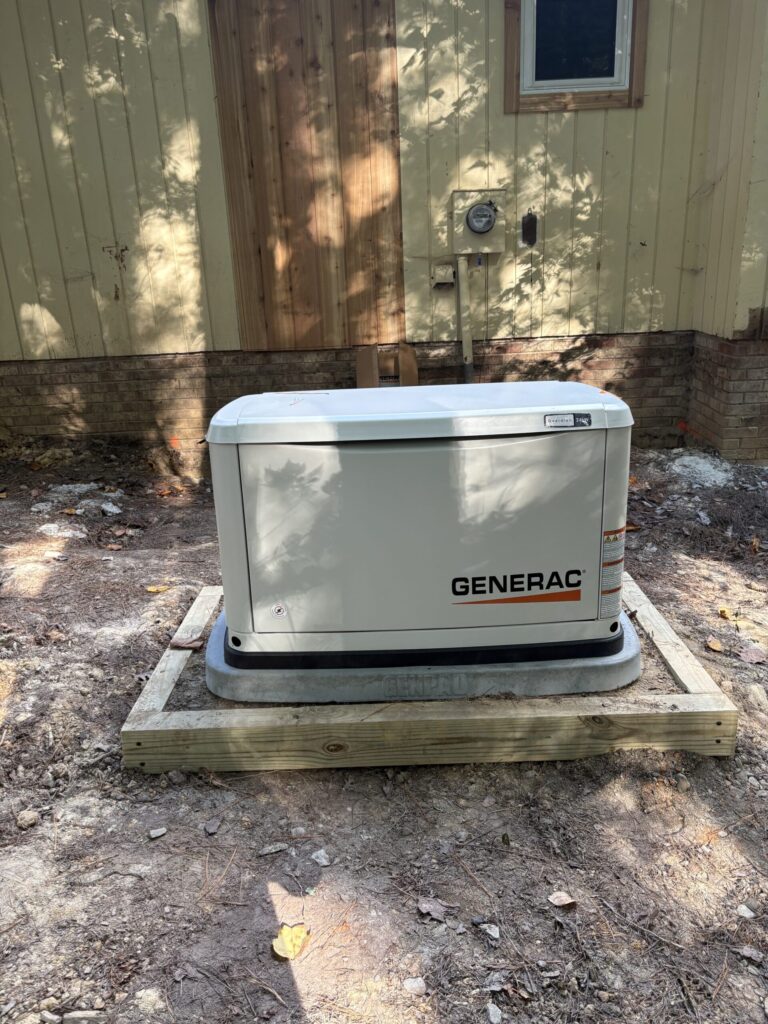
A standby generator sits permanently outside your home on a level pad, usually placed a safe distance from windows and doors as required by code. The unit connects directly to your electrical panel and to a fuel supply, so it stands ready to run the moment the grid fails. When a storm knocks out utility power, the generator senses the loss within seconds and starts its engine automatically. It then sends clean, steady electricity into your home through a dedicated transfer switch that isolates your house from the damaged grid. This automatic operation means you never have to drag equipment outside in driving rain or fumble with extension cords during a dangerous storm. The whole sequence happens so quickly that many homeowners barely notice the brief gap in power.
Standby generators run on natural gas or propane, which removes the need to store gasoline or refuel during a long outage. That fuel supply keeps the unit running for days when severe weather lingers over central New Hampshire. A correctly sized standby generator can power your furnace blower, well pump, refrigerator, lights, and key outlets all at once, depending on the load you choose to support. The engine and alternator work together to produce a consistent voltage that protects sensitive electronics from the dips and spikes that often come with grid failures. Because the unit lives outside in a weather rated enclosure, it withstands rain, snow, and wind throughout every season. This rugged design makes a standby generator the strongest backup power option for homes that lose power often. If you are ready to add a permanent system, click here for our generator installation service.
A standby generator also runs a regular self test, often once a week, to confirm that every component is ready before the next storm. During this short exercise cycle, the unit starts, runs for a few minutes under controlled conditions, and shuts itself down. This routine keeps the battery charged, the engine lubricated, and the fuel system clear so the generator performs when you truly need it. Generac, the brand we install and service as a certified dealer, builds these systems with monitoring features that alert you to any issue before it becomes a failure. You can track the status of your generator from your phone, which gives you confidence even when you are far from home. A unit that checks itself this way removes the guesswork that comes with relying on older or portable equipment. That dependability is exactly why standby generators have become the standard for serious storm protection.
How Backup Power Keeps Essential Systems Running During Storm Season
The core value of backup power comes from the systems it keeps alive while the grid is down. Your refrigerator and freezer hold hundreds of dollars of food, and a long outage during a summer heat wave can spoil all of it within a single day. Backup power keeps those appliances cold from the first minute, which protects your groceries and saves you the cost of replacing everything. A working refrigerator also matters for families that store insulin or other temperature sensitive medications, where a failure carries far more than a financial cost. Your home stays livable because the power that keeps food safe also keeps the rest of the house functional. This protection becomes especially important during the long, stormy stretches that central New Hampshire sees each summer.
Backup power also supports the systems that protect your home from water damage during heavy rain. A sump pump in your basement relies on electricity to push out the water that storms drive into the ground around your foundation. When the grid fails at the exact moment rain is heaviest, an unpowered sump pump lets water rise until it floods your basement and ruins flooring, drywall, and stored belongings. A backup generator keeps that pump cycling through the worst of the storm, which prevents thousands of dollars in repairs. Well pumps fall into the same category, since a home on a private well loses running water the second power goes out. Backup power restores your water supply for drinking, cooking, and sanitation, which keeps daily life moving even when the storm refuses to let up.
Comfort and safety systems round out the list of what backup power protects during a storm. Your furnace, heat pump, or central air handler needs electricity to circulate conditioned air through your home, and losing that during extreme weather puts vulnerable family members at risk. Backup power keeps your heating and cooling alive so the indoor temperature stays safe for children, older adults, and pets. Lighting also returns to the home, which removes the hazards that come with navigating dark stairs and rooms by candle or flashlight. Garage doors, security systems, internet equipment, and medical devices all come back online, which keeps you connected and protected. With the right backup power plan, your home continues to function almost exactly as it does on a clear day. That seamless experience is the real promise of a properly installed standby generator.
How an Automatic Transfer Switch Manages Backup Power During Storm Season
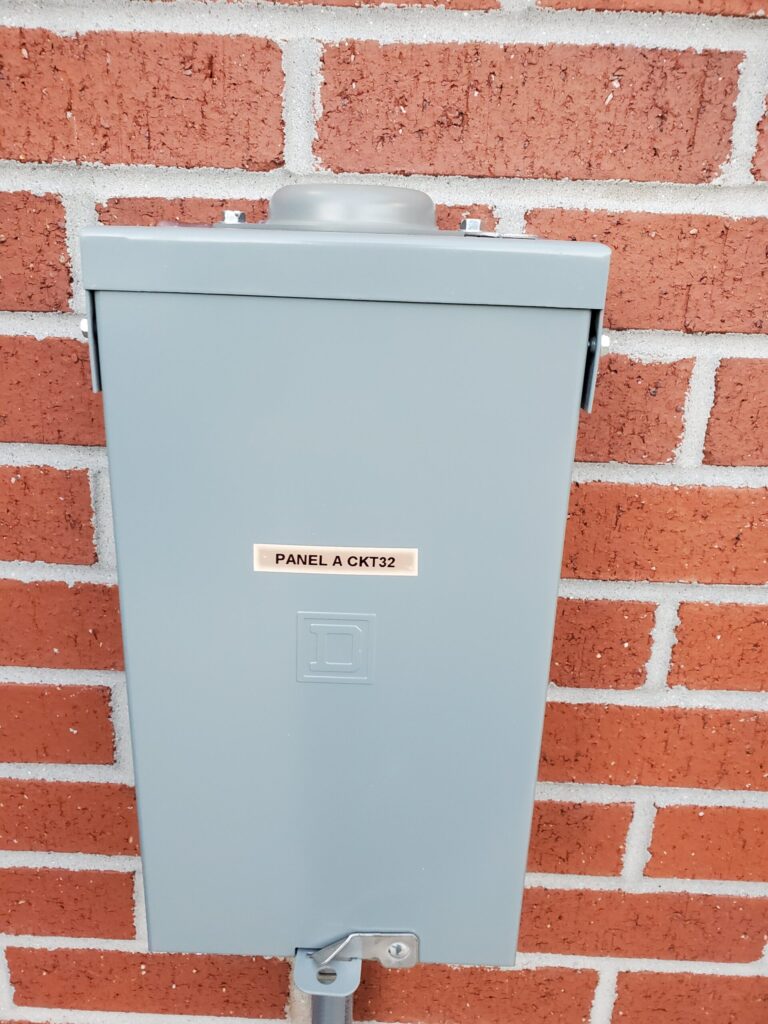
The automatic transfer switch is the brain that controls how backup power reaches your home during a storm. This device sits between your utility connection, your generator, and your electrical panel, and it constantly watches the incoming power supply. The moment it detects a loss of utility voltage, it disconnects your home from the grid and signals the generator to start. Once the generator is producing stable power, the switch transfers your home’s electrical load over to that source within seconds. When utility power returns, the switch senses the restored supply, moves your home back to the grid, and tells the generator to shut down and cool off. All of this happens automatically, so you never have to operate anything by hand during a dangerous storm.
This automatic operation does far more than add convenience, because it also protects line workers and your own equipment. When the transfer switch isolates your home from the grid, it prevents your generator from sending power backward onto utility lines, a dangerous condition known as backfeed. Backfeed can injure or kill the crews working to restore service in your area, which is why code requires a proper transfer switch for any permanent system. The switch also protects your generator and appliances by making sure two power sources never connect to your home at the same time. A licensed electrician installs and configures this device to match your panel and your local code requirements. Skipping this step or relying on improvised wiring creates serious safety and legal problems that no homeowner should risk.
The transfer switch also determines how much of your home receives backup power during an outage. Some systems power your entire panel, while others focus on a selected group of essential circuits to match a smaller generator. A whole home switch supports every load at once, while a managed switch prioritizes critical systems and sheds lower priority loads as needed to stay within the generator’s capacity. Our team helps you decide which approach fits your home, your budget, and the way your family uses electricity. We then size the generator and the transfer switch together so the two work as a matched pair, which is essential for reliable performance. This careful planning is what separates a backup power system that truly works from one that struggles under load. Proper engineering at this stage saves you frustration during the very storms the system is built to handle.
Choosing the Right Backup Power System for Storm Season
Choosing the right backup power system starts with an honest look at how your home uses electricity. Every house has a different mix of appliances, heating equipment, and daily needs, and those factors determine the size and type of generator that fits best. A system that is too small leaves you without power for important loads, while an oversized unit wastes money and fuel. The decision also involves your fuel source, your property layout, and how often your area loses power during storms. A professional load calculation removes the guesswork and points you toward the system that matches your home precisely. Taking the time to choose correctly means your investment pays off through years of dependable storm season protection.
Sizing Your Backup Power System for Storm Season
Sizing your backup power system correctly is the single most important step in the entire process. Generators are rated in kilowatts, and that rating must cover the total electrical load you expect to run during an outage. An electrician calculates this by adding up the demand of your furnace blower, well pump, refrigerator, lights, and any other circuits you want to keep alive. Some appliances, especially well pumps and air conditioners, draw a large surge of power the instant they start, and the generator must handle that spike without stalling. A proper sizing calculation accounts for both the running load and these brief startup surges. Skipping this analysis often leads to a unit that trips, overloads, or fails to start the equipment you depend on most.
Your heating and cooling equipment usually drives the largest part of the sizing decision in a New Hampshire home. Central air conditioning, heat pumps, and electric furnaces all pull heavy loads, and a generator must be large enough to start and run them without strain. Homes that rely on a well pump for water need extra capacity built into the calculation as well, since that pump cycles on and off throughout the day. A licensed electrician reviews your panel, your appliance nameplates, and your lifestyle to build an accurate picture of your true demand. From there, the electrician recommends a generator size that covers your needs with a sensible margin for comfort. This margin keeps the generator from running at full strain, which extends its life and improves its reliability over many storm seasons.
The right size also depends on how much of your home you want to power at once. A family that simply wants to protect food, water, and a few lights can choose a smaller, more affordable unit paired with a managed transfer switch. A household that wants the entire home to run normally during an outage needs a larger whole home generator that supports every circuit. Both approaches work well when an electrician sizes and installs them correctly, and the best choice comes down to your priorities and your budget. We walk you through these options in plain terms so you understand exactly what each system will and will not power. This clarity helps you make a confident decision rather than a rushed one. A correctly sized system rewards you with quiet, steady performance every time the grid goes down.
Comparing Fuel Sources for Backup Power During Storm Season
Fuel choice plays a major role in how your backup power system performs during a long storm. Standby generators in New Hampshire typically run on natural gas or propane, and each option carries clear advantages. Natural gas connects to your existing utility line, which means the generator draws a steady supply without any tank to refill or monitor. This setup works extremely well for homes already served by a gas line, since the fuel keeps flowing through outages of any length. The convenience of an uninterrupted supply makes natural gas a popular choice for homeowners who want a system they can simply forget about. A licensed electrician coordinates with a gas fitter to connect the line safely and correctly.
Propane offers a strong alternative for homes that lack a natural gas connection, which describes much of rural central New Hampshire. A propane generator draws from a dedicated tank on your property, and a large tank holds enough fuel to run your home for many days. Propane stores well over long periods without breaking down, so the fuel stays ready even when the generator sits idle for months between storms. This stability gives propane an edge over gasoline, which degrades over time and forces you to manage refills during dangerous weather. Homeowners can size their propane tank to match how long they want to run the generator without a delivery. Many families choose a tank large enough to cover the worst outages their area has ever seen.
Portable generators that run on gasoline serve as a budget option, but they carry real limits during serious storms. Gasoline units require you to store fuel safely, refill the tank by hand every few hours, and run the machine outside far from any window because of deadly carbon monoxide. They also demand manual setup with extension cords or an interlock kit, which is no easy task during heavy rain and wind. For occasional, short outages, a portable unit can keep a few items running in a pinch. For the long, severe storms that New Hampshire sees each year, a permanent standby generator on natural gas or propane is the safer and more reliable choice. Our team helps you weigh these fuel options against your property and your needs so you land on the right long term solution.
Maintaining Your Backup Power System Before Storm Season
Maintaining your backup power system before storm season keeps it ready to perform when the next outage hits. A standby generator is a machine with an engine, oil, filters, and a battery, and each of those parts needs regular attention. Skipping maintenance is the most common reason a generator fails to start during the exact storm it was meant to handle. A professional service visit checks the oil, replaces filters, inspects the battery, and confirms that the unit starts and transfers load correctly. This routine catches small problems before they grow into failures, which protects the reliability you paid for. The best time to service your system is before the heaviest storm months, not during them.
The battery deserves special attention, since it is the part most likely to leave you without power when you need it. A standby generator relies on its battery to crank the engine and start the unit the instant the grid fails. Batteries weaken over time and often die in cold weather, so a technician tests and replaces them on a sensible schedule. Oil and filters also require regular changes, because dirty oil and clogged filters strain the engine and shorten its life. A trained technician follows the manufacturer’s service intervals to keep your Generac unit performing exactly as designed. This professional care keeps your warranty intact and your system dependable for many years. If your generator is due for a checkup, click here for our generator maintenance service.
Regular maintenance also gives you a chance to catch wear and damage that storms and seasons cause over time. Rodents sometimes nest inside generator enclosures, debris can block air vents, and connections can loosen with vibration and temperature swings. A service technician inspects the full unit, clears any obstructions, and tightens hardware so the generator runs cleanly. The technician also reviews the transfer switch and the control board to confirm that every electronic component responds correctly. When something needs attention beyond routine care, our team handles the repair quickly so you are never caught off guard. A maintained generator runs quietly, starts reliably, and protects your home through every storm the season brings. If a unit ever stops working as it should, our generator repair service gets it back online fast.
Why You Need Professional Backup Power Installation Before Storm Season
Professional installation turns a generator from a box on a pad into a system you can trust through any storm. Backup power involves high voltage wiring, fuel connections, transfer switches, and strict code requirements that demand a licensed electrician. A poor installation creates fire risks, carbon monoxide hazards, and the danger of backfeed onto utility lines. Permits and inspections also protect you, your home, and the workers restoring power in your area. Getting this work done correctly before storm season means your system is ready the moment the sky turns dark. The right team handles every detail so you can focus on keeping your family safe.
Why Professional Backup Power Installation Matters for Storm Season
Professional backup power installation matters because the work touches the most dangerous systems in your home. Connecting a generator to your electrical panel involves your main service wiring, which carries enough voltage to injure or kill an untrained person. A licensed electrician sizes the conductors, installs the transfer switch, and bonds everything correctly to meet New Hampshire code. The electrician also coordinates the fuel connection so the gas or propane line is safe, leak free, and properly sized for the generator’s demand. Every one of these steps protects your home from fire, shock, and equipment damage. This is not a project for guesswork or shortcuts, and the stakes during a storm are simply too high.
Permitting and inspection are part of a proper installation, and they exist to protect you. A licensed electrician pulls the required permits and arranges the inspections that confirm the work meets code. This process gives you documented proof that your system was installed safely, which matters for insurance and for the resale value of your home. It also means a second set of trained eyes verifies the work before you rely on it during severe weather. Cutting corners to avoid permits leaves you exposed to liability and to systems that may fail at the worst possible time. Our team handles the entire permitting and inspection process so the job is done right and on record.
A professional installation also sets your system up to last and to perform under real storm conditions. We place the generator where it meets code clearances, drains properly, and stays accessible for future service. We configure the transfer switch to match your panel and your load priorities so the system behaves exactly as planned. We test the full setup under load before we leave, which confirms that the generator starts, transfers, and runs your circuits correctly. This complete approach removes the surprises that come with rushed or amateur work. When the next storm hits, you can trust that every connection was made by a licensed professional who stands behind the work.
Why Backup Power Surge Protection Matters During Storm Season
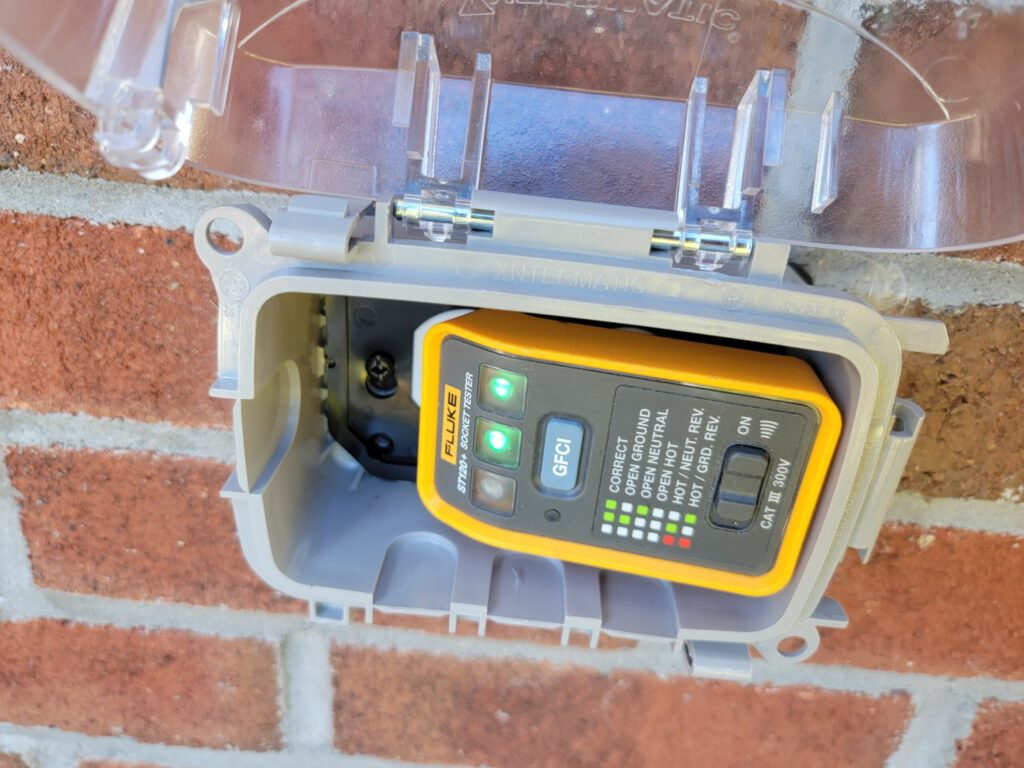
Backup power surge protection matters because storms send damaging voltage spikes through your electrical system. Lightning strikes and grid switching create sudden surges that travel along utility lines and into your home in an instant. These spikes can fry televisions, computers, appliances, and the sensitive electronics inside your heating and cooling equipment. A whole house surge protector installed at your panel intercepts these surges and diverts the excess energy safely to ground. This single device guards every circuit in your home at once, which protects far more than a simple plug in strip ever could. During storm season, that layer of protection is just as important as the backup power itself.
Surge protection works hand in hand with your backup power system to keep your home safe and functional. When utility power returns after an outage, the moment of reconnection can send a spike through your panel, and a surge protector absorbs that hit. Your generator already supplies clean voltage during the outage, and surge protection covers the transitions on either side. Together, these systems shield your investment in electronics and appliances from the most common storm related damage. A licensed electrician installs the surge protector directly at your panel so it covers your entire home. This professional placement gives you reliable protection that a homeowner cannot match with outlet level devices alone.
Adding surge protection during your generator installation is an efficient and cost effective choice. The electrician is already working at your panel, so installing a whole house surge protector at the same time saves a separate visit. This combined approach gives you a complete storm defense package, with backup power for outages and surge protection for voltage spikes. Many homeowners overlook surge protection until a lightning strike destroys thousands of dollars of equipment, and by then the damage is done. Protecting your home before the next storm is always smarter than replacing ruined electronics afterward. To shield your home from damaging spikes, click here for our whole house surge protection service.
Why Choose Whiting Electrical Services for Backup Power Installation
Whiting Electrical Services brings the experience, certification, and care that backup power installation demands. We are a Generac Certified Dealer and Service Provider, which means our team is trained and authorized to install and maintain the systems we recommend. We back our work with a Lifetime Craftsmanship Warranty, so you know the installation is built to last and supported for the long run. Our A rating with the Better Business Bureau reflects the trust we have earned across Laconia and the surrounding Lakes Region communities. Companies like Mr. Beast and WillScot have trusted us for their electrical projects, which speaks to the standard we hold on every job. When you choose us, you choose a team that treats your home and your safety with real respect.
We serve homeowners throughout central New Hampshire, including Laconia, Gilford, Meredith, Belmont, Franklin, Concord, and the towns around them. Our electricians take the time to size your system correctly, install it to code, and test it fully before we hand it over. We also offer a ten percent discount for veterans, first responders, and paramedics as a thank you for their service to our community. Every project reflects our commitment to delivering a five star service experience from the first call to the final inspection. We explain your options in plain language so you understand exactly what you are getting and why. That honest, straightforward approach is the foundation of everything we do.
When storm season arrives, you want a backup power system installed by a team you can count on, and that is exactly what we provide. From the first load calculation to ongoing maintenance, we stand beside you to keep your home powered and protected. If you have an outage emergency, our emergency electrician service is ready to respond when you need help fast. Reach out today to schedule your backup power consultation and get your home ready before the next big storm hits the Lakes Region. Call Whiting Electrical Services now at (603) 512-3887 to speak with our team and protect your home for storm season.