Is Your Electrical Panel Ready for Winter Heating Demands
Winter in New Hampshire pushes home electrical systems harder than any other season of the year. When temperatures drop, your furnace blower, heat pump, space heaters, and other heating equipment start pulling large amounts of power at the same time. Your electrical panel sits at the center of all that activity, splitting incoming power into the branch circuits that feed every room in your house. A panel that handled your electrical load comfortably in July may sit right at the edge of its capacity in January. Many homeowners never think about the panel until a breaker trips during the first cold snap. That is the worst possible time to discover a problem, because heating outages during a New Hampshire winter can freeze pipes and create real safety risks. Checking your panel before the cold arrives gives you time to fix small issues before they become emergencies. This guide walks through how winter heating loads affect your panel, what warning signs to watch for, and how to get your electrical system ready for the coldest months.
How Winter Heating Demands Affect Your Electrical Panel
Your electrical panel has a fixed amperage rating, and that number sets the ceiling on how much power your home can draw at one time. Most modern homes carry a 200 amp panel, while many older houses still run on 100 amp service that was sized for a very different era of appliances. Heating equipment is among the most power hungry gear in any home, and electric heat in particular can consume enormous amounts of current. When several heating loads run together, the combined draw climbs quickly toward the panel rating. Add in everyday demands like the water heater, dryer, oven, and lighting, and a marginal panel starts to strain. The panel does not fail all at once; it shows small symptoms first. Understanding those early signs helps you act before a breaker trips in the middle of a snowstorm. The sections below break down exactly how these loads stack up and why some panels handle them better than others.
How Winter Heating Demands Add Load to Your Electrical Panel
Electric heating equipment draws far more current than most people realize, and that is where the strain begins. A single portable space heater typically pulls around 1,500 watts, which translates to roughly 12.5 amps on a standard 120 volt circuit. That one device can nearly max out a 15 amp branch circuit by itself, leaving almost no room for anything else plugged into the same line. Electric furnaces and electric baseboard heat draw even more, often measured in the tens of amps across dedicated 240 volt circuits. Heat pumps, which have become popular across the Lakes Region, add both a compressor load and an auxiliary electric heat strip that kicks in during very cold weather. When all of this equipment runs at once during a deep freeze, the total household draw can spike dramatically. Your panel has to deliver every bit of that current without exceeding its rating.
The problem grows when heating loads overlap with the appliances you already use every day. Morning routines are a good example, because that is when people run the coffee maker, toast bread, dry a load of laundry, and warm up the house all within the same window. Each of those actions pulls current through the same panel, and the meter does not care that it is cold outside. If your panel was sized decades ago for a smaller electrical footprint, it simply was not designed for this level of simultaneous demand. Modern homes carry more electronics, larger appliances, and more heating options than the homes these older panels were built to serve. The gap between what your panel can supply and what your winter lifestyle requires is where trouble starts. That gap widens every year as families add devices and upgrade to more powerful equipment.
Cold weather itself makes electrical demand less predictable and often higher than expected. During an extended cold stretch, heating equipment runs longer cycles and rests for shorter periods, which keeps current flowing through your panel for hours at a stretch. Heat pump systems lean harder on their backup electric heat strips when outdoor temperatures fall below their efficient operating range, and those strips are heavy consumers of power. Sustained high draw generates heat inside the panel and across the breakers and wiring connections. Over time, that heat can loosen connections and accelerate wear on components that were already near their limits. A panel that seems fine during a mild week can reveal its weaknesses the moment a serious cold front settles over central New Hampshire. This is why a summer or early fall check makes so much sense, since it catches these issues before the sustained loads of deep winter arrive.
Warning Signs Your Electrical Panel Is Struggling With Winter Heating Demands
Breakers that trip repeatedly are the clearest sign that your panel is being pushed past its comfortable limit. A breaker is a safety device, and it does its job by cutting power when a circuit draws more current than it can safely carry. An occasional trip after plugging in a heavy appliance is normal, but frequent trips during cold weather point to a circuit or panel that cannot keep up with your heating load. You may notice that the same breaker trips every time your space heater and another device run together. Resetting the breaker over and over is not a fix; it is a warning that you keep ignoring. Each trip represents the system protecting itself from an overload that could otherwise overheat wiring. When trips become a regular part of your winter routine, the panel is telling you it needs attention.
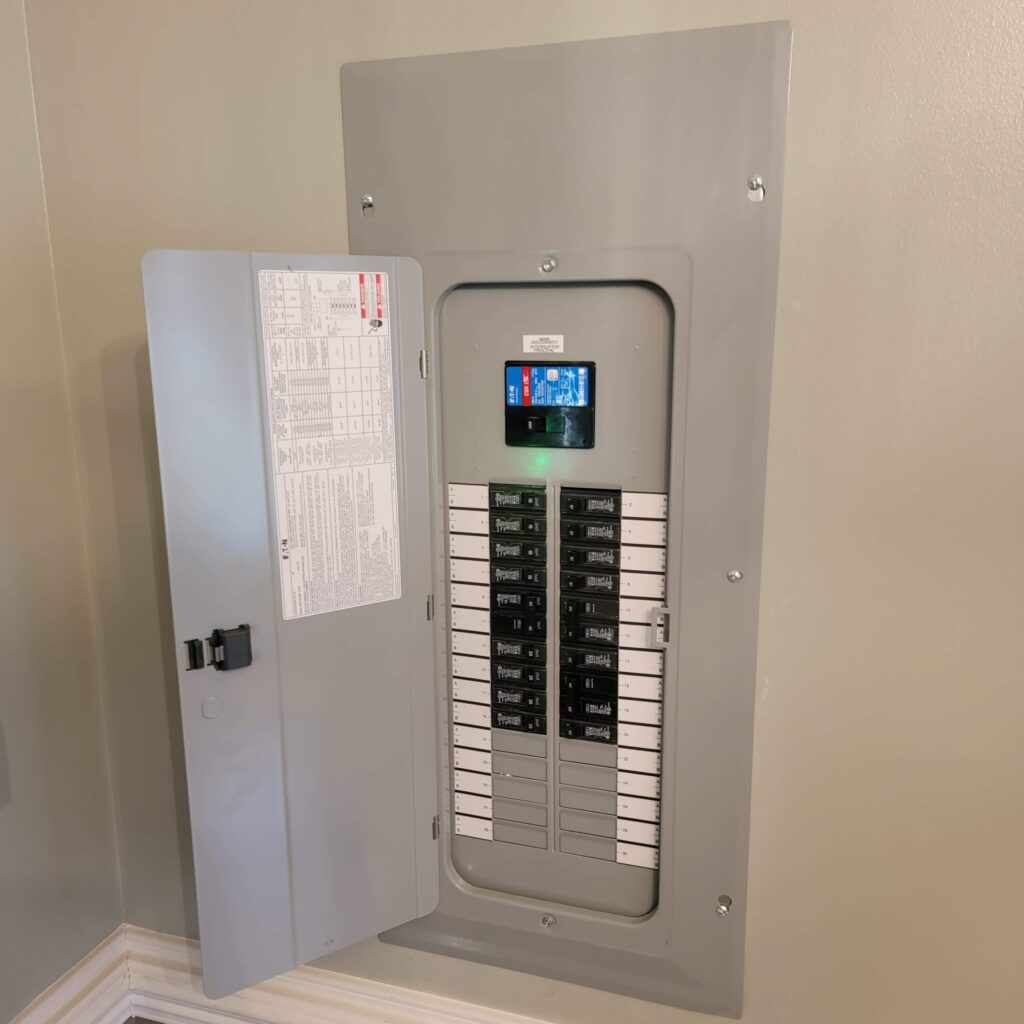
Physical symptoms at the panel itself deserve immediate attention because they signal deeper problems. A panel or breaker that feels warm or hot to the touch is not normal and points to loose connections or overloaded circuits generating excess heat. A buzzing or humming sound coming from inside the panel can indicate a failing breaker or a connection that is arcing under load. The most serious sign is any smell of burning plastic or hot metal near the panel, which calls for you to stop using the affected circuits and contact an electrician right away. Scorch marks, discoloration, or melted spots around breakers are evidence that damage has already occurred. These are not cosmetic issues; they are the early stages of conditions that cause electrical fires. If you notice any of them during the heating season, treat the situation as urgent.
Lighting and appliance behavior throughout the house can also reveal a panel under stress. Lights that flicker or dim when the furnace kicks on or when a large heater cycles suggest the system is momentarily struggling to supply enough current. Outlets that stop working, or circuits that feel weaker than they used to, can point to overloaded lines or aging components. You might find that certain rooms cannot run a heater and a few other devices without something shutting down. These symptoms often start small and get dismissed as quirks of an old house. In reality, they are measurable signs that your electrical demand has outgrown your panel. Catching them early gives you the chance to address the cause before winter pushes the system to a breaking point. If your panel is showing damage or repeated failures, our team can help; click here for our electrical panel repair service.
Why Older Electrical Panels Fail Under Winter Heating Demands
Age alone puts many New Hampshire panels at a disadvantage when winter heating loads arrive. A 100 amp panel was standard in homes built or wired in the mid twentieth century, and that capacity fit the appliances of the time. Since then, homes have added central heating and cooling, larger kitchens, home offices, and a long list of electronics that draw steady power. Electric heating options like heat pumps and supplemental heaters simply did not exist in most homes when these panels were installed. Trying to run a modern winter load through a decades old 100 amp panel leaves very little margin for safety. The panel may function most of the year and then falter exactly when you need heat the most. That mismatch between old capacity and modern demand is one of the most common reasons homeowners face winter electrical failures.
Certain older panel brands carry known safety problems that make them especially risky under heavy load. Federal Pacific Electric panels, often labeled with the Stab Lok name, have a documented history of breakers that fail to trip when they should, which defeats the entire purpose of the protection. Zinsco panels share similar reliability concerns, with breakers that can fail or damage the bus bar over time. When these panels carry the sustained heavy loads of winter heating, the risk of an undetected overload rises significantly. A breaker that will not trip cannot protect the circuit from overheating, and that is a direct fire hazard. Many homeowners have no idea which brand of panel sits in their basement or garage. An inspection can identify these panels and confirm if a replacement is the safest path forward.
Beyond brand and capacity, general wear inside an aging panel creates hidden weak points. Decades of thermal cycling, where the panel heats up under load and cools down when idle, gradually loosens the connections that carry current. Corrosion can form on bus bars and lugs, especially in damp basements common to older New Hampshire homes. Breakers themselves have a service life, and older ones may not respond as reliably as they did when new. Each of these issues reduces the panel’s ability to handle a demanding winter safely. The heavy, sustained loads of the heating season are exactly the conditions that expose these weaknesses. A panel that has quietly aged for thirty or forty years may not have the reserve strength left to carry a modern cold weather load without trouble.
How to Prepare Your Electrical Panel for Winter Heating Demands
Getting your panel ready for winter is a straightforward process when you start early and work with a qualified electrician. The goal is to confirm that your panel has enough capacity, sound connections, and properly matched circuits to carry your heating load safely through the coldest weeks. That usually begins with a thorough inspection, which establishes the current condition of the panel and reveals any hidden problems. From there, the right steps depend on what the inspection finds. Some homes need only minor corrections, like tightening connections or replacing a worn breaker. Others benefit from a service upgrade that raises the panel’s total capacity to match modern demand. Balancing the load across circuits can also make a meaningful difference in reliability. The sections below explain each of these steps and why they matter for winter readiness.
Scheduling an Electrical Panel Inspection Before Winter Heating Demands
An electrical panel inspection is the foundation of any winter readiness plan because it tells you exactly where your system stands. During the inspection, an electrician examines the panel rating, the condition of the breakers, and the integrity of the wiring connections inside the enclosure. They look for signs of overheating, corrosion, loose lugs, and any evidence of past arcing or damage. The electrician also checks that breakers are correctly sized for the circuits they protect, since a mismatched breaker can be dangerous under heavy load. This process gives you a clear picture of your panel’s health before winter demands it perform. Small problems found early are almost always cheaper and simpler to fix than emergency failures. An inspection turns guesswork into a concrete plan.
Timing matters a great deal when it comes to inspections, and earlier is always better. Scheduling an inspection in late summer or early fall gives you a comfortable window to address any findings before the heating season begins in earnest. If the inspection reveals that your panel needs a repair or upgrade, you have time to plan the work rather than scrambling during a cold snap. Electricians also tend to be busier once winter arrives and emergency calls increase, so booking ahead means you get on the schedule at a convenient time. A proactive inspection also lets you budget for any recommended work instead of facing an unexpected emergency expense. The goal is to enter winter with confidence rather than uncertainty. Planning ahead keeps you in control of the timeline and the cost.
An inspection also helps you understand your total electrical picture, which is valuable as homes add new equipment. Many homeowners are considering a heat pump, an electric vehicle charger, or a larger heating system, and each of those adds significant load. An electrician can assess how your existing panel would handle new additions and advise on capacity before you commit to a purchase. This prevents the frustrating situation of installing new equipment only to find the panel cannot support it. The inspection becomes a roadmap for both immediate winter safety and future upgrades. It aligns your electrical system with how your household actually uses power today. If you want a professional assessment of your panel before the cold arrives, click here for our electrical inspection service.
Upgrading Your Electrical Panel to Handle Winter Heating Demands
Upgrading from a 100 amp panel to a 200 amp panel is one of the most effective ways to prepare an older home for modern winter loads. The larger service provides significantly more headroom, which means your heating equipment and daily appliances can run together without pushing the panel to its limit. This extra capacity reduces nuisance breaker trips and lowers the risk of overheating under sustained load. A 200 amp panel also creates room for future additions like a heat pump or an electric vehicle charger, which many New Hampshire families are adopting. The upgrade replaces aging components with new breakers, bus bars, and connections rated for today’s demands. For homes still running decades old service, this single improvement often resolves a long list of recurring electrical frustrations. It is a lasting investment in both safety and everyday reliability.
A panel upgrade also addresses safety issues that go beyond raw capacity. Replacing a hazardous Federal Pacific or Zinsco panel removes a documented fire risk from your home entirely. New panels come with modern breakers that trip reliably and, in many cases, with added protections that improve overall safety. The upgrade brings your electrical service in line with current code, which matters for insurance, resale, and peace of mind. Fresh connections and new components eliminate the corrosion and wear that build up in aging equipment over the decades. For a home that has been limping along on marginal service, the difference after an upgrade is often dramatic. You gain a system built to handle winter without the constant worry of failure.
The process of upgrading a panel should always be handled by a licensed electrician because it involves the main service connection to your home. The work requires coordinating with the utility, pulling the proper permits, and following code requirements exactly. A professional ensures the new panel is correctly sized for your home’s real needs rather than a rough guess. They also make certain that grounding and bonding are done right, which is critical for both safety and proper operation. A quality upgrade is planned around your specific heating equipment and lifestyle, not a generic template. When done correctly, the new panel serves your home reliably for decades. If your home needs more capacity for winter, click here for our electrical service upgrade service.
Balancing Circuits to Support Winter Heating Demands
Even a properly sized panel benefits from thoughtful circuit balancing, which spreads your electrical load evenly across the system. A panel distributes power across two legs, and when heavy loads cluster on one leg, that side works harder while the other sits underused. Balancing the load means arranging circuits so that large draws like heaters, the dryer, and the oven do not all pile onto the same side. An electrician can review your panel and redistribute circuits to even out the demand. This reduces strain on individual breakers and helps the whole system run cooler and more reliably. Good balance is a simple concept that makes a real difference during high demand winter weeks.
Dedicated circuits for major heating equipment are another important part of a well prepared electrical system. High draw devices like electric furnaces, baseboard heat, and heat pumps should run on their own circuits sized specifically for their load. Sharing a heavy heating load with other outlets on the same circuit is a recipe for repeated trips and overheating. A dedicated circuit gives the equipment the full capacity it needs without competing against other devices. When homeowners add supplemental heat, an electrician can install the proper dedicated circuit rather than relying on an overtaxed general outlet. This keeps the heating equipment running smoothly and protects the rest of the home’s wiring. Proper circuit design prevents many of the common winter overload problems before they start.
Safe use of space heaters ties directly into circuit planning and everyday habits. Because a single space heater can nearly max out a standard circuit, plugging two heaters into the same circuit or the same outlet strip almost guarantees a trip. Space heaters should always plug directly into a wall outlet rather than into an extension cord or power strip, since those accessories are not built for that sustained load. Spreading heaters across different circuits, and keeping other high draw devices off those lines, greatly reduces the chance of an overload. An electrician can advise on which outlets are safest for heating equipment based on how your circuits are arranged. Small adjustments in how and where you plug in heaters make a meaningful safety difference. Combining smart habits with a well balanced panel keeps your home warm and protected all winter.
Why You Need a Professional to Ready Your Electrical Panel for Winter
Preparing your electrical panel for winter is not a task for guesswork or shortcuts, because the panel is the heart of your home’s electrical safety. A licensed electrician brings the training, tools, and code knowledge needed to evaluate your system accurately and fix problems the right way. Working inside a live panel carries serious risk, and professionals follow strict procedures to do it safely. They can spot hidden issues that a homeowner would easily miss, from a subtly overloaded circuit to a hazardous panel brand. Most importantly, professional work protects your family and your property during the season when heating failures are most dangerous. The peace of mind that comes from a properly prepared panel is worth every bit of the effort.
Why Professional Electrical Panel Service Matters Before Winter
A professional electrician evaluates your panel with an understanding of the full electrical system, not just the piece in front of them. They consider how your heating equipment, appliances, and daily habits combine to create your total winter load. This whole system view leads to solutions that actually solve the problem rather than treating a single symptom. A professional also carries the testing equipment needed to measure loads accurately and confirm that connections are sound. Their work meets code, which matters for safety, insurance, and the long term value of your home. Choosing a professional means the job gets done correctly the first time.
Safety is the central reason to leave panel work to a licensed electrician. The main panel connects directly to the utility’s service, and mistakes there can cause serious injury or fire. Professionals follow established safety procedures, use the right protective equipment, and know how to work around live components correctly. They also ensure that grounding and bonding are handled properly, which protects both people and equipment. A homeowner attempting this work risks both personal harm and creating a hidden hazard in the wall. The modest cost of professional service is small compared to the danger of a mistake.
Professional service also saves money over the long run by preventing bigger problems. Catching a loose connection or an overloaded circuit early avoids the damage and expense of a full failure later. A properly sized and balanced panel runs more efficiently and puts less wear on your equipment. Fewer breaker trips and outages mean fewer disruptions to your heating during the coldest weeks. A professional can also plan your electrical system around future needs, saving you from redundant work down the road. Quality service today protects your comfort and your budget for years to come.
Why Timing Your Electrical Panel Upgrade Before Winter Matters
Acting before the cold season arrives gives you a critical advantage in both scheduling and safety. When you plan panel work in advance, you avoid the rush of emergency calls that fill an electrician’s schedule during winter storms. Early action means the work happens on your timeline and at your convenience rather than under pressure. It also gives you room to compare options and make an informed decision about upgrades. Rushing a major electrical decision during a crisis rarely leads to the best outcome. Planning ahead keeps you calm and in control.
Timing also protects you from the real dangers of a winter heating failure. When a panel fails during a deep freeze, your heat can go out at the worst possible moment, risking frozen pipes and an unsafe home. Booking an inspection or upgrade before winter removes that risk entirely. You enter the season knowing your panel can carry the load your heating system demands. This confidence is especially valuable in central New Hampshire, where cold spells can be long and severe. A little planning now prevents a great deal of stress later.
There is also a financial benefit to acting early rather than waiting for an emergency. Planned electrical work lets you budget properly and avoid the premium costs that often come with urgent, after hours service. You can weigh the value of an upgrade against ongoing repairs on an aging panel and choose the smarter path. Early work also lets you take advantage of a full assessment that considers future additions like an EV charger or heat pump. Making one well planned improvement is far more efficient than a series of reactive fixes. Getting ahead of the season pays off in both savings and reliability.
Why Choose Whiting Electrical Services for Your Electrical Panel
Whiting Electrical Services brings a reputation for quality and integrity that homeowners across the Lakes Region trust. We stand behind our work with a Lifetime Craftsmanship Warranty, so you can count on the durability of every job we complete. Our commitment to a five star service every time means we treat your home and your safety with the care they deserve. We hold an A rating with the Better Business Bureau, a reflection of the honest, dependable work we deliver. Trusted names like Mr. Beast and WillScot have relied on us for their electrical projects, and we bring that same standard to your home. When it comes to your electrical panel, experience and integrity matter.
Our team is equipped to handle every step of your winter panel preparation, from inspection to upgrade. As a Generac Certified Dealer and Service Provider, we also help homeowners plan for backup power that keeps heat running when the grid goes down. We proudly serve Laconia and the surrounding communities including Gilford, Meredith, Belmont, Franklin, Concord, and beyond. Our electricians take the time to explain your options clearly so you can make an informed choice. We also offer a 10 percent discount for veterans, first responders, and paramedics as a thank you for their service. Choosing us means choosing a company that puts your safety and satisfaction first.
Getting your electrical panel ready for winter heating demands is one of the smartest steps you can take to protect your home this season. Our experienced team will assess your panel, identify any risks, and recommend the right solution for your home and budget. We work efficiently, cleanly, and safely, and we always leave you with a system you can trust. Do not wait for a cold snap to reveal a problem you could have solved in advance. Call Whiting Electrical Services today at (603) 512-3887 to schedule your winter panel inspection or upgrade. Let us help you head into winter with a panel that is ready for whatever the season brings.