How a Single Power Surge Can Damage Every Device in Your Home
A power surge lasts only a fraction of a second, yet it can wipe out the electronics in your entire house in that same instant. Most homeowners picture a dramatic lightning strike, but many surges begin quietly inside your own walls. Summer storms across New Hampshire add lightning to the mix, and the Lakes Region sees plenty of them from June through September. When voltage spikes far above the normal 120 volts your outlets deliver, the delicate circuit boards inside your devices take the hit. Televisions, computers, refrigerators, and smart home hubs all share the same wiring, so one surge can reach every one of them at once. The damage is often invisible at first, showing up later as a device that runs slower, fails early, or stops working with no warning. Understanding how a surge moves through your home is the first step toward keeping every device safe.
What Happens When a Power Surge Travels Through Your Home
Electricity in your home follows the path of least resistance, and it reaches every outlet through a shared network of wires. A power surge is a sudden burst of voltage that pushes far more energy through that network than your devices were built to handle. When the spike arrives, it does not politely stop at one room; it races through the branch circuits and floods anything plugged in along the way. Sensitive electronics suffer the most because their internal parts operate on very low, precise voltages. Even a surge that lasts a few millionths of a second can burn out a component, degrade insulation, or shorten the lifespan of an appliance. That is why a single event can quietly harm many devices at the same moment.
How a Power Surge Reaches Every Device in Your Home
Your home runs on a system of branch circuits that all trace back to a single electrical panel. That panel is fed by two main lines from the utility, and those lines connect to the wider grid outside. When a surge enters through the service line, it arrives at the panel first and then spreads outward to every circuit at once. Each outlet, light fixture, and hardwired appliance sits on one of those circuits, so the extra voltage has a clear route to reach them. This shared design is what makes electricity so convenient, but it also means a surge does not have to travel far to cause widespread harm. In the time it takes to blink, the voltage can touch dozens of connection points. Anything drawing power at that moment sits directly in the path.
Surges do not only travel through power wiring, and this surprises many homeowners. Coaxial cable lines, internet cables, and phone lines all provide another route straight into your equipment. A lightning strike near a utility pole can send a spike down the cable feeding your television or modem just as easily as it travels through an outlet. Devices that connect to both power and data are especially exposed because they offer two doors for the surge to enter. A gaming console linked to power, internet, and a screen can be damaged from more than one direction. Grounding helps direct excess energy safely into the earth, though it cannot stop every spike on its own. Complete protection considers far more than just the outlets.
The speed of a surge is part of what makes it so destructive. Voltage can climb from the normal 120 volts to several thousand volts and fall back down within microseconds. Your circuit breakers are built to trip on sustained overloads, not on these lightning fast spikes, so they often do not react in time. That leaves your devices exposed during the exact moment the surge peaks. The energy looks for any conductive path, and modern homes are packed with them. Every charger, cord, and cable becomes a potential channel. Without a dedicated defense at the panel, nothing stands between that spike and your electronics.

The Home Devices Most Vulnerable to a Power Surge
The devices at greatest risk are the ones filled with microprocessors and sensitive circuit boards. Televisions, laptops, desktop computers, and gaming systems all rely on precise low voltage components that fail quickly under stress. A surge can fry the power supply, corrupt stored data, or damage the board beyond repair. Smart home equipment falls into this same category, and modern homes hold more of it than ever. Thermostats, video doorbells, security cameras, and voice assistants all contain fragile electronics. When a surge hits, these small devices often show no outward sign until they simply stop responding. Replacing a whole ecosystem of smart devices adds up fast.
Large appliances are also at risk, even though they seem sturdy on the outside. Refrigerators, ovens, dishwashers, and washing machines now come with digital control boards that manage every function. That circuit board is often the most expensive part of the appliance, and a surge can destroy it in an instant. A refrigerator that loses its control board may stop cooling and spoil hundreds of dollars of food before you notice. Heating and cooling systems face the same threat because they depend on electronic controls and sensors. When these boards fail, the repair cost sometimes rivals the price of a new unit. Protecting these appliances saves far more than the cost of protection itself.
Anything left plugged in and running is the most exposed of all. Devices in standby mode still maintain a live connection to the circuit, so they remain in the surge path even when they look off. Chargers, power strips, and adapters can pass a spike straight through to the phone or laptop attached to them. Home offices are particularly vulnerable because they cluster expensive electronics on a small number of outlets. One surge in that room can take out a computer, a monitor, a printer, and a router together. Spreading out the load helps, but it does not remove the underlying risk.
Common Causes of a Power Surge in Your Home
Lightning gets the most attention, and for good reason, since a direct or nearby strike produces the most violent surges of all. A bolt does not need to hit your house to cause damage; a strike on nearby power lines can send thousands of volts racing toward your panel. New Hampshire summers bring frequent thunderstorms to the Lakes Region, which raises the odds during the warmer months. These external surges are powerful enough to overwhelm most basic protection. A single strike can destroy multiple devices in one sweep. This is the scenario homeowners fear most, and it is also the one that whole house protection is designed to blunt. Storm season is the right time to make sure your defenses are ready.
Most surges actually start inside your own home, which surprises many people. Large appliances with motors, such as air conditioners, refrigerators, and well pumps, draw a big gulp of power when they switch on. When that motor shuts off, it releases stored energy back into the wiring as a small surge. These internal spikes are minor compared to lightning, but they happen many times every day. Over months and years, that repeated stress wears down the electronics in your other devices. The damage is gradual, so people rarely connect the slow failure of a gadget to their own appliances. This constant background wear is a real and underappreciated threat.
The utility grid outside your home is another common source. Power companies switch loads and reroute electricity across the grid, and those actions can create voltage fluctuations that reach your panel. A downed line, a blown transformer, or a car striking a utility pole can all trigger a surge. When power returns after an outage, the sudden restoration can send a spike through the system as everything comes back online at once. Older wiring and worn connections inside a home can make these events worse. A loose neutral connection in an aging panel is especially dangerous and can cause repeated damaging surges. A professional inspection can catch these hidden problems before they harm your devices.
How to Protect Every Device in Your Home From a Power Surge
Stopping a surge from reaching your devices takes a layered defense, not a single gadget. The strongest protection starts at your electrical panel, where a whole house surge protective device intercepts the largest spikes before they enter your circuits. Smaller point of use protectors then guard sensitive electronics at the outlet as a second line of defense. Together these two layers catch both the massive external surges and the smaller internal ones. Good grounding ties the whole system together by giving excess energy a safe path into the earth. A licensed electrician can assess your panel, your grounding, and your wiring to build protection that fits your home. The goal is simple: keep every device safe without relying on luck.
Whole House Surge Protection for Every Device in Your Home
A whole house surge protective device installs directly at your electrical panel, right where power enters your home. From that position, it watches the incoming voltage and reacts the instant a spike appears. When the voltage climbs past a safe threshold, the device diverts the extra energy into your grounding system and away from your circuits. This all happens in a fraction of a second, far faster than a breaker could ever respond. Because it sits at the panel, it protects every circuit and every outlet at the same time. That single point of defense is why it earns the name whole house protection. It is the backbone of any serious plan to guard your electronics.
The strength of a surge protective device is measured in part by its clamping voltage and its energy rating. Clamping voltage is the level at which the device begins to redirect excess energy, and a lower number means tighter protection. The energy rating, measured in joules, tells you how much surge energy the device can absorb over its life. A quality whole house unit handles the powerful spikes from lightning and grid events that point of use strips cannot manage. It takes the brunt of the hit so your smaller protectors face far less stress. Choosing the right rating for your home depends on your panel, your location, and your risk of storms. This is where professional guidance makes a real difference.
Current electrical code now recognizes how important this protection has become. The National Electrical Code requires surge protective devices for the service on new homes and on panel replacements in many situations. That change reflects how much modern life depends on sensitive electronics. Installing a whole house device is not a task for a homeowner, since it connects directly to the live service inside the panel. A licensed electrician makes the connection safely, sizes the device correctly, and verifies the grounding that the unit relies on. Proper installation is what allows the device to do its job when a real surge arrives. Cutting corners here defeats the entire purpose. Ready to shield your whole home from voltage spikes? Explore our whole house surge protection service to get started.

Point of Use Surge Protection for Sensitive Home Devices
Point of use protectors are the surge strips and outlet devices you plug your electronics into directly. They form the second layer of a complete defense and handle the smaller surges that slip past the panel. These protectors sit close to your most valuable equipment, so they can react to spikes generated inside your home. A good strip protects a computer, a television, or a home theater setup from the daily wear of internal surges. Not every power strip offers real protection, though, and many cheap ones only split one outlet into several. A true surge protector lists a joule rating and often includes an indicator light that shows it is still working. Reading the label carefully prevents a false sense of security.
The components inside these protectors wear out over time, and this is a detail many people miss. Most units use metal oxide varistors to absorb surges, and each hit degrades them a little more. After enough surges, the protector can stop working while still passing power to your devices. That means your electronics may be exposed even though everything looks normal. Many quality protectors include a status light that turns off or changes color when protection has ended. Replacing an old strip every few years keeps your defense fresh. A protector that has taken a big hit from a storm should be replaced right away.
Point of use protection works best when it covers the data lines as well as the power. A surge can enter through a coaxial or internet cable, so a protector with those inputs adds real value. Home offices, entertainment centers, and gaming stations benefit most from this complete coverage. These protectors are affordable and simple to use, which makes them an easy first step. Still, they are not a replacement for whole house protection, since they cannot stop a major lightning surge on their own. The two layers work as a team, each covering what the other cannot.
Signs Your Home Needs Better Power Surge Protection
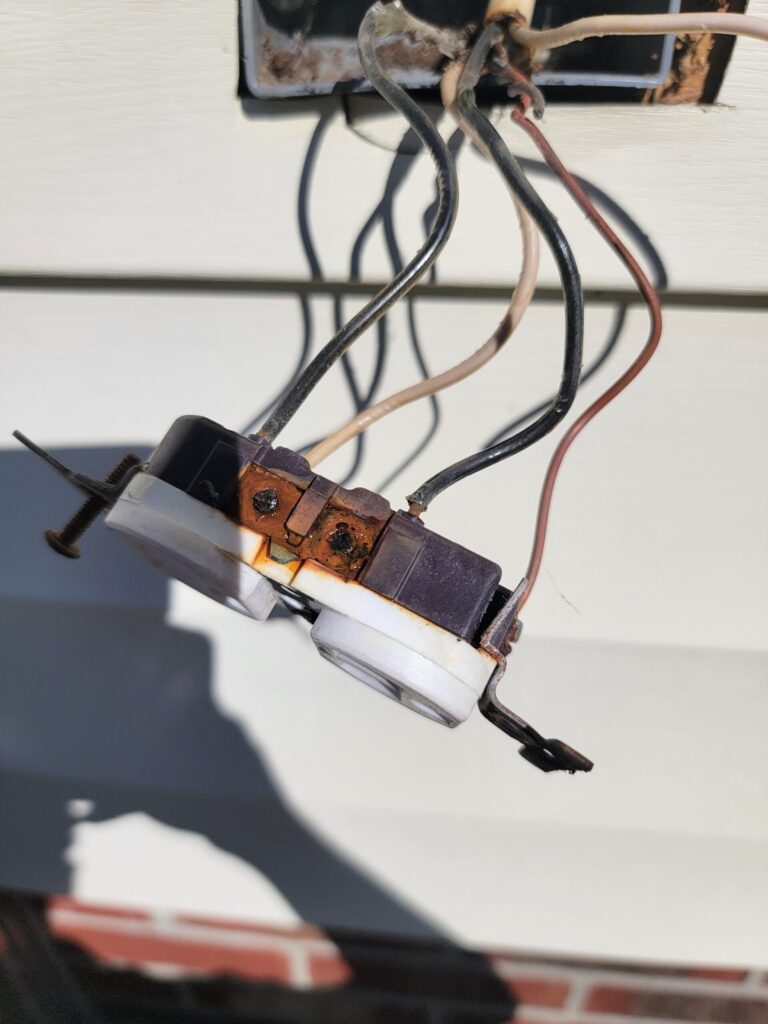
Certain warning signs suggest your home is more exposed to surge damage than it should be. Flickering or dimming lights that occur without a clear cause can point to unstable voltage in your system. Outlets or switch plates that feel warm to the touch are a serious red flag that needs immediate attention. Devices that fail earlier than expected, one after another, may be suffering from repeated small surges. A burning smell near an outlet or panel should never be ignored and calls for an emergency response. Breakers that trip often can also signal underlying wiring problems that leave you vulnerable. These clues are worth taking seriously before real damage occurs.
The age and condition of your electrical panel play a large role in your risk. Older panels may lack the capacity and grounding that modern surge protection depends on. Homes built decades ago were not wired for the load of today’s electronics and appliances. If your panel is crowded, corroded, or showing its age, adding surge protection may reveal the need for other repairs first. A loose neutral connection, for example, can cause damaging voltage swings on its own. An electrician can inspect the panel and confirm that it provides a solid foundation for protection. Fixing the base problems makes every other layer more effective.
Your location and lifestyle also shape how much protection you need. A home in a storm prone area of New Hampshire faces more lightning risk than one in a sheltered spot. Households packed with smart devices, home offices, and expensive electronics have more to lose from a single event. Homes with well pumps, large air conditioners, or other big motor loads generate more internal surges. If any of these describe your home, stronger protection is a wise investment. A professional assessment can match the right level of defense to your specific situation. Noticing flickering lights or devices failing early? Reach out about our electrical repair service before the damage spreads.
Why You Need Professional Power Surge Protection for Your Home
A surge event happens in an instant, but the protection that stops it takes planning and skill to install correctly. A licensed electrician does more than plug in a device; they evaluate your panel, your grounding, and your wiring as a complete system. That full picture is what turns scattered gadgets into real, dependable protection. Doing this work yourself risks both your safety and the effectiveness of the protection, since the device connects to live power inside the panel. Professional installation gives you protection that actually works when a storm rolls across the Lakes Region.
When to Call an Electrician About Power Surge Damage
Call an electrician right away if you notice burning smells, warm outlets, or scorch marks near your panel. These signs point to active damage that can lead to fire, so they qualify as an emergency. A recent lightning storm followed by devices that stopped working is another clear reason to reach out. An electrician can test your system, find the damage, and confirm what needs repair. Acting quickly limits the harm and keeps a small problem from growing. Waiting only gives hidden damage more time to spread.
You should also call when you want protection installed before a problem ever appears. The best time to add surge protection is well before a storm, not in the aftermath of one. An electrician can assess your risk and recommend the right mix of whole house and point of use protection. This kind of planning is far cheaper than replacing a house full of electronics. Summer storm season in New Hampshire makes now a smart time to prepare. A short visit today can prevent an expensive loss later.
Any time your lights flicker, breakers trip often, or older wiring worries you, a professional inspection is the right move. These issues can hide bigger problems that raise your surge risk. An electrician can pinpoint the cause and fix it at the source. For urgent problems that cannot wait, our emergency electrician service is ready to help. Prompt action protects both your home and your peace of mind.
What Professional Power Surge Protection Includes
Professional surge protection begins with a thorough inspection of your electrical system. The electrician checks your panel, your grounding, and your wiring to find any weak points. From there, they recommend a whole house surge protective device sized for your home and your risk. They also confirm that your grounding can safely carry the diverted energy away. This groundwork is what allows the protection to perform when it matters. Every step is done to code and verified before the job is complete.
Installation of a whole house device connects it directly to your main panel. This is skilled work that involves live electrical service, so it belongs in trained hands. The electrician mounts the device, wires it correctly, and tests that it responds as designed. They can also add point of use protection at key outlets for a layered defense. When the work is finished, you have coverage at both the panel and your most valuable devices. The result is a system built to guard your entire home.
Good protection also comes with clear guidance for the homeowner. A quality electrician explains how the system works and how to know when a device needs replacement. They point out the indicator lights and the signs that protection has ended. This knowledge helps you keep your defense strong for years to come. Ongoing support means you are never left guessing about the safety of your home.
Why Choose Whiting Electrical Services for Power Surge Protection
Whiting Electrical Services brings proven experience and a real commitment to quality on every job. Our work is backed by a Lifetime Craftsmanship Warranty, which reflects the pride we take in doing things right. We hold an A rating with the Better Business Bureau, and our reputation is built on five star service. Well known clients, including Mr. Beast and WillScot, have trusted us with their electrical projects. That trust comes from consistent, careful work on projects of every size. When you hire us, you get a team that treats your home with the same care.
We serve Laconia and communities across the Lakes Region and central New Hampshire. As a Generac Certified Dealer and Service Provider, we bring deep knowledge of power and protection to every visit. Our electricians install surge protection to code and stand behind the result. We also offer a 10 percent discount for veterans, first responders, and paramedics as a thank you for their service. Local homeowners know they can count on us through every storm season.
Protecting your home from a single damaging surge is one of the smartest investments you can make. Our team is ready to inspect your system, recommend the right protection, and install it with care. Do not wait for the next storm to expose your electronics to risk. Learn more about our whole house surge protection service and give your home a real line of defense. Call Whiting Electrical Services today at (603) 512-3887 to schedule your surge protection assessment. One quick call now can save you from a house full of ruined devices later.