

Why Dedicated Circuits Are Important for Appliances
Modern homes in Greenville are filled with more technology and appliances than ever before. We have upgraded from simple setups to homes with high capacity refrigerators, powerful microwaves, convection ovens, and elaborate entertainment systems. While our lifestyle has advanced, the electrical infrastructure in many homes often struggles to keep up. We plug devices in without thinking about where the power comes from or how it gets there. This convenience is only possible because of the complex network of wires and breakers hidden behind our walls. However, there is a limit to what any single electrical path can handle.
When you plug too many high energy devices into one area, you create a traffic jam of electrons. This usually results in a tripped circuit breaker. While flipping the switch back on seems like a quick fix, the trip is actually a warning signal. It tells you that your system is overloaded. Ignoring this signal or simply resetting the breaker repeatedly is dangerous. The solution to this common problem lies in a specific type of electrical installation known as a dedicated circuit. Understanding what these circuits are and why they are necessary is key to maintaining a safe and efficient home.
Understanding the Dedicated Circuit
A dedicated circuit is an electrical circuit that is set up with the specific purpose of serving a single appliance or outlet. Unlike a general purpose circuit, which might supply power to all the outlets and lights in a bedroom or living room, a dedicated circuit has a one to one relationship with the device it powers. It has its own circuit breaker in your main electrical panel. It has its own specific wire running directly from that breaker to the outlet where the appliance is plugged in. No other devices share this path.

This design ensures that the appliance has access to the full capacity of the electrical circuit. It does not have to compete with lights, televisions, or vacuum cleaners for power. This isolation is critical for safety and performance. When a large motor starts up, it draws a massive surge of electricity. On a shared circuit, this surge can cause voltage drops that dim the lights or disrupt other sensitive electronics. On a dedicated circuit, this surge is contained and managed effectively without affecting the rest of the home.
The concept is similar to a private driveway versus a busy highway. A general purpose circuit is like a highway with many cars entering and exiting. If too many cars try to use it at once, traffic slows down or stops completely. A dedicated circuit is a private driveway. Only one vehicle is allowed on it, ensuring it can travel at full speed without any obstruction. This reliable flow of power is essential for the longevity of modern appliances.
The Dangers of Shared Circuits
Sharing a circuit among high demand appliances is a recipe for electrical failure. The most immediate result is an overload. Every circuit breaker is rated for a specific amperage, usually 15 or 20 amps for standard household circuits. If the total draw of all the devices on that circuit exceeds this number, the breaker trips to cut the power. This is a safety mechanism designed to prevent the wires from overheating.
When you force a heavy appliance to share a circuit with other items, you are constantly testing the limits of that breaker. A common scenario involves the kitchen. You might have the toaster, the coffee maker, and the microwave all plugged into the same general circuit. If you try to use them all at once during the morning rush, the breaker will likely trip. This nuisance tripping is annoying, but the underlying cause is serious.
Heat is the silent enemy of electrical wiring. Even if the breaker does not trip immediately, running a circuit near its maximum capacity for long periods generates heat within the walls. Over time, this heat can degrade the protective insulation around the copper wires. Brittle insulation can crack and fall away, exposing the live wires. This creates a severe risk of arcing and electrical fires. By moving heavy loads to dedicated circuits, you reduce the thermal stress on your general wiring and eliminate the risk of accidental overloads.
The Kitchen is a Power Hog
The kitchen is the most energy hungry room in the entire house. It contains the highest concentration of major appliances, and many of them require their own dedicated power source to operate safely. The refrigerator is the most critical example. While it does not draw a huge amount of power while running, its compressor requires a significant surge of electricity to start. If the fridge shares a circuit with the toaster, that startup surge could trip the breaker. If this happens while you are away at work, you could come home to spoiled food and a wet floor. A dedicated circuit ensures your food stays cold regardless of what else is happening in the kitchen.
The microwave is another common culprit. It consumes a tremendous amount of power while cooking. Most manufacturers recommend, and often the electrical code requires, that a fixed microwave have its own dedicated 20 amp circuit. This prevents the lights from dimming every time you heat up leftovers. The dishwasher and the garbage disposal are also heavy hitters. In many modern installations, these two appliances often share a specific type of dedicated circuit or have their own individual lines to handle the motor loads.
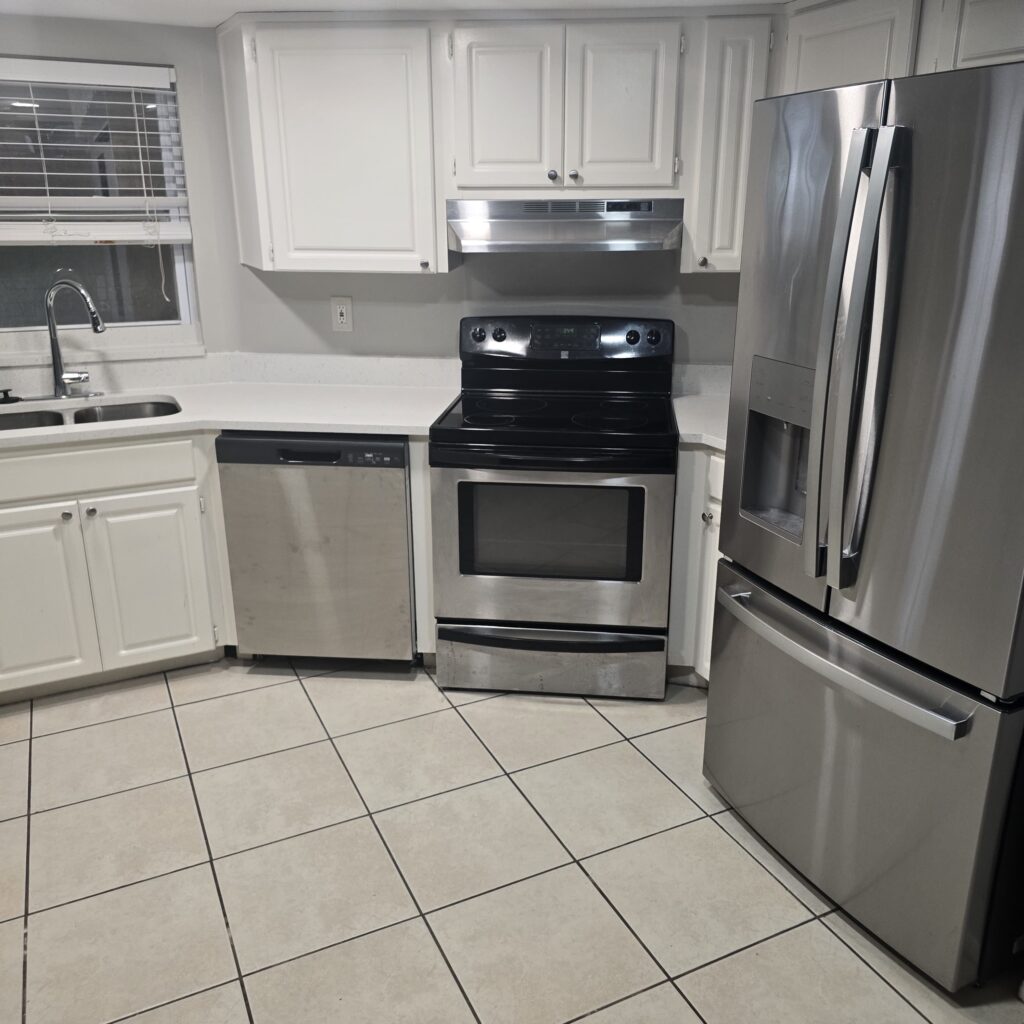
Electric ranges and wall ovens are in a category of their own. These massive appliances operate on 240 volts rather than the standard 120 volts. They require heavy duty wiring and high amperage breakers, often 40 or 50 amps. These must absolutely be on dedicated circuits. You cannot simply tap into a nearby outlet to power a stove. The wiring requirements are strict because the potential for fire is high if the installation is undersized. Ensuring these heavy duty circuits are installed correctly is a primary job for a licensed electrician.
Laundry and Utility Room Requirements
Your laundry room is another area where dedicated circuits are non negotiable. The modern washing machine is a complex piece of machinery with powerful motors and sensitive digital control boards. It needs a steady supply of clean power. The Code requires a dedicated 20 amp circuit for the laundry outlet to ensure the washer has the amperage it needs to agitate and spin heavy loads of wet clothes without tripping the breaker.
Need electrical wiring done? Click here for our electrical wiring service.
The clothes dryer is an even larger energy consumer. An electric dryer requires a dedicated 240 volt circuit, similar to an electric range. It uses heating elements that draw substantial current to dry your clothes efficiently. Plugging a dryer into an undersized circuit or using an extension cord is extremely dangerous and is a leading cause of dryer related fires. The plug configuration for dryers has changed in recent years to improve safety, and a dedicated four wire circuit is now the standard for new installations.
Your water heater is another utility appliance that works silently in the background but demands significant power. Whether you have a traditional tank style heater or a modern tankless model, it requires a dedicated circuit. Tankless electric water heaters, in particular, have massive power requirements. They often require multiple dedicated 40 amp circuits to heat water instantly. Attempting to install a tankless system without a major electrical upgrade is impossible in most homes. Even a standard tank heater needs a dedicated line to ensure you have hot water when you need it.
Heating and Cooling Systems
Your HVAC system is likely the single largest consumer of electricity in your home. In Greenville, where we rely heavily on air conditioning in the summer and heating in the winter, these systems run for hours at a time. The central air conditioner or heat pump compressor unit outside requires a dedicated 240 volt circuit. This circuit must be sized perfectly to match the tonnage of the unit. If the wire is too small, the voltage will drop when the unit kicks on, causing the motor to overheat and wear out prematurely.
The air handler unit, located in your attic or crawlspace, also needs its own power supply. This unit contains the blower fan and the backup electric heat strips. These heat strips can draw an enormous amount of current during the coldest days of winter. A dedicated circuit handles this load safely. If you use portable space heaters to supplement your central heat, you must be careful. A single space heater draws 1500 watts, which effectively maxes out a standard 15 amp circuit. Plugging a space heater into a circuit that is already powering lights and a TV is a common cause of melted outlets and fire hazards. Ideally, if you use a specific room often, having a dedicated circuit installed for a heater is the safest option.
Window air conditioning units also fall into this category. While small units can sometimes plug into a general outlet, larger units require a dedicated circuit. If you rely on window units to cool older homes that lack central air, you must ensure your wiring is up to the task. Running a window unit on an extension cord is a severe safety violation that puts your home at risk.
Protecting Sensitive Electronics
We often think of dedicated circuits for large motors and heating elements, but they are equally important for sensitive electronics. Computers, servers, high end gaming setups, and home theater systems are vulnerable to fluctuations in power. When a large motor like a vacuum cleaner or a refrigerator compressor turns on, it creates “noise” on the electrical line. It can also cause a momentary dip in voltage.
This dirty power can damage the delicate microchips inside your computer or smart TV. Over time, this electrical stress can lead to unexplained crashes, data loss, or component failure. By placing your home office or entertainment center on a dedicated circuit, you isolate it from the noise generated by the refrigerator or the washing machine. This provides a cleaner, more stable flow of electricity.
For homeowners with a home workshop, dedicated circuits are essential. Table saws, air compressors, and dust collectors are powerful tools that draw high amperage. If you try to run a table saw on a shared circuit with the lights, the lights will dim or the breaker will trip every time you make a cut. This is not only annoying but dangerous, as a sudden loss of power can cause a tool to stall or kick back. A dedicated circuit for your tools ensures you have the power you need to work safely and effectively.
Bathroom and Garage Needs
The bathroom is a small room with high power density. We use hair dryers, curling irons, and straighteners that consume a lot of electricity. A high quality hair dryer can draw 1800 watts, which is the absolute maximum for a 15 amp circuit. If the bathroom lights and the fan are on the same circuit, turning on the hair dryer will trip the breaker. Modern electrical code requires a dedicated 20 amp circuit for bathroom receptacles. This allows you to dry your hair without plunging the bathroom into darkness.

The garage is another area where power needs are evolving. In the past, a single light bulb and one outlet were sufficient. Today, we have freezers, second refrigerators, power tools, and electric vehicle chargers in our garages. An extra refrigerator in the garage is a prime candidate for a dedicated circuit. Garage outlets are often wired in a chain with other exterior outlets. If the GFCI outlet on the porch trips due to rain, it might cut power to the garage freezer, ruining your frozen food. A dedicated circuit eliminates this risk.
Electric vehicle chargers are the new standard for garage power. A Level 2 EV charger requires a heavy duty dedicated 240 volt circuit. This is a specialized installation that turns your garage into a fueling station. You cannot run an EV charger on existing wiring. It requires a new line run directly from the panel to handle the continuous load of charging a car battery.
Want to know the benefits of an EV charger install? Click here for more information.
The Role of the National Electrical Code
The National Electrical Code, or NEC, is the rulebook that governs electrical safety. It is not just a suggestion; it is the standard used by inspectors and insurance companies. The NEC has evolved over decades to address the changing needs of modern homes. Many of the requirements for dedicated circuits are mandated by this code.
For example, the NEC requires two dedicated 20 amp circuits for kitchen countertops. It requires a dedicated circuit for laundry areas. It requires specific dedicated circuits for appliances like dishwashers and built in microwaves. These rules exist to prevent fires. Overloaded circuits are a leading cause of residential fires in the United States. By adhering to the code, you are ensuring that your home is built to a standard of safety that protects your family.
When you hire a professional electrician, they are legally bound to follow these codes. If you attempt to do electrical work yourself or hire a handyman, they may overlook these requirements. They might tap into an existing circuit to power a new microwave, creating a code violation. This can come back to haunt you when you try to sell your home. A home inspector will identify these violations, and you will be forced to pay to have them fixed correctly. Doing it right the first time with a dedicated circuit is always the smarter financial decision.
The Professional Installation Process
Installing a dedicated circuit is not a simple task. It is not something that can be learned from a five minute video. It involves working inside the main electrical panel, which is the most dangerous part of your electrical system. It requires knowledge of load calculations, wire sizing, and breaker selection.
When you contact Whiting Electrical Services for a dedicated circuit, we start by evaluating your main panel. We need to ensure there is physical space for a new breaker. We also need to ensure your electrical service has the total capacity to handle the new load. If your panel is full or your service is outdated, we may recommend a panel upgrade.
Once the capacity is verified, we must run new wire from the panel to the location of the appliance. This is often the most challenging part of the job. In a finished home, it involves fishing wire through walls, attics, or crawlspaces. We use specialized tools and techniques to route the wire with minimal damage to your drywall. We then install the proper outlet and the correct size breaker. We test the circuit to ensure it is grounded correctly and functioning safely.
Dedicated circuits are the backbone of a modern, functional home. They are the invisible infrastructure that allows us to enjoy our high tech appliances without fear of tripping breakers or starting fires. They provide the power needed for everything from keeping our food cold to washing our clothes and cooling our air. They protect our sensitive electronics from damage and ensure that our heavy tools operate safely.
Ignoring the need for dedicated circuits is a gamble. It places stress on your wiring, creates inconvenience, and violates safety codes. If you are planning a kitchen remodel, buying a new appliance, or simply tired of resetting the breaker every time you use the hair dryer, it is time to upgrade. Professional installation by a licensed electrician ensures that the work is done safely, neatly, and in compliance with all regulations. At Whiting Electrical Services, we understand the power needs of Greenville homes. We are here to help you get the dedicated power you need to live comfortably and safely.