

When to Replace Your Home’s Outlets
Electrical outlets are the workhorses of our homes. We use them every day, plugging in everything from our morning coffee maker to our bedside lamp. Because they are so common, we often overlook them as long as they provide power. However, these small devices are not designed to last forever. They are a critical part of your electrical system, and when they begin to fail, they can become one of the most significant safety hazards in your home.
An old, worn, or damaged electrical outlet is more than just an inconvenience; it is a serious fire risk. The U.S. Consumer Product Safety Commission identifies electrical outlets as a source of thousands of residential fires each year. These fires often start silently, behind the wall, due to loose connections or overheating. Knowing when to replace your home’s outlets is a fundamental part of home safety and maintenance. It is not just about functionality, but about protecting your family and your property.
The Obvious Physical Warning Signs
The most urgent reasons to replace an outlet are the ones you can see, feel, or hear. These are not subtle hints; they are clear and present dangers that signal an outlet is actively failing and requires immediate replacement by a qualified electrician.
One of the most common signs is physical damage. If the face of an outlet is cracked, chipped, or broken, it is a serious hazard. These cracks expose the live electrical components inside, creating a direct path for electrical shock. This damage also allows dust and debris to get inside, which can lead to a short circuit or spark.
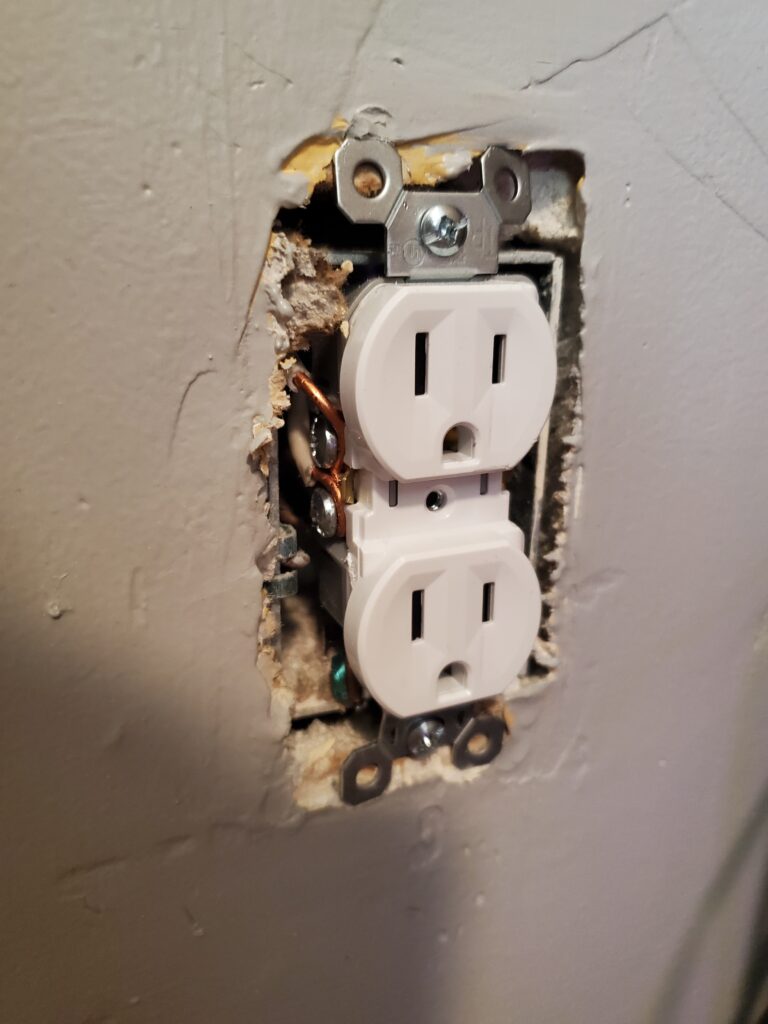
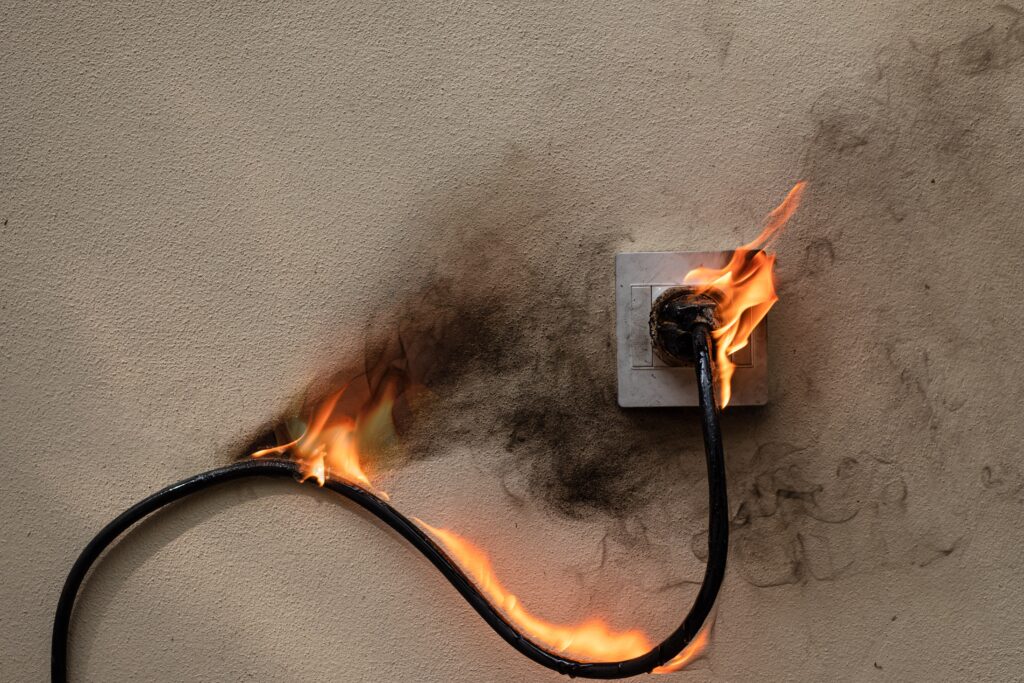
You should also pay close attention to how well the outlet holds a plug. If you plug in a cord and it feels loose, or if the plug falls out of the socket with the slightest jiggle, the internal contacts are worn out. This loose connection is a major fire hazard. The electricity is forced to “arc,” or jump, across the gap between the plug and the outlet’s contacts. This arcing generates intense heat, which can easily melt the plug and the outlet, and eventually ignite the surrounding wall materials.
Heat is a critical warning sign. An outlet should never feel warm to the touch. If you unplug a device and the plug itself is hot, or if you feel warmth coming from the outlet’s faceplate, there is a dangerous problem. This heat is caused by a poor connection or an overloaded circuit. Likewise, any discoloration, from a slight brown or yellow tint to black scorch marks, is a sign that the outlet has been overheating or arcing. If you see this, stop using the outlet immediately.
Age and Outdated Outlet Types
Even if an outlet looks fine, its age alone may be a reason for replacement. Standard electrical outlets do not last forever. Most are designed with a lifespan of 15 to 25 years. In a high use area, like a kitchen or living room, that lifespan can be even shorter. Over time, the internal springs and contacts that grip the plug prongs wear out, leading to the same loose connections and arcing risks found in damaged outlets.
If your Greenville home was built several decades ago and still has its original outlets, they are likely living on borrowed time. The materials used in older outlets may not be as durable or heat resistant as modern ones. They have endured decades of use, and their internal components are almost certainly worn.
Need a new GFCI outlet? Click here for our GCFI outlet installation service.
The most significant age related hazard is the presence of two prong outlets. These ungrounded receptacles are a relic of an outdated and unsafe electrical system. A modern, three prong outlet has a third, round hole for the ground wire. This ground wire is a critical safety feature. Its job is to provide a safe path for electricity to flow to the earth in the event of a short circuit or fault, which trips the circuit breaker and prevents a dangerous shock.
A two prong outlet has no ground wire. This leaves you and your expensive electronics completely unprotected. If a fault occurs in an appliance plugged into a two prong outlet, the metal casing of that device can become energized, waiting to deliver a severe shock to the next person who touches it. Simply replacing a two prong outlet with a three prong one is not a solution and is a dangerous, illegal “fix” if the ground wire is not present in the wall.
The Modern Safety Solution: GFCI and AFCI
Modern electrical codes require new types of protective outlets that were not available decades ago. These devices are designed to actively prevent specific, common electrical dangers. If your home lacks them, you are missing two of the most important safety features in modern electricity.
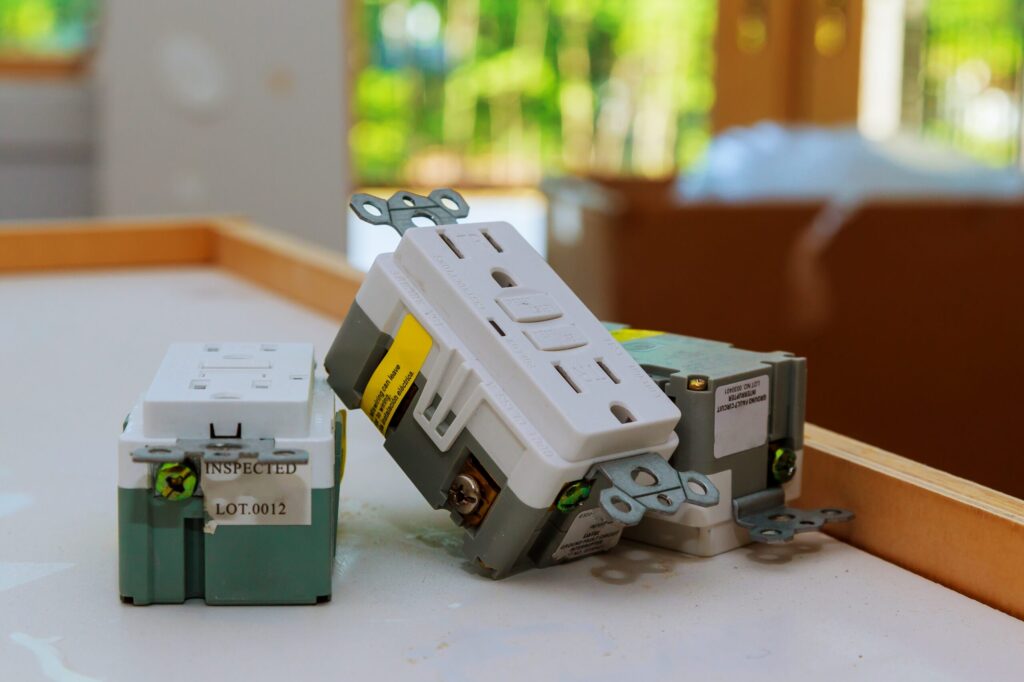
The first is the Ground Fault Circuit Interrupter, or GFCI. You have likely seen these outlets in bathrooms and kitchens; they are the ones with the small “TEST” and “RESET” buttons. A GFCI’s job is to protect people from electrocution. It monitors the flow of electricity in a circuit. If it detects a tiny imbalance, meaning some of the electricity is leaking and flowing somewhere it should not, like through water or a person’s body, it trips in a fraction of a second, cutting off the power before a fatal shock can occur. The NEC requires GFCIs in all areas where water is present, including bathrooms, kitchens, garages, unfinished basements, and all outdoor receptacles.
The second, and equally important, device is the Arc Fault Circuit Interrupter, or AFCI. This device is designed to prevent fires. An AFCI is a smart device that “listens” for the unique electrical signature of a dangerous arc fault. This is the kind of arcing caused by a loose connection, a frayed cord, or a wire damaged by a nail. These small arcs are a primary cause of electrical fires, and a standard circuit breaker will not detect them. The NEC now requires AFCI protection in almost all living areas of the home, including bedrooms, living rooms, hallways, closets, and kitchens. Upgrading to these outlets provides active protection against both shock and fire.
Upgrades for Convenience and Child Safety
Beyond the critical GFCI and AFCI safety upgrades, modern outlets also offer new levels of convenience and protection that are worth considering during any replacement.
For families with small children, Tamper Resistant Receptacles, or TRRs, are an absolute necessity. In fact, the NEC has required them in all new home construction since 2008. These outlets look identical to standard outlets but contain an internal, spring loaded shutter system. This mechanism blocks foreign objects, like a key, paperclip, or fork, from being inserted into the slots. The shutters will only open when equal pressure is applied to both slots at the same time, which happens when a proper plug is inserted. These outlets are a permanent, reliable safety solution that are vastly more effective than the small plastic caps, which children can easily remove.
Want to see if your electric panel needs replacement? Click here for more information.
You can also upgrade for convenience. USB outlets are a popular choice. These receptacles replace a standard outlet and include one or two built in USB charging ports, leaving the main sockets free. This eliminates the need for bulky adapters, reduces clutter, and often provides a faster, more optimized charge to your devices.
Smart outlets are another powerful upgrade. These Wi-Fi enabled receptacles allow you to control whatever is plugged into them from your phone, no matter where you are. You can set schedules to turn lights on and off, making your home look occupied while you are on vacation. You can also monitor the energy use of specific appliances, helping you identify “energy hogs” and save money on your electrical bill.
Why This is Never a DIY Project
It can be tempting to watch a five minute video and try to replace an outlet yourself. This is an extremely dangerous mistake. Electrical work is one of the few DIY projects that can have fatal consequences or burn your house down if done even slightly wrong. The risks are hidden, and the margin for error is zero.
A common DIY mistake is reversing the hot and neutral wires. When this happens, the outlet may still power a device, but it creates a severe shock hazard. Another is failing to properly ground the new outlet. Many DIYers will install a three prong outlet in a box with no ground wire, creating a false sense of security that is extremely dangerous.
A professional, licensed electrician, like the team at Whiting Electrical Services, does far more than just swap the device. When we replace an outlet, we are performing a safety inspection. We check the condition of the wires, looking for nicks, cracks, or heat damage. We ensure the wires are securely and properly connected to the terminal screws, as loose connections cause fires. We check that the electrical box is not overcrowded, which is a code violation and fire hazard. We test to ensure a real ground path exists. We verify that your system is up to code, and we install the correct type of outlet, whether it be GFCI, AFCI, or TRR, for that specific location.
Your electrical outlets are not permanent fixtures. They are active safety devices that wear out over time. By learning to spot the signs of failure, from the obvious cracks and scorch marks to the hidden dangers of age, you can proactively protect your home. Replacing old outlets is not just a cosmetic update; it is a critical safety upgrade that introduces modern, life saving technology like GFCI and AFCI protection.
Do not wait for a warm faceplate, a flickering light, or a tragic accident to tell you it is time for a change. If your outlets are loose, damaged, or decades old, the time to replace them is now. This is a job where expertise matters, and for the safety of your family and your Greenville home, it must be left to a professional. Contact a licensed electrician to have your outlets inspected and upgraded to the modern standards of safety.