

Why DIY Electrical Work Can Be Dangerous
The desire to improve our homes and save money is a powerful motivator. In an age of endless online tutorials and home improvement shows, many projects seem simpler than they are. Painting a room, building a shelf, or refinishing a deck are wonderful weekend projects. But some tasks cross a line from home improvement into high risk activity. Electrical work is firmly in the high risk category. Electricity is an invisible, powerful, and complex force. It does not follow our assumptions; it follows strict physical laws.
The tools and materials for electrical work are readily available at any hardware store, which creates a dangerous illusion of simplicity. A new light switch, an outlet, or a ceiling fan all seem like straightforward installations. The problem is that the risks are not visible. A mistake in electrical work does not just result in a crooked fixture or a bad paint job. It can result of immediate, fatal electrocution or a hidden, slow burning fire that ignites weeks later, destroying your home and endangering your family. Understanding the profound dangers of do it yourself electrical work is the first step in protecting your property and your life.
The Immediate Risk of Electrical Shock
The most obvious danger of working with electricity is the risk of shock. What many people fail to understand is the sheer speed and power of an electrical current, and how little it takes to cause a fatality. A common household circuit carries 120 volts with 15 or 20 amps of current. A current as low as 100 milliamperes, just one tenth of a single amp, can be lethal if it passes through the human heart. Every circuit in your home carries many times that lethal amount.
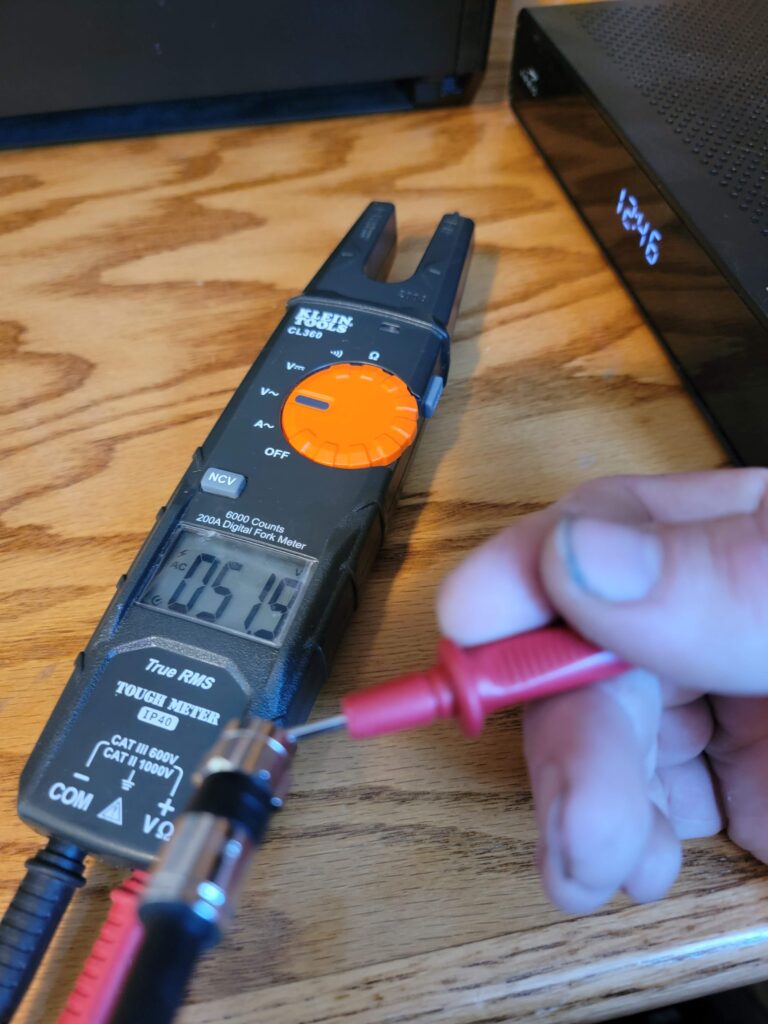
A common mistake is assuming that turning off a switch makes a fixture safe to work on. A switch only breaks one side of the circuit, the “hot” wire. A wiring error or a faulty switch could mean the circuit is still live. A professional electrician is trained to never trust a switch. They use a non contact voltage tester to check for power, then use a multimeter to verify the circuit is dead before ever touching a wire.
Another critical error is mishandling the “neutral” wire. Many DIYers assume the white neutral wire is safe. It is not. The neutral wire is a current carrying conductor; it is the return path for all the electricity used by your devices. Touching a neutral wire and a ground wire, or a neutral wire from a different circuit, can cause a severe shock. Turning off the circuit breaker is the only way to begin; however, the breaker box itself is often mislabeled in older homes. A hobbyist might turn off the breaker for the “Living Room” not realizing the one outlet they are working on is actually tied to the “Kitchen” circuit. A professional traces the circuit to be certain.
The Silent Hazard of Fire
While shock is a terrifying and immediate risk, the most common catastrophe from bad electrical work is fire. These fires are particularly insidious because they do not happen right away. They start slowly, silently, and deep inside your walls, often smoldering for hours or even days before erupting into a full blaze.
One of the most common causes of these fires is arcing. An arc fault happens when there is a loose connection. This can be a wire that is not screwed down tightly on an outlet, a wire nut that is not properly secured, or a wire that was nicked or damaged when being pulled into the wall. At this loose connection, the electricity has to “jump” the gap. This creates a tiny spark, or an arc. This arc is intensely hot, exceeding thousands of degrees. This intense heat begins to carbonize the materials around it, like the wire’s insulation or the wood stud. Over time, this carbon builds up, becomes a fuel source, and the persistent arcing eventually ignites it.
Do you need your electrical wiring checked? Click here for our electrical wiring service.
Another major fire risk is using the wrong size wire for the circuit. A circuit breaker is matched to the wire size it protects. A 15 amp breaker protects 14 gauge wire. A 20 amp breaker protects 12 gauge wire. A DIYer might replace a 15 amp outlet with a 20 amp outlet, or add new outlets to a circuit, not realizing the wire in the wall is too small. When a high power device is plugged in, it draws more current than the thin wire can handle. The wire itself becomes a heating element inside your wall, melting the insulation and igniting the surrounding materials. The breaker might not even trip, as it is designed for a larger load.
The “It Works, But Is It Safe?” Fallacy
A significant danger in DIY electrical work is the false sense of security. A homeowner might install a new ceiling fan. They flip the switch, the fan spins, and the light turns on. They declare the project a success. What they cannot see is the hazard they have created.
A very common and dangerous error is “reversed polarity.” This is when the black “hot” wire and the white “neutral” wire are accidentally swapped. When this happens, the light fixture and fan will still work. But now, the electrical current is flowing to the fixture along the neutral path and through the switch on the return path. This means that even when the light switch is in the “off” position, the socket itself is still energized. When you go to change the lightbulb, you could receive a severe shock by simply touching the metal threads of the socket.

Another example is replacing an old two prong outlet with a modern three prong outlet. This seems like a simple safety upgrade. But if the home’s wiring does not have a ground wire, which is common in houses built before the 1960s, the DIYer has a problem. Sometimes, they will just install the new outlet anyway, leaving the ground screw unconnected. The outlet now looks grounded, and a plug in tester might even be fooled. But the ground, the single most important safety feature, is completely absent. A surge protector plugged into this outlet will offer zero protection. An appliance that faults will energize its metal casing, creating a deadly shock hazard.
Understanding the National Electrical Code
The National Electrical Code, or NEC, is the foundational rulebook for all electrical installations in the United States. It is not an arbitrary set of rules; it is a massive, complex safety document that is updated every three years. Nearly every rule in that book exists because someone was a victim of a fire, injury, or death from a previous, unsafe practice.
A casual DIYer is completely unaware of these critical codes. For instance, the code dictates “box fill,” which is the maximum number of wires and devices that can safely be installed in an electrical box. Overcrowding a box prevents heat from dissipating and is a major fire hazard. The code specifies how wires must be stapled, protected, and routed. It mandates the use of specific, life saving devices like Ground Fault Circuit Interrupters (GFCIs) in wet locations and Arc Fault Circuit Interrupters (AFCIs) in living areas.
Want to know how often you should have an electrical inspection? Click here for more information.
As a member of the North Carolina Electrical Code Committee, our team at Whiting Electrical Services has a deep and professional understanding of these codes. We know that these rules are the minimum standard for safety. A DIY project, guided by a 10 minute online video, is almost guaranteed to be non compliant. This non compliance is not just a technicality; it is a direct and measurable increase in the risk of catastrophe.
The Financial and Legal Consequences
The dangers of DIY electrical work are not just physical; they are financial. Your homeowner’s insurance policy is a contract. That contract is based on the assumption that your home is maintained and that any work performed is up to code. If you perform unpermitted, non compliant electrical work, and that work causes a fire, your insurance company has every right to deny your claim. You could be left with a destroyed home and no financial recourse.
The legal and financial trouble can also surface when you try to sell your home. Any buyer will hire a home inspector. A good home inspector can spot amateur electrical work from a mile away. They will see mismatched breakers, improper wiring, ungrounded outlets, and overcrowded panels. These findings will be written up in a report, and the buyer will either demand that you hire a licensed electrician to fix all the mistakes, often at a very high cost, or they will walk away from the sale entirely. The money you thought you were saving by doing it yourself is lost.
Common DIY Projects and Their Hidden Dangers
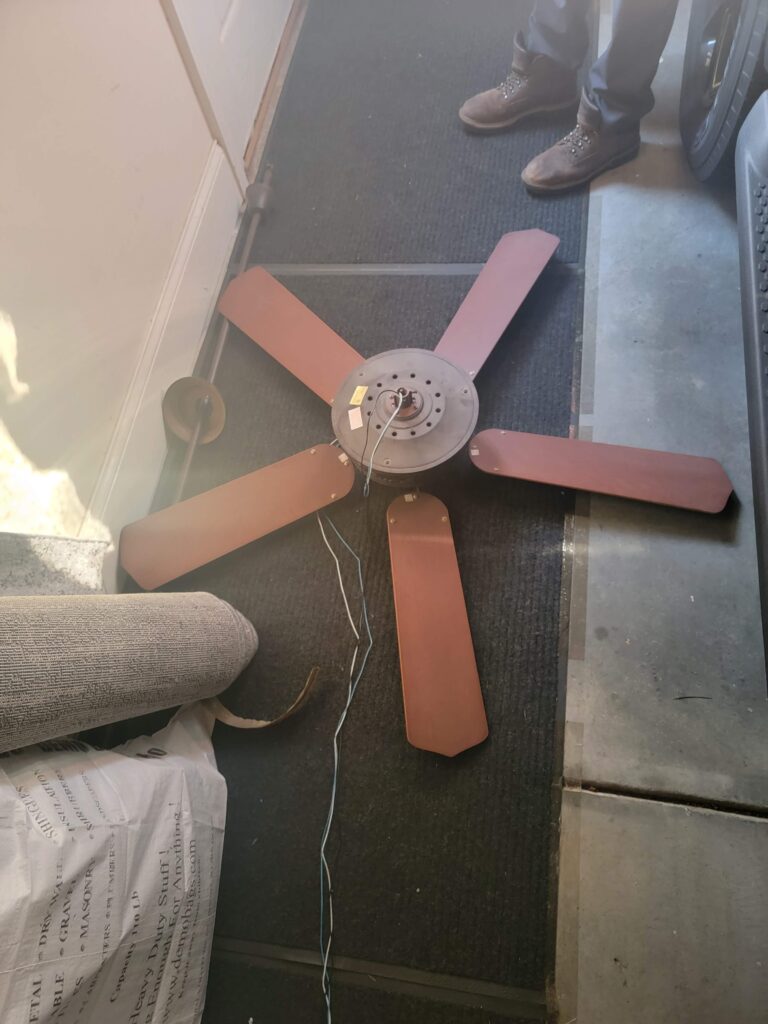
Let’s look at a few common projects and the hidden risks. Installing a new ceiling fan seems easy. But the electrical box in your ceiling, which held a light fixture, is probably not “fan rated.” A light fixture is light. A ceiling fan is heavy and it vibrates for hours. A standard box will eventually fail, allowing the 30 pound fan to fall from the ceiling. A professional knows to check this and install a fan rated brace.
What about installing a new light switch, perhaps a dimmer? A DIYer might buy a cheap dimmer and hook it up, only to have their LED lights flicker or fail. They do not know that LED fixtures require specific types of dimmers, like an ELV or MLV dimmer, to function correctly. A mismatch can not only perform poorly but also overheat the dimmer, creating a fire hazard.
Even adding a new outlet is full of pitfalls. Is the circuit you are tapping into able to handle the additional load? Is the wire gauge correct? Is the wire aluminum, which requires special connectors and techniques that a DIYer will not have? A simple mistake here can create a problem that affects an entire circuit.
The Value of a Licensed and Insured Professional
When you hire a licensed electrician like Whiting Electrical Services, you are not just paying for a pair of hands to twist wires. You are paying for years of training, thousands of hours of experience, and a deep understanding of a complex system. You are paying for our knowledge of the electrical code. You are paying for our specialized diagnostic tools.
Most importantly, you are paying for accountability. We are licensed and insured. This protects you. If something goes wrong, our insurance covers it, not yours. We stand behind our work; in fact, we guarantee our craftsmanship for life. A DIYer has no insurance and no warranty. The moment something goes wrong, they are solely responsible for the financial, legal, and physical consequences.
Our team has the expertise to not only perform the installation correctly but to also diagnose the health of your entire system. We can identify potential problems you were not aware of. We ensure the work is done safely, is fully code compliant, and will last for decades. This is the peace of mind that a YouTube video can never provide.
The allure of a do it yourself project is strong, but the risks of DIY electrical work are severe, permanent, and often hidden. From the immediate, lethal danger of electrical shock to the silent, growing threat of a fire inside your walls, the stakes are simply too high. The complexities of the electrical code, combined with the severe financial and legal penalties of non compliant work, make it a job for professionals.
Your Greenville home is your most valuable asset, and your family’s safety is your highest priority. Protect them both by leaving electrical work to the people who have dedicated their careers to mastering it. At Whiting Electrical Services, we bring our veteran owned ethos of integrity and precision to every job. Before you pick up that wire stripper, pick up the phone.