

How to Power Tools Safely in a Garage
The modern garage is rarely just a place to park cars. For many homeowners in Greenville, it serves as a sanctuary of creativity and craftsmanship. It is a woodworking shop, a welding studio, a mechanic’s bay, or a general repair station. The rise of the DIY movement has filled our garages with sophisticated machinery that rivals what you might find in a professional industrial setting. We have table saws, dust collectors, air compressors, and welding rigs. While our tools have evolved to become more powerful and capable, the electrical infrastructure in most residential garages has largely stayed the same. This gap between the power we need and the power we have creates a significant safety hazard.
Most homes are built with the assumption that the garage will be used for a garage door opener, a single overhead light, and perhaps a vacuum cleaner to clean out the car. Consequently, the electrical provision is minimal. Plugging high-amperage power tools into a standard convenience outlet is not just a recipe for frustration; it is a recipe for electrical failure. Operating powerful machinery requires a respect for the physics of electricity and a commitment to upgrading the environment to match the work being done. Safety in a garage workshop is about more than just wearing safety glasses; it is about ensuring that the flow of electrons is stable, grounded, and sufficient to handle the load without overheating the wires behind your walls.
The Limitations of Standard Garage Wiring
To understand the risks, you first have to look at how a standard garage is wired. In many builder-grade homes in Greenville, the garage outlets are often part of a general-purpose circuit. This circuit might start at the electrical panel, run to the garage GFI outlet, then daisy-chain to the front porch lights, the back patio outlet, and sometimes even a downstairs powder room. This one circuit is doing a lot of heavy lifting before you even plug in a tool.
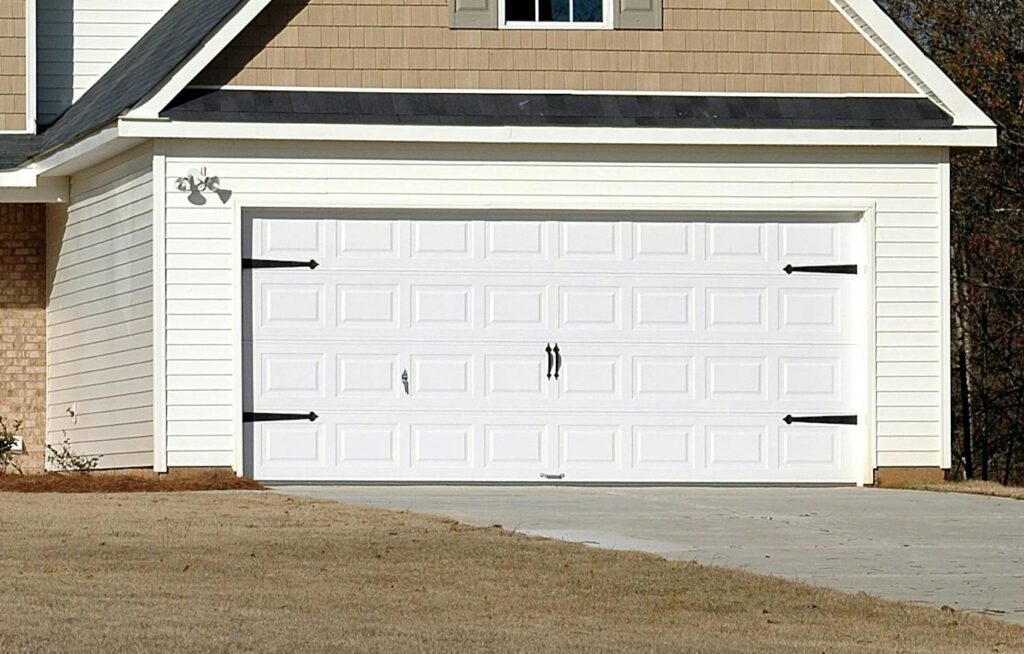
This sharing of power means that the available amperage for your tools is inconsistent. If someone plugs a hair dryer into the bathroom outlet while you are trying to use a miter saw in the garage, the combined load will likely trip the breaker. This “nuisance tripping” is annoying, but it causes wear and tear on the breaker itself. Furthermore, the distance from the panel to the garage can be significant. If the wiring is standard 14-gauge wire, you will experience voltage drop when a heavy load is applied.
Voltage drop is the enemy of electric motors. When you pull the trigger on a circular saw or flip the switch on a jointer, the motor needs a massive surge of current to get up to speed. If the wire is too small or the circuit is too crowded, the voltage dips. This causes the motor to run hotter and slower. Over time, this chronic under-powering will burn out the windings in your expensive tools, leading to premature failure. It creates a situation where the tool is struggling to do its job, which can lead to dangerous stalling or kickback events that put your physical safety at risk.
The Necessity of Dedicated Circuits
The gold standard for a safe garage workshop is the installation of dedicated circuits. A dedicated circuit is a power line that runs directly from your main electrical panel to a specific outlet, serving no other devices along the way. For stationary tools like table saws, bandsaws, and dust collectors, dedicated circuits are essential. These machines have high startup loads that can momentarily draw two to three times their running amperage.
Need your electrical wiring done? Click here for our electrical wiring service.
A table saw is a prime example. A typical contractor-grade table saw has a 1.75 horsepower motor. On a standard shared circuit, turning this saw on might dim the lights. On a dedicated 20-amp circuit, the saw receives clean, consistent power. It spins up to full speed instantly and maintains its torque even when cutting through thick hardwoods. This prevents the blade from bogging down, which is a primary cause of dangerous kickback accidents.
We typically recommend installing multiple dedicated 20-amp circuits in a garage workshop. This allows you to run multiple machines simultaneously without overloading the system. For example, you need to be able to run your table saw and your dust collector at the same time. If they are on the same circuit, the combined load will trip the breaker immediately. By separating them onto their own circuits, you ensure that the dust collector can keep the air clean while the saw does the work, maintaining both respiratory safety and electrical stability.
Stepping Up to 240 Volts
As your skills and your tool collection grow, you will likely encounter machines that require 240 volts. This is the same type of power used for your electric dryer or range. Many serious woodworking tools, such as 3-horsepower cabinet saws, heavy-duty jointers, and large planers, come with motors that can be wired for 240 volts. In the world of metalworking, welders and plasma cutters almost exclusively require this higher voltage to penetrate thick steel.

Running tools on 240 volts offers significant advantages. It is more efficient. By doubling the voltage, you cut the amperage draw in half for the same amount of power. This means the motor runs cooler and the wiring is stressed less. For a large air compressor that kicks on and off automatically, a 240-volt circuit ensures that it starts reliably every time without dimming the lights in the rest of the house.
Installing 240-volt outlets in a garage requires running new wiring from the panel. It requires a double-pole breaker and a specific receptacle configuration, such as a NEMA 6-20 or 6-50, depending on the tool. This is not something you can adapt from an existing standard outlet. It is a purpose-built circuit. Having 240-volt capability turns a basic garage into a semi-industrial workspace, allowing you to use professional-grade equipment that cuts cleaner, runs quieter, and lasts longer.
GFCI Protection and Concrete Floors
Garages present a specific environmental hazard: concrete floors. Concrete is porous and can hold moisture, making it a decent conductor of electricity. Because you are standing on a conductive surface while handling electrical equipment, the risk of shock is higher than in a carpeted living room. The National Electrical Code recognizes this risk and requires all 125-volt, single-phase, 15- and 20-amp receptacles in garages to have Ground Fault Circuit Interrupter (GFCI) protection.
A GFCI monitors the balance of electrical current. If it detects even a tiny amount of electricity leaking from the circuit—perhaps through a frayed cord or a faulty tool casing—it cuts the power in a fraction of a second. This device saves lives. If you were to touch a live wire while standing on the concrete garage floor, the GFCI would trip before your heart could be affected by the shock.
However, older GFCIs can sometimes be temperamental with large motors. The startup induction of a large saw can sometimes trick an older GFCI into tripping unnecessarily. This leads some frustrated homeowners to bypass the GFCI protection, which is a grave mistake. The solution is not to remove the safety device, but to ensure your wiring is tight and to use modern, high-quality GFCI breakers or receptacles that are designed to resist nuisance tripping. Safety on concrete is non-negotiable.
Lighting the Workspace Effectively
Safety in a workshop is largely about visibility. You cannot safely operate a chisel, a spinning blade, or a welding torch if you cannot see what you are doing. Most garages are lit by a single, dim incandescent bulb or a flickering fluorescent tube that hums in the cold. This creates harsh shadows and strobe effects that can make moving machinery look like it is standing still.
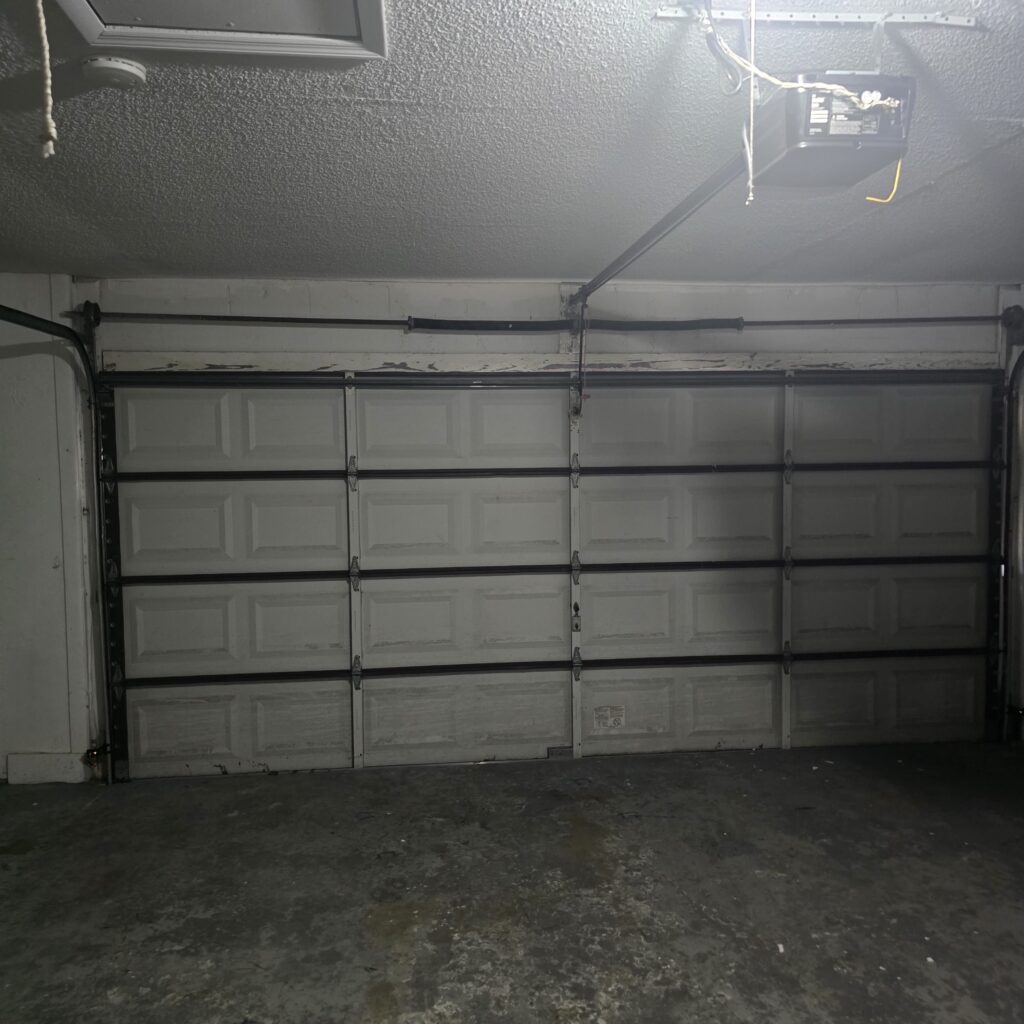
Proper task lighting is a critical component of the electrical plan. We recommend upgrading to high-output LED shop lights. LEDs provide instant-on brightness regardless of the temperature, which is important during chilly Greenville winters. They also offer better color rendering. In a workshop, being able to distinguish between different shades of wood stain or seeing the color of a heated weld bead requires light with a high Color Rendering Index (CRI).
Positioning is key. You want light coming from multiple angles to eliminate shadows at the point of operation. If the light is behind you, your body casts a shadow right over the saw blade. We often install banks of lights directly over the workbench and the main tool clusters. A well-lit shop reduces eye strain and prevents the simple mistakes that lead to injuries. It also makes the space more inviting, encouraging you to take your time and do better work.
Managing Cords and Trip Hazards
One of the most overlooked aspects of electrical safety is the physical management of power cords. In a shop with limited outlets, homeowners often resort to a web of extension cords snaking across the floor. These are major trip hazards. Tripping in a workshop is dangerous not just because of the fall, but because you might fall into a running machine or knock a heavy tool off a bench.
Extension cords are meant for temporary use, not permanent installation. If you find yourself permanently using an extension cord to reach your drill press, you need a new outlet installed. We can add outlets along the walls at workbench height, typically fifty inches off the floor. This puts the power right where you need it, preventing the need to bend down or run cords across the walkway.
Another excellent solution for garages is the ceiling-mounted retractable cord reel. This allows you to pull power down to the center of the room for assembly work or for using portable tools like sanders and routers. When you are done, the cord retracts up to the ceiling, keeping the floor completely clear. This industrial approach to cable management keeps the workspace tidy and safe.
Dust Collection and Static Electricity
If you work with wood, you deal with dust. Sawdust is not just a respiratory irritant; it is a fire hazard. Fine dust suspended in the air is explosive, and piles of dust can ignite from a single spark. Electrical safety in a woodshop involves managing this dust. This means powering a dust collector.
Want to know the benefits of installing a home EV charger? Click here for more information.
A dust collector is a heavy load. It runs continuously while you work. As we mentioned earlier, it needs a dedicated circuit. But there is also the issue of static electricity. When dust and chips rush through plastic PVC pipes, they generate a static charge. In dry winter conditions, this can build up to a painful shock or a spark. While the risk of a dust explosion in a home shop is low, the shock can startle you while you are using a dangerous tool.
Properly grounding your dust collection system is a debate among hobbyists, but ensuring the motor itself is grounded and that the electrical connections are sealed against dust intrusion is fact. Standard outlets can clog with fine dust, creating a fire risk inside the box. In dusty environments, we sometimes use specialized covers or position outlets out of the direct line of dust spray to maintain a clean connection.
Heating and Cooling the Shop
Greenville weather can be extreme. Working in a garage that is 95 degrees with high humidity is dangerous due to heat exhaustion and sweaty hands slipping on tools. Working in a freezing garage is dangerous because you lose dexterity in your fingers. Climate control is often the final piece of the garage workshop puzzle.
Portable space heaters are high-amperage devices. A single 1500-watt heater maxes out a standard 15-amp circuit. If you try to run a heater and a saw on the same circuit, the breaker will trip every time. For heating, we recommend a hardwired 240-volt electric garage heater. These units are mounted on the wall or ceiling and provide safe, flameless heat without taking up floor space or overloading your plug circuits.
For cooling, and heating, a mini-split heat pump is the ultimate solution. These units require a dedicated 240-volt circuit run to the outside condenser. They provide efficient, safe climate control that makes the shop usable year-round. Unlike window units, they don’t block security or light, and they are much quieter, allowing you to hear your tools and think clearly.
Transforming a garage into a functional workshop is a rewarding project that adds value to your home and your life. However, the power tools that make this work possible demand more than a standard garage can give. Relying on extension cords, power strips, and shared circuits is a gamble with your safety and your equipment.
The foundation of a safe shop is a robust electrical system. It means 20-amp dedicated circuits for your stationary tools, 240-volt lines for your heavy machinery, bright LED lighting to see your work, and GFCI protection to keep you safe on the concrete floor. It is about creating an environment where the power is clean, abundant, and safe. If you are ready to stop tripping breakers and start building with confidence, it is time to upgrade your garage wiring. Contact Whiting Electrical Services in Greenville, NC. We can help you design a power plan that handles your biggest tools and your most ambitious projects safely.