

Electrical Inspections Before Selling a House
Selling a home is one of the most significant financial transactions you will ever undertake. In Greenville, the real estate market moves quickly, and competition can be fierce. You spend weeks staging the furniture, painting the walls in neutral tones, and landscaping the front yard to maximize curb appeal. You want potential buyers to walk in and fall in love with the visible beauty of the property. However, once the initial offer is made and the contract is signed, the process shifts from emotional to technical. This is the due diligence phase, and it is where many deals fall apart. The electrical system, hidden behind those freshly painted walls, is often the primary culprit.
For most buyers, the electrical system is a mystery. They cannot see the wires, and they do not understand the physics of how power moves through the home. Because of this, they are terrified of electrical issues. A stained carpet is an annoyance; a flickering light or an old fuse box is a safety threat. When a buyer’s inspector flags electrical problems, it triggers a panic response. The buyer wonders if the house is a fire trap. They wonder how much it will cost to rewire. They start looking for an exit strategy or demanding massive price reductions. Performing your own pre-listing electrical inspection allows you to take control of this narrative. It changes the electrical system from a liability into an asset, smoothing the path to the closing table.
The Buyer Inspection is Inevitable
It is important to understand the sequence of events in a home sale. Unless you are selling to a cash investor who waives all contingencies, the buyer will hire a licensed home inspector. These professionals are generalists. They are trained to look at the roof, the foundation, the plumbing, the HVAC, and the electrical system. They are thorough, and their job is to find faults. They will open the electrical panel. They will test the outlets. They will look in the attic.

When a general home inspector finds an electrical issue, they will flag it in the report, often in red text, with a recommendation to “evaluate and repair by a licensed electrician.” This vague language is the enemy of a smooth sale. It leaves the scope and cost of the repair completely open to interpretation. The buyer, naturally risk-averse, will assume the worst-case scenario. They might assume a loose outlet means the whole room needs rewiring. They might assume a double-tapped breaker means the panel needs replacement.
By hiring Whiting Electrical Services for a specialized electrical inspection before you list, you preempt this entire process. You get a clear, expert assessment of exactly what is wrong and, more importantly, what it will actually cost to fix. You can then choose to make the repairs yourself, presenting a clean bill of health to the buyer, or you can disclose the issue upfront with a professional estimate attached, removing the fear of the unknown. This transparency builds trust and prevents the buyer from using the electrical system as a bargaining chip to lower the price at the last minute.
The Reality of Older Greenville Homes
Greenville has a wonderful diversity of housing stock, from the historic bungalows near East Carolina University to the mid-century ranch homes in established neighborhoods. While these homes have character and charm, they also have electrical systems that were designed for a different era. Electrical codes and safety standards have evolved drastically over the last fifty years. What was state-of-the-art in 1970 is often considered obsolete or hazardous today.
Need an electrical inspection? Click here for our electrical inspection service.
One of the most common issues we encounter in older homes is ungrounded wiring. For decades, homes were wired with a two-wire system that lacked a dedicated ground path. If your home has two-prong outlets, this is a visual indicator of that system. Modern buyers have expensive electronics—computers, smart TVs, gaming consoles—that require a grounded three-prong outlet for surge protection and safety. A buyer walking into a bedroom and seeing only two-prong outlets sees a functional obsolescence. They immediately worry about where they will plug in their devices.
In even older homes, we sometimes find knob-and-tube wiring or cloth-wrapped wiring that has become brittle with age. The insulation on these wires can crack and crumble, exposing the live copper conductors. This is a fire hazard. Insurance companies are well aware of this risk and often refuse to insure a new buyer on a home with active knob-and-tube wiring. If you try to sell a home with this legacy wiring without disclosing it or addressing it, the buyer’s insurance agent might kill the deal days before closing. Identifying these major systemic issues early gives you the time to formulate a plan, whether that means a rewire or a price adjustment.
The Electrical Panel as a Deal Breaker
The electrical panel is the heart of the home, and it is the first thing a knowledgeable inspector looks at. It tells the story of the home’s maintenance history. A neat, organized panel suggests a well-cared-for home. A messy panel with tangled wires, double-tapped breakers, and rust suggests neglect. Beyond aesthetics, there are specific brands of panels that are immediate red flags in the real estate industry.

If your home has a Federal Pacific Electric (FPE) or Zinsco panel, you are sitting on a known liability. These panels were installed in millions of homes between the 1950s and 1980s but were later found to have significant design flaws. The breakers in these panels often fail to trip during an overload, leading to fires. Home inspectors flag these automatically. Real estate agents know about them. Buyers are often advised to demand their replacement.
If you list your home with one of these panels, you will almost certainly be asked to replace it. Waiting until the buyer demands it puts you in a weak position. You will be rushing to find an electrician to do the work on a tight deadline, which is stressful and often more expensive. By identifying this obsolete equipment beforehand, you can replace the panel on your own schedule. You can then market the home as having a “New 200-Amp Electrical Service,” turning a potential negative into a strong selling point that adds value and reassurance.
The Danger of Amateur DIY Repairs
Over the lifespan of a house, many people touch the electrical system. Previous owners, well-meaning uncles, and handyman services often make changes to add a light fixture, a ceiling fan, or an extra outlet in the garage. Unfortunately, much of this work is done without a permit and without knowledge of the National Electrical Code. These amateur repairs stand out like a sore thumb to a professional inspector.
Common DIY violations include “flying splices,” which are wire connections made outside of a junction box. We often see these in attics or crawlspaces where someone tapped into a line to power a new device. These exposed connections are a fire hazard and a code violation. Another common issue is the use of extension cords as permanent wiring. If someone ran an orange extension cord through the rafters to power a garage door opener, it must be removed and wired correctly.
Reversed polarity is another classic sign of amateur work. This happens when the hot and neutral wires are swapped on an outlet. The lamp plugged into it will still work, but the safety mechanism of the socket is compromised, creating a shock hazard. These issues are usually cheap and easy to fix for a licensed electrician, but if left for the buyer’s inspector to find, they create a narrative that the home was poorly maintained. They make the buyer wonder what other corners were cut that they cannot see. Fixing these small, sloppy errors serves to polish the image of the home.
GFCI and AFCI Compliance
Safety standards for wet areas and sleeping areas have become much stricter over the years. Ground Fault Circuit Interrupter (GFCI) protection is now required in kitchens, bathrooms, garages, unfinished basements, and outdoor outlets. These devices prevent shock by cutting power if electricity leaks to the ground. If your home was built before these mandates, your kitchen might have standard outlets near the sink.
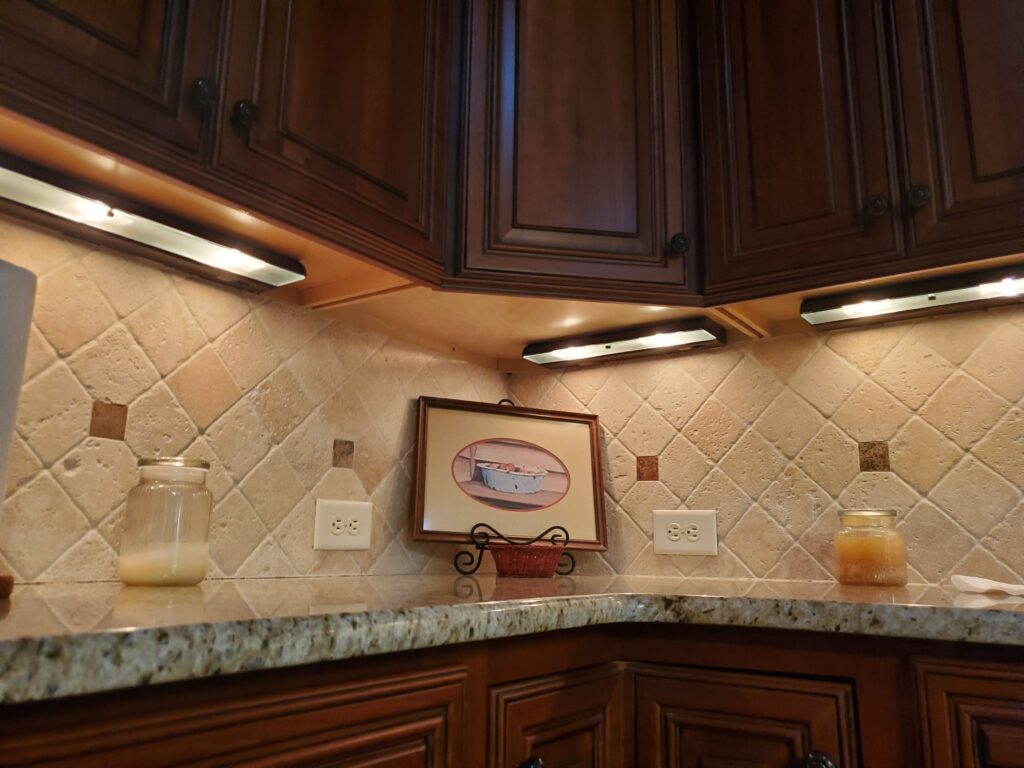
While your home might be “grandfathered” in under old codes, a home inspector will list the lack of GFCI protection as a safety hazard. It is a safety item, not just a code item. Buyers, especially those with young children, prioritize safety. Upgrading your kitchen, bath, and outdoor outlets to GFCI receptacles is a relatively low-cost improvement that yields high returns in buyer confidence. It eliminates a page of red ink from the inspection report.
Similarly, Arc Fault Circuit Interrupter (AFCI) protection is now required for most living areas in newer homes. These breakers prevent fires caused by arcing wires. While you may not be required to retrofit the entire house to current new-construction standards, ensuring that any recent renovations or additions are compliant is essential. If you finished your basement five years ago without a permit and did not install AFCI protection, that will be flagged. Proactively addressing these modern safety expectations shows that you are a responsible seller who cares about the quality of the home.
The 100-Amp vs. 200-Amp Question
Our lifestyles have become increasingly electric. We have central air conditioning, electric dryers, double ovens, hot tubs, and now, electric vehicles. A 100-amp electrical service, which was standard for decades, is often pushed to its limit by modern living. If a potential buyer pulls up in a Tesla, one of their first questions will be, “Can I charge my car here?”
If your home still has a 60-amp or 100-amp service, it might be perceived as underpowered. While it might technically function for your current needs, a buyer looking to the future will see a costly upgrade project looming. They might walk away in favor of a home that is already modernized.
An electrical inspection can evaluate the load on your current service. If your panel is maxed out with no room for new circuits, we can identify that limitation. Upgrading to a 200-amp service is a significant selling point. It tells the buyer that the home is ready for whatever they want to add, be it a workshop in the garage or a high-speed EV charger. If you choose not to upgrade, simply knowing the capacity limitations allows you to answer buyer questions honestly and accurately, rather than getting caught off guard.
Smoke and Carbon Monoxide Detectors
One of the simplest yet most critical parts of an inspection is checking the smoke and carbon monoxide detectors. In North Carolina, working smoke alarms are a mandatory requirement for rental properties and a critical safety expectation for sales. Detectors have a lifespan. Smoke alarms should generally be replaced every ten years, and carbon monoxide detectors every five to seven years.
Want to know how often you should have an electrical inspection? Click here for more information.
It is surprisingly common for us to inspect a home and find detectors that are yellowed with age, missing batteries, or removed entirely because they “kept chirping.” Selling a home without working life-safety equipment sends a terrible message. It suggests a disregard for basic safety.
During our pre-listing inspection, we verify that detectors are present in every required location—inside every bedroom, outside sleeping areas, and on every level of the home. We check the expiration dates on the units. Replacing old, yellowed detectors with fresh, white, 10-year sealed battery units is an inexpensive way to make the home look well-maintained and compliant. It is a small detail that provides a subconscious reassurance of safety to anyone walking through the door.
Negotiating from a Position of Strength
The ultimate goal of a pre-listing electrical inspection is leverage. In a real estate transaction, information is power. If you wait for the buyer’s inspection, you are reactive. You are defending against their findings, often under the pressure of a looming closing date. The buyer holds the cards because they have the “expert report” saying things are wrong.
When you inspect first, you are proactive. You know exactly what the issues are. You can fix the cheap and scary-looking things—like broken cover plates, loose outlets, and missing GFCIs—before the first open house. For larger issues, like an old panel or aluminum wiring, you can get a firm quote from us for the repair.
If a buyer tries to ask for a $5,000 credit to replace a panel that you know only costs $2,500 to replace, you can show them the estimate. You can say, “We have priced this out with a reputable local electrician, and here is the fair value.” You stop them from inflating the cost of repairs to lower the purchase price. You control the financial conversation. Alternatively, you can have the work done and market the home as “move-in ready” with warranties on the new electrical work, which often attracts a higher offer price that exceeds the cost of the repairs.
Selling a house is a complex dance of presentation, price, and paperwork. While you cannot control the market conditions or the interest rates, you can control the condition of the product you are selling. The electrical system is too important to leave to chance. It is the backbone of the home’s functionality and safety. Hidden electrical hazards are deal killers that create fear, delay closings, and cost sellers money in last-minute concessions.
By choosing to have a professional electrical inspection before you put the sign in the yard, you are making a strategic business decision. You are choosing transparency over surprise. You are choosing to fix small problems before they become big leverage points for a buyer. You are ensuring that the transaction proceeds smoothly and that the new owners inherit a safe, reliable home. Whether you need a simple safety check, a panel upgrade, or just peace of mind, Whiting Electrical Services in Greenville, NC, is here to help you maximize the value of your home. Call us today to schedule your pre-listing inspection and take the shock out of selling your house.