

When to Install an Electrical Subpanel
The modern home is an evolving entity. As technology advances, our demand for electrical power increases. We are adding more appliances, more entertainment systems, and more specialized equipment to our daily lives than ever before. In Greenville, homes that were wired twenty or thirty years ago are often struggling to keep up with the electrical load of a twenty-first-century lifestyle. The central hub of this electrical activity is the main breaker panel. It is the heart of your home’s electrical system, distributing power from the utility grid to every light, outlet, and appliance you own. However, like any physical container, it has a limit.
Homeowners often encounter a frustrating wall when they decide to make improvements to their property. You might want to install a hot tub, finish a basement, or build a workshop in the backyard, only to be told by an electrician that your panel is full. This does not necessarily mean you need to replace your entire electrical service. Often, the most efficient and strategic solution is the installation of an electrical subpanel. A subpanel acts as a satellite distribution point, expanding your home’s ability to manage circuits safely and effectively. Understanding when and why to install one is key to managing your home’s infrastructure and ensuring you have the room to grow.
Running Out of Breaker Space
The most common reason for installing a subpanel is simply running out of physical room in the main panel. Every breaker box is manufactured with a specific number of slots. Smaller homes or older service panels might only have twenty or twenty-four slots. Over the years, as dedicated circuits were added for microwaves, dishwashers, and air conditioners, those slots filled up. When you decide to add a new circuit for a renovation or a new appliance, you might open the panel door to find every single space occupied.

When faced with a full panel, some homeowners or handymen might try to use “tandem” or “cheater” breakers. These are thin breakers that allow two circuits to fit into a single slot. While these can be legal in certain panels, many older panels were not designed to accept them, and using them can be a code violation. Furthermore, stuffing a panel full of wires makes it difficult to work on and harder for heat to dissipate. An overcrowded panel is a messy and potentially dangerous situation.
A subpanel solves this physical constraint immediately. By installing a subpanel, we take one large breaker in the main panel—typically a 60-amp or 100-amp double-pole breaker—and run a heavy cable to the new subpanel. This new panel then provides anywhere from six to forty-two new slots for circuits. It effectively relieves the congestion in the main panel and provides ample space for current projects and future expansions without resorting to unsafe cramping tactics.
Renovations and Home Additions
When you are planning a major renovation, such as adding a master suite, building a sunroom, or finishing a basement, logistics become a significant factor. If your main panel is located in the garage on the opposite side of the house from your new addition, wiring becomes a challenge. Running fifteen or twenty individual wires across the entire length of the attic or through the crawlspace is labor-intensive, expensive, and creates a massive bundle of cabling that can be difficult to manage.
In this scenario, installing a subpanel in or near the new addition is a smart engineering choice. Instead of running dozens of small wires, we run one large “feeder” cable from the main panel to the subpanel location. From that new subpanel, we then run the short branch circuits to the outlets, lights, and switches in the new room. This saves a tremendous amount of copper wire, which reduces material costs.
It also reduces voltage drop. Electricity loses pressure as it travels over long distances. By running a large gauge feeder cable to the subpanel, we ensure that the power arrives at the new addition efficiently. Then, the shorter runs to the actual outlets ensure your lights are bright and your vacuum cleaners run at full power. It also adds convenience. If a breaker trips in your new second-story master suite, you can simply reset it at the subpanel in the hallway rather than walking all the way down to the garage or basement in the dark.
Powering Detached Garages and Workshops
Detached structures present a unique set of electrical requirements. If you have a detached garage, a shed, or a workshop in your backyard, you almost certainly need a subpanel. The National Electrical Code has strict rules about running power to separate buildings. You generally are allowed only one “feeder” to a detached structure. You cannot run three or four separate circuits from the main house to the shed underground.
Need an electrical subpanel upgrade? Click here for our electrical subpanel upgrade service.
Therefore, the standard practice is to install a subpanel in the detached building. This panel serves as the local control center for that structure. It allows you to have multiple circuits for lights, outlets, and tools. Crucially, it provides a main disconnect for the building. If there is an emergency in the workshop, you need to be able to cut the power right there without running back to the main house.
Powering a detached structure also involves specific grounding requirements. When we install a subpanel in a separate building, we must install a new grounding electrode system, typically involving driving ground rods into the earth near the structure. This protects the building from lightning and surges. A subpanel ensures that the detached structure is electrically independent and safe, isolating your power tools and heavy equipment from the sensitive electronics inside your main home.
accommodating High Power Loads
Certain modern upgrades require substantial amounts of electricity and occupy valuable “real estate” in your breaker box. Electric vehicle chargers, hot tubs, saunas, and tankless water heaters are prime examples. An EV charger, for instance, requires a double-pole breaker. If you have two electric cars, that is four slots gone. A tankless water heater might require three or four double-pole breakers, taking up six or eight slots instantly.
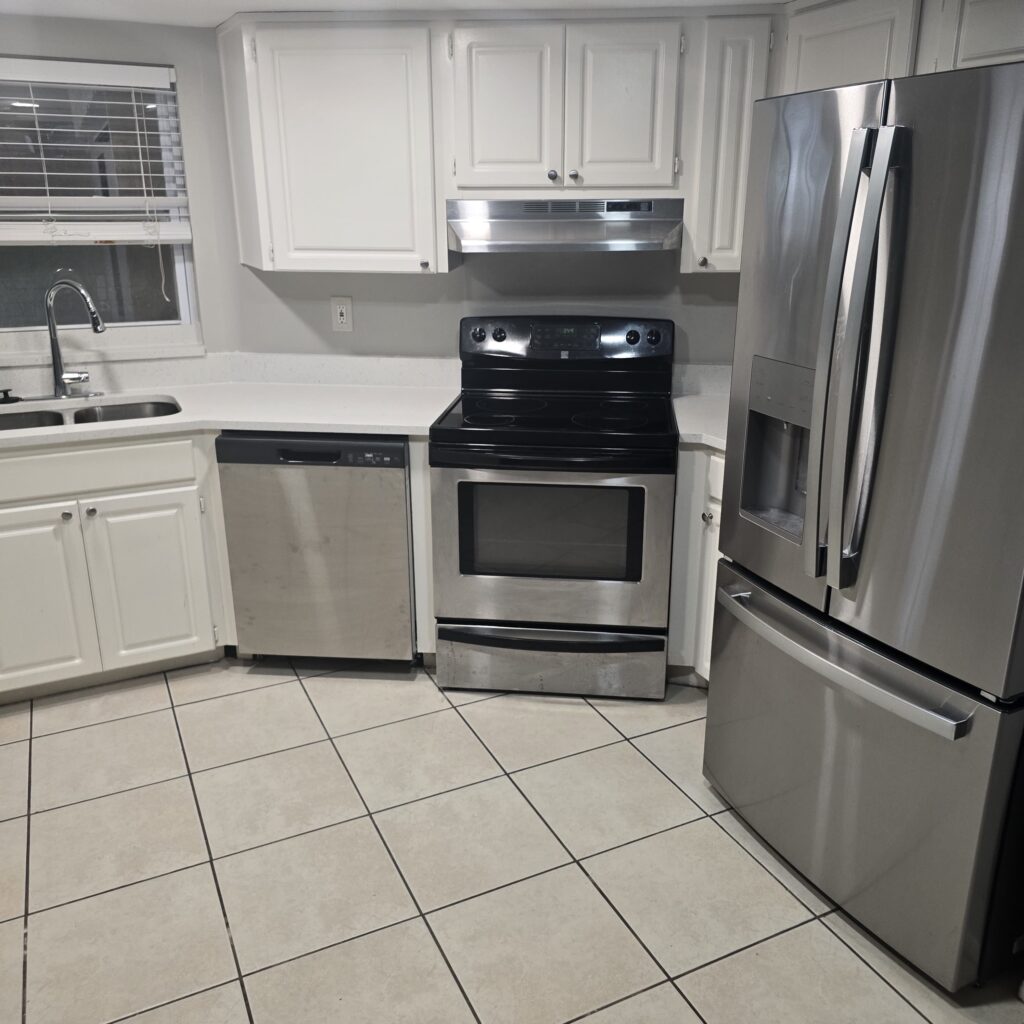
If your main panel is centrally located in a finished hallway, adding these heavy loads might be difficult due to wire routing. Installing a subpanel in a utility room, garage, or mechanical room allows you to cluster these high-load devices together. For example, a “garage subpanel” is a very popular upgrade in Greenville. We can install a 100-amp subpanel in the garage that is specifically dedicated to EV charging and heavy woodworking tools.
This segregation of loads has performance benefits as well. When a heavy motor or a welder starts up, it can cause a momentary dip in voltage that dims the lights. By putting these heavy industrial loads on a subpanel closer to the main service, you can isolate the disturbance somewhat from the lighting circuits in your living room. It keeps your main panel neat and reserved for the general household circuits while the subpanel handles the heavy lifting.
Efficiency and Clarity in Wiring
Over decades, homes tend to accumulate a “spaghetti bowl” of wiring. As different electricians and handymen add circuits over the years, the main panel can become a chaotic mess of crossed wires and tangles. This makes troubleshooting difficult and dangerous. If a breaker trips or an outlet fails, tracing the wire through a dense knot of cables is time-consuming.
Installing a subpanel is an excellent opportunity to organize your electrical system. We can migrate specific zones of the house to the subpanel. For example, we might move all the kitchen circuits to a subpanel, or all the outdoor lighting and landscape circuits. This logical grouping makes the system easier to understand. If the outdoor lights trip, you know exactly where to look.
This organization is also vital for safety. In a neat, well-organized panel, it is easy to see if a wire is loose or if there is discoloration indicating heat damage. In a crowded, messy panel, these warning signs are hidden behind layers of wire insulation. A subpanel relieves the density of the wiring, allowing for better airflow and easier visual inspections during maintenance.
Creating Zones for Generators
Standby generators are becoming increasingly popular in North Carolina due to storm activity. However, not everyone wants or can afford a generator large enough to power the entire home. Many homeowners opt for a smaller generator that powers only the essentials: the refrigerator, the well pump, a few lights, and the heating system.
Want to know the signs your panel needs an upgrade? Click here for more information.
A subpanel is the perfect tool for creating this “critical load” infrastructure. We can install a specialized subpanel often called a transfer switch or critical load panel. We move the circuits for the essential items from the main panel to this subpanel. When the power goes out, the generator kicks on and feeds only this specific subpanel.
This setup prevents the generator from being overloaded by non-essential items like the dryer or the electric oven. It ensures that your limited backup power is directed exactly where you need it. Even without a generator, grouping critical circuits in a subpanel can make it easier to add battery backup systems or solar integration in the future.
Understanding the Technical Differences
It is important to understand that a subpanel is wired differently than a main panel. This is a critical safety distinction that DIYers often get wrong. In your main service panel, the neutral wires (white) and the ground wires (bare copper or green) are bonded together. They connect to the same busbar. This bond is essential for the main service entrance.

However, in a subpanel, the neutrals and grounds must be strictly separated. The neutral busbar must be “floating,” meaning it is not connected to the metal cabinet of the panel. The ground wires connect to a separate bar that is bonded to the cabinet. If you connect neutrals and grounds together in a subpanel, you create parallel paths for return current. This means that electricity could flow through the metal conduit, the casing of the panel, or other metal parts of your home’s structure. This is a shock hazard and creates “objectionable current” that can mess with sensitive electronics.
Because of this requirement, running the feeder wire to a subpanel requires four wires: two hot wires, one neutral wire, and one ground wire. Older installations often used only three wires, which is now considered unsafe and code-non-compliant for most subpanel installations. When Whiting Electrical Services installs a subpanel, we ensure that this separation is maintained perfectly to protect your home from ground faults and shock hazards.
Voltage Drop and Distance Considerations
We touched on voltage drop earlier, but it deserves a deeper look regarding subpanels. If you have a large property in Greenville, perhaps with a gate opener at the end of a long driveway or a pool pump house in the far corner of the yard, distance is a major enemy. If you try to run a simple 20-amp circuit 300 feet to a gate, the voltage that arrives might only be 100 volts instead of 120 volts. This can burn out the motor of the gate opener.
A subpanel allows us to run high-voltage, heavy-gauge feeders effectively over long distances. We can size the feeder wire to account for the distance, ensuring that the subpanel receives the full voltage. Then, the local circuits from the subpanel are short and efficient. This is the only reliable way to power amenities that are far from the main footprint of the house.
An electrical subpanel is more than just a metal box full of switches. It is a strategic expansion of your home’s energy infrastructure. It provides the breathing room your electrical system needs to operate safely without overheating. It offers the flexibility to add modern luxuries like hot tubs, EVs, and additions without compromising the existing wiring. It solves the logistical headaches of powering detached garages and distant corners of your property.
Most importantly, a subpanel corrects the dangerous practice of overcrowding a main panel. It ensures that every circuit has its own dedicated space and that the flow of electricity is organized and logical. If you are staring at a breaker box that is packed to the brim, or if you are planning a project that requires new power, do not try to squeeze just one more wire into the mess. The solution is clear. Contact Whiting Electrical Services in Greenville, NC, to discuss installing a subpanel. Let us build a system that gives you the power you need with the safety you deserve.