



What to Expect When Installing a Hot Tub
A hot tub is one of the most exciting additions you can make to your home. It promises relaxation, therapeutic benefits, and a perfect venue for social gatherings. However, transforming that vision into reality involves more than just picking out a shell color and scheduling a delivery. The process of installing a hot tub is a significant construction project that requires careful planning, logistical coordination, and precise electrical work. Many homeowners in Greenville are surprised by the complexity of the requirements, particularly when it comes to powering these massive appliances. Understanding the road ahead can save you from unexpected costs, delays, and safety hazards.
This guide outlines the journey of hot tub installation from the initial groundwork to the final inspection. It is not just about plugging in a cord. It is about preparing your property to support thousands of pounds of water and ensuring your electrical system can safely handle a heavy, continuous load. By knowing what to expect, you can manage the project with confidence and ensure your new spa is safe, legal, and ready for years of enjoyment.
Preparing the Foundation and Site
The first reality check in hot tub ownership is the weight. A standard hot tub filled with water and occupants can easily weigh over five thousand pounds. Placing this amount of weight on soft ground or an unreinforced deck is a recipe for disaster. If the ground settles unevenly, it can crack the acrylic shell of the spa, voiding your warranty and destroying your investment. Therefore, the first step in your installation process happens long before the delivery truck arrives. You must prepare a solid, level, and permanent foundation.

Concrete is widely considered the gold standard for hot tub pads. A poured concrete slab that is at least four inches thick provides a stable and unmoving base that can handle the load without shifting. For homeowners in Greenville with existing concrete patios, you must verify the slab is level. If the slab is sloped for drainage, which is common, your hot tub will have water that is high on one side and low on the other. This can cause issues with the filtration system and is visually unappealing. If you do not have a concrete pad, you will need to hire a contractor to pour one or prepare a specialized spa pad foundation using compacted gravel and reinforced pavers.
Placement is another critical decision. You might visualize the hot tub in a secluded corner of the yard, but you need to consider the practicalities of electricity and maintenance. The National Electrical Code dictates specific distances for electrical outlets and disconnect switches. Placing the tub too far from your main electrical panel will significantly increase the cost of the wire run. You also need to ensure there is access to the equipment panel on the side of the spa. If you build a deck tightly around the tub or place it against a wall, you may make it impossible for a technician to service the pumps or heater in the future.
The Logistics of Delivery Day
Getting the hot tub from the dealership to your backyard is often the most physically challenging part of the project. Hot tubs are large, bulky, and incredibly heavy. They are not items that can be simply carried through a gate by two people. Standard delivery usually involves a specialized spa dolly. This is a heavy duty trailer that allows the delivery crew to roll the spa on its side. However, this method requires a clear, wide path from the street to the final location. You need to measure the width of your gates, the height of your eaves, and check for any obstacles like air conditioning units or gas meters that might block the path.
Need your hot tub wired before winter? Click here for our hot tub wiring service.
If your backyard is fenced in with no wide gate, or if the path is blocked by steep terrain or stairs, you may need to hire a crane. A crane delivery involves lifting the hot tub over your house or garage and lowering it precisely onto the pad. While this sounds dramatic, it is a common and safe procedure when handled by professionals. It does, however, add a significant cost to the installation. You need to coordinate this carefully with the delivery company and the crane operator to ensure the street is clear and the reach is calculated correctly.
Once the tub is placed, do not fill it with water immediately. This is a common mistake. The electrical connection must be completed and inspected before the tub is filled. If you fill it first, you risk water freezing in the lines during winter installs, or you might find that the tub needs to be moved slightly to accommodate the electrical conduit. The tub should remain empty until the electrician gives the green light that the power is safe and ready to be turned on.
The Electrical Load and Panel Capacity
The electrical component of a hot tub installation is where safety is paramount. A hot tub is likely the largest electrical appliance you will ever add to your home. Most full sized, hardwired hot tubs require a dedicated 240 volt circuit protected by a 50 amp or 60 amp breaker. This is a massive amount of power. To put it in perspective, it is similar to running a second electric range or a large central air conditioning unit.
Before you purchase a spa, you need to know if your home can handle this additional load. Many older homes in Greenville were built with 100 amp or 150 amp electrical panels. If you already have central air, an electric water heater, and other modern appliances, your panel might already be near its maximum capacity. Adding a 50 amp load to a maxed out panel can be dangerous. It can cause your main breaker to trip, cutting power to your entire house, or it can overheat the main busbar in your panel, creating a fire hazard.

Whiting Electrical Services performs a load calculation as the first step of any hot tub installation. We do the math to see exactly how much power your home uses during peak times. If your panel does not have the capacity, we may need to perform a heavy up or panel upgrade to 200 amps. This ensures you have plenty of power for the hot tub and any future additions, like an EV charger or a kitchen remodel. Attempting to squeeze a hot tub onto an insufficient service is a code violation and a safety risk that no professional electrician will take.
The Mandatory Disconnect Switch
One of the most visible parts of the electrical installation is the manual disconnect switch. The National Electrical Code is very strict about this device. It is a safety switch that allows a user or service technician to instantly cut off power to the hot tub in an emergency or for maintenance. The code requires this switch to be located within sight of the hot tub. This means you must be able to see the switch while you are standing in the water or working on the motor.
There are also strict distance requirements. The disconnect must be readily accessible and located at least five feet away from the water’s edge but no more than fifty feet away. The five foot rule is there to prevent someone from touching the high voltage switch while they are inside the tub, which would be an electrocution hazard. Finding the right spot for this box is a balance of safety, code compliance, and aesthetics. We often mount it on a nearby wall of the house, a fence post, or a standalone post driven into the ground.
This disconnect box is also where the GFCI protection is often located. A Ground Fault Circuit Interrupter is a non negotiable safety requirement for hot tubs. It monitors the current flowing to the spa. If it detects even a tiny variance, indicating that electricity is leaking into the water or through a person, it cuts the power in a fraction of a second. This device saves lives. We ensure that the GFCI installed is correctly rated for your specific spa and is weather resistant to withstand the humid Greenville summers and rainy winters.
Wiring and Conduit Installation
The wiring that runs from your main electrical panel to the disconnect switch and then to the hot tub itself must be protected from the elements. We do not use standard indoor Romex wire for this. Instead, we use individual THHN or THWN conductors pulled through a protective conduit. This wiring method is robust, water resistant, and protects the copper conductors from physical damage.
The run from the disconnect switch to the hot tub is typically done with liquid tight flexible conduit. This flexible “whip” allows for some vibration and movement from the hot tub motor without stressing the connections. It also makes it easier to route the wires into the tight equipment bay of the spa. The connection inside the spa’s control pack is critical. Loose connections here are a common cause of board failure and fires. We torque every screw to the manufacturer’s specifications to ensure a solid, long lasting connection.
Want to know why electrical maintenance is good in autumn? Click here for more information.
Grounding and bonding are two other critical aspects of the wiring process. Grounding provides a path for excess electricity to return safely to the earth. Bonding is different. It connects all the metal parts around the hot tub, such as the motor casing, the heater housing, and any metal handrails or nearby fences, to a common grid. This creates an “equipotential plane,” ensuring that there is no difference in voltage between the water, the tub, and the ground you stand on. Without proper bonding, you could feel a stinging shock when you touch a metal handle or step out of the tub.
Inspection and Startup
Once the heavy lifting and wiring are done, the job is not finished until it has been inspected. In Greenville and the surrounding areas, electrical work for a hot tub requires a permit. This is for your protection. A city or county inspector will come to your home to verify that the work meets the National Electrical Code. They will check the wire size, the burial depth of any underground conduit, the placement of the disconnect, and the function of the GFCI breaker.
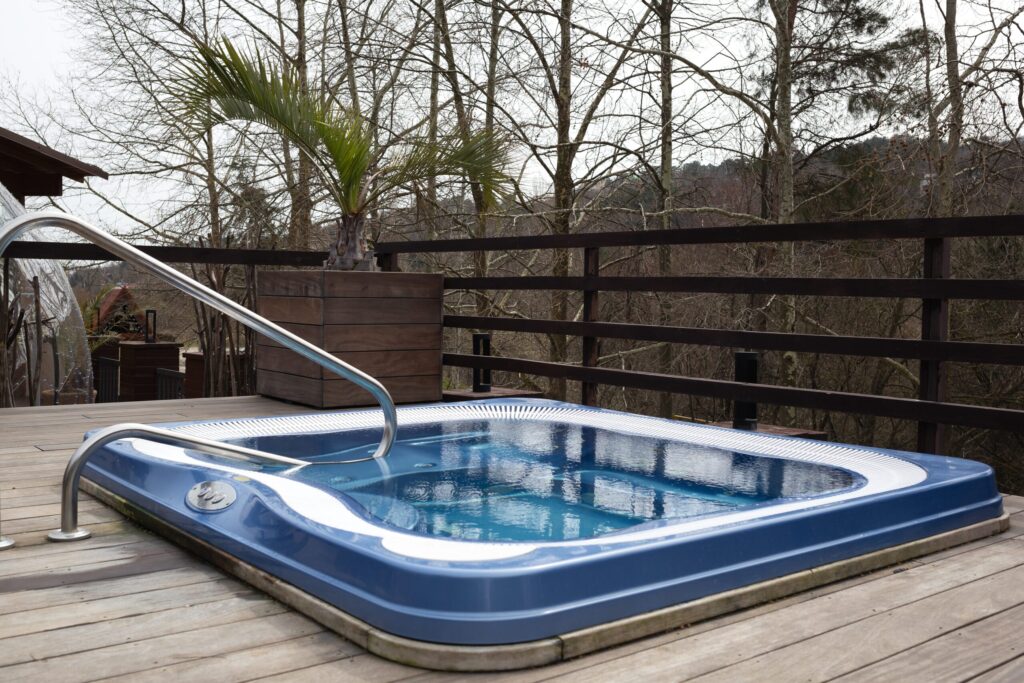
Passing this inspection is essential for your homeowner’s insurance. If an unpermitted electrical installation causes a fire or injury, your insurance company may deny your claim. Whiting Electrical Services handles the permitting process for you. We schedule the inspection and stand by our work to ensure it passes without issue.
Only after the inspection is complete and the green tag is signed should you fill the hot tub with water. Once the water level is at the recommended height, usually covering the highest jets, we can turn on the power. We test the GFCI button to prove it works. We then check the pumps, the heater, and the control panel to ensure everything is operating correctly. We will check the voltage at the spa to make sure there is no voltage drop that could damage your expensive new equipment.
Installing a hot tub is a major project that transforms your backyard into a private oasis. While the process involves heavy equipment, complex electrical codes, and mandatory inspections, the result is well worth the effort. The key to a smooth installation is recognizing that this is not a DIY job. It requires the expertise of professionals who understand the specific demands of high voltage equipment near water.
By planning ahead for the foundation, understanding the electrical needs of your home, and hiring a licensed team to handle the wiring and permits, you protect your investment and your family. You ensure that when you step into that warm water for the first time, the only thing on your mind is relaxation. If you are ready to add a hot tub to your Greenville home, contact Whiting Electrical Services to ensure your power is safe, sufficient, and ready for the fun.